


KANDAI
HEADLINES
- GLOBAL
An OB-GYN who supports women throughout their lives
After a career in international cooperation, she became a doctor at 37
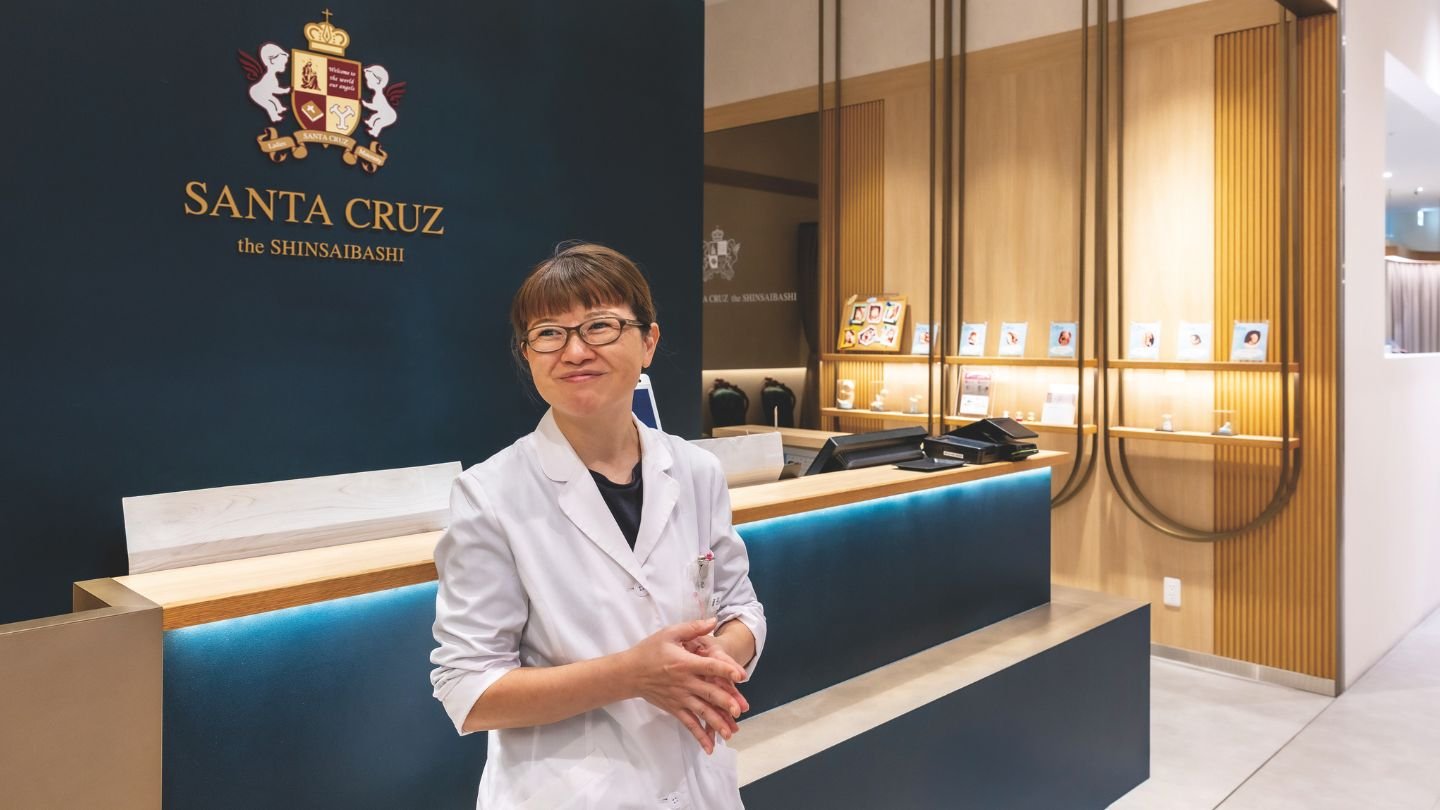
/Director, Ladies Clinic Santa Cruz The Shinsaibash
Yuu Fujita
Graduated from the Faculty of Informatics in 1998
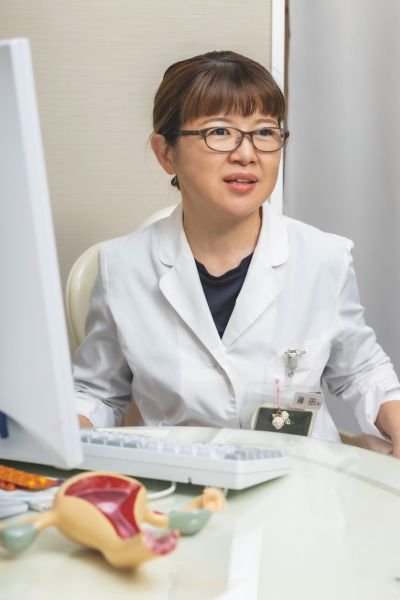
After graduating from college, Yuu Fujita took part in various international cooperation activities, including serving as a Japan Overseas Cooperation Volunteer in Africa, before earning an EU medical license at the Faculty of Medicine of the University of Debrecen in Hungary. She now serves as director of an obstetrics and gynecology clinic in Osaka while also traveling across Japan to deliver a series of "Gynecology Talk Seminars." What drives this dynamic life shaped by such diverse experiences?
A passion for medicine sparked during her work in Africa
Yuu studied in Indiana, U.S.A., during high school, making use of her strong English skills. After returning to Japan, she overcame a highly competitive entrance rate of 58 applicants per seat to gain admission to the newly established Faculty of Informatics at Kansai University, which attracted her with the prospect of studying information and communication. While enjoying student life, including by studying information science and media production and serving as executive committee chair of the faculty's festival, she never lost sight of her goal of joining the Japan Overseas Cooperation Volunteers. Exposure to international news since childhood had inspired her desire to work in developing countries.
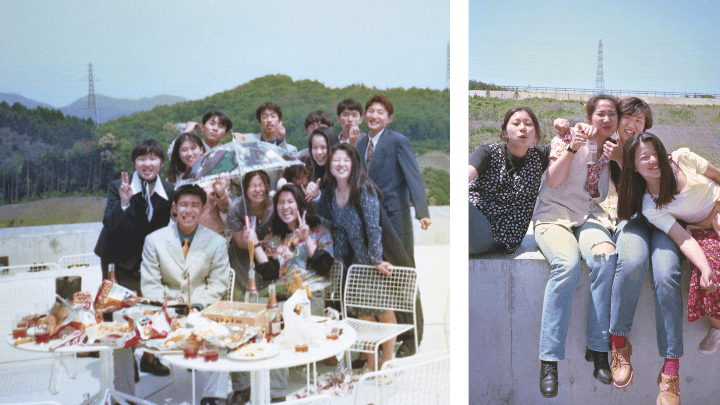

Yuu served as executive committee chair of the Faculty of Informatics festival.
A seminar advisor introduced her to the concept of folk media, which views locally rooted communication methods as a form of media. This idea proved valuable during her assignment in Niger after graduation.
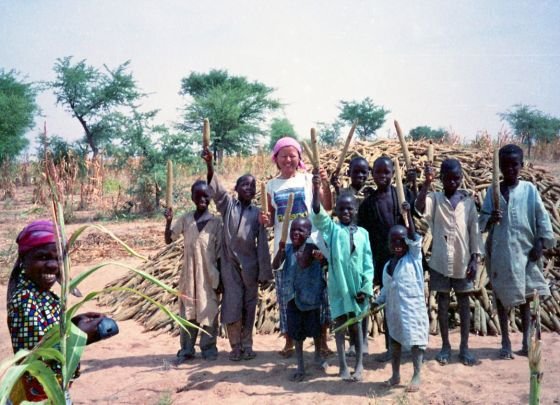
There, she worked on eradicating Guinea worm disease by using audiovisual education methods to enhance learning by stimulating sight and hearing. "In remote areas without electricity, and before digital cameras were available, I had to explore what methods, for example picture storytelling or theater, would be most effective for fostering learning about hygiene and preventing infectious disease. What I learned in college really helped."
During her time in Niger, she encountered many diseases she had never seen before. "I was shocked at how easily people could die." The mortality rate among young pregnant women was high, and some died during childbirth. Witnessing women living on the edge of life and death made her painfully aware of her own lack of medical knowledge. It was then that her desire to work in medicine began to take shape.
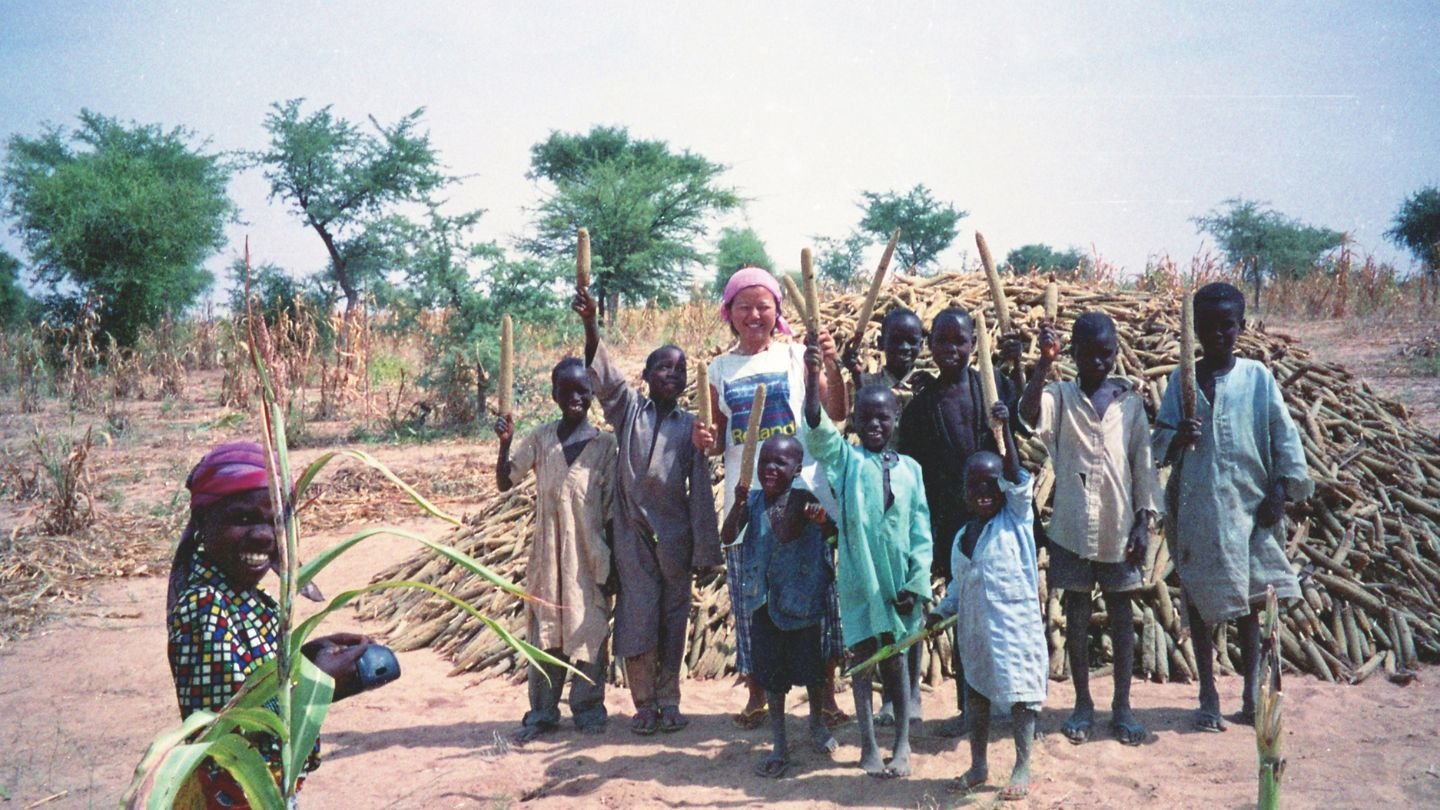
The powerful conviction: "I will become a doctor"
For nearly 10 years after completing her volunteer service, Yuu worked in international cooperation, including with the Japan International Cooperation Agency (JICA). One of her goals was to save money for medical school, and she never forgot her desire to become a doctor as soon as possible.
At the age of 32, she finally entered medical school, choosing the University of Debrecen in Hungary for its lower tuition and her intention to work abroad after graduation.
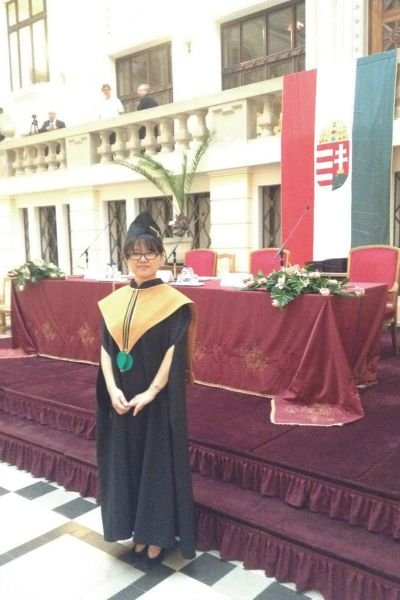
One of the toughest challenges was the oral exams, which do not exist in Japan. "You draw a topic from about 100 cards, then answer rapid-fire questions from professors on the spot. If you can't respond immediately, you fail. This continued for six years, and it was mentally exhausting." Most classmates were about 15 years younger, and she often struggled financially, sometimes eating bowls of white rice sprinkled with salt. Even now, looking back on the trying conditions, she exclaims, "I never want to go back to those six years."
What sustained her during those lonely, difficult times was her strong conviction. "For better or worse, my belief was stronger than anyone else's. Rather than 'I want to become a doctor,' I believed 'I will become a doctor.'"
Driven by that sense of conviction, she immersed herself in her studies, graduated without delay, and obtained a European medical license. Although she initially planned to work abroad, repeated questions such as "What is Japanese healthcare like?" made her realize she needed to understand her own country's system. She decided to return to Japan.

Applying what she learned at Kansai University to support women in Japan
Upon returning, she was struck by the reality that many women in Japan endure their health issues. "Women's life stages change dynamically, from puberty and menstrual pain to pregnancy and childbirth, and later menopause. Yet I realized that many women in Japan are expected to endure things at every stage, which made me feel a sense of frustration, almost anger. I wondered if there was something I could do, and after my initial training, I chose obstetrics and gynecology."
After starting work, she further felt that many women who visited the clinic had limited knowledge about what happens to their bodies and about prevention. However, Yuu believes the issue is not that they "don't know," but that they "have not been told."
"Menstrual pain management, HPV vaccines, sexually transmitted infections, and emergency contraceptive pills--these are important topics, yet they are hardly taught in schools.And only those who feel unwell come to the clinic. So I thought, I should go out and talk to people myself!"
Since 2021, she has actively traveled from Hokkaido to Kyushu under the banner of "Gynecology Talk Seminars." Believing that visualization is key to deepening understanding, she creates her own slides to spark interest.
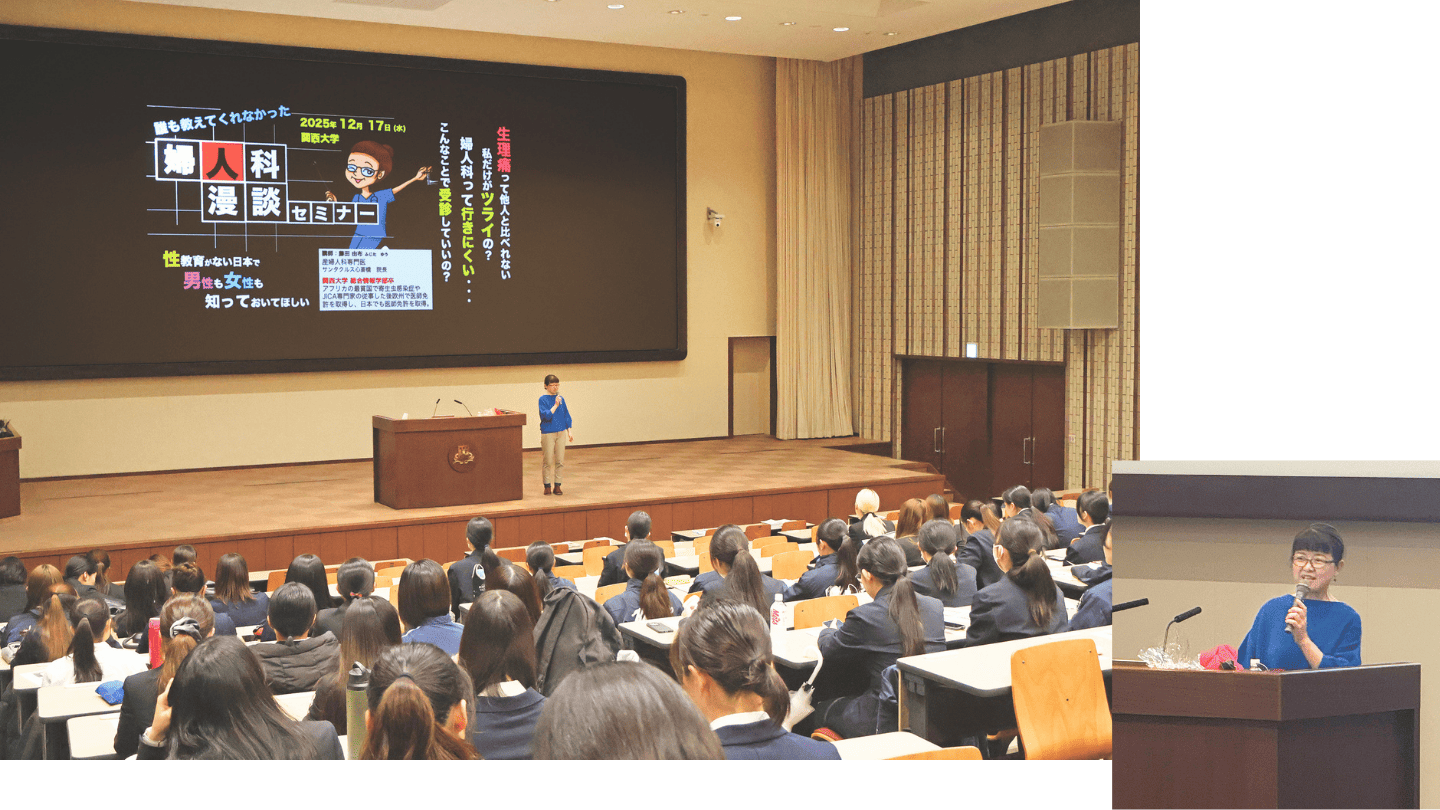
The seminars have been well received, exceeding 150 sessions, and she's now planning ways to reach even more people through short-form videos suited to current trends."Being able to create my own seminar slides and even think of producing videos is surely thanks to the far-ranging expertise I gained in informatics at Kansai University. Among the roughly 10,000 OB-GYNs in Japan, I might be the only one who comes up with ideas like this," she said, laughing.
Various experiences are reflected in her current medical practice
When she thinks about her initial, and future, goal of practicing medicine overseas, she often recalls Niger. Fluent in three languages besides her native tongue, her favorite proverb in Hausa, the language of Niger, is "Rigakafi ya fi magani" ("prevention is better than cure"). Having earned a master's degree in Health Promotion from the University of London, she has knowledge of prevention and considers her ability to engage in both preventive and clinical medicine to be one of her strengths.
"My experiences in Africa, my various international cooperation activities, and what I learned at Kansai University may seem like a long detour, but seeing many different worlds has enriched my life and continues to inform my medical practice today."
She also wishes to share with students the words of Dr. Osamu Kunii, which supported her during her difficult years in medical school. "A person's dream is best when it is simple and pure. The stronger your conviction, the greater your power to move others. Every life has some form of constraint or limitation, but it is often within those limits that we learn the most. Taking detours can reveal different worlds and bring more enjoyment and depth to life." In Yuu's journey, not a single step was wasted.
She also wishes to share with students the words of Dr. Osamu Kunii, which supported her during her difficult years in medical school. "A person's dream is best when it is simple and pure. The stronger your conviction, the greater your power to move others. Every life has some form of constraint or limitation, but it is often within those limits that we learn the most. Taking detours can reveal different worlds and bring more enjoyment and depth to life." In Yuu's journey, not a single step was wasted.
- Yuu Fujita
- Yuu was born in Osaka Prefecture. She graduated from the Faculty of Informatics at Kansai University in 1998. After graduating, she worked in Niger, Africa, as a Japan Overseas Cooperation Volunteer, focusing on infectious disease prevention. While engaged in international cooperation work with organizations such as JICA, she earned a master's degree in Health Promotion from the University of London. She obtained an EU medical license at the University of Debrecen in Hungary and, after returning to Japan, also obtained a Japanese medical license, becoming an obstetrician-gynecologist. She currently serves as director of Ladies Clinic Santa Cruz The Shinsaibashi.
Related articles
-
An OB-GYN who supports women throughout their lives...
GLOBAL
-
Captivated by the beautiful, musical sound of Japanese...
GLOBAL
-
Exploring Various Phenomena in International Politics Through the...
GLOBAL
-
From Switzerland to Japan. A 20-year career. Delivering Brand Str...
GLOBAL
-
Serving as a Bridge between Japan and My Home Country ―Emmanuel N...
GLOBAL
-
Aiming to Form a Bridge between Africa and Japan...
GLOBAL
- TOP
- About Kansai University
- Public Relations
- List of Headlines
- Headline Article