Research - Faculty of Engineering Science

Cutting-edge research across five departments

Research Introduction

Engineering Science Research

Faculty of Engineering Science
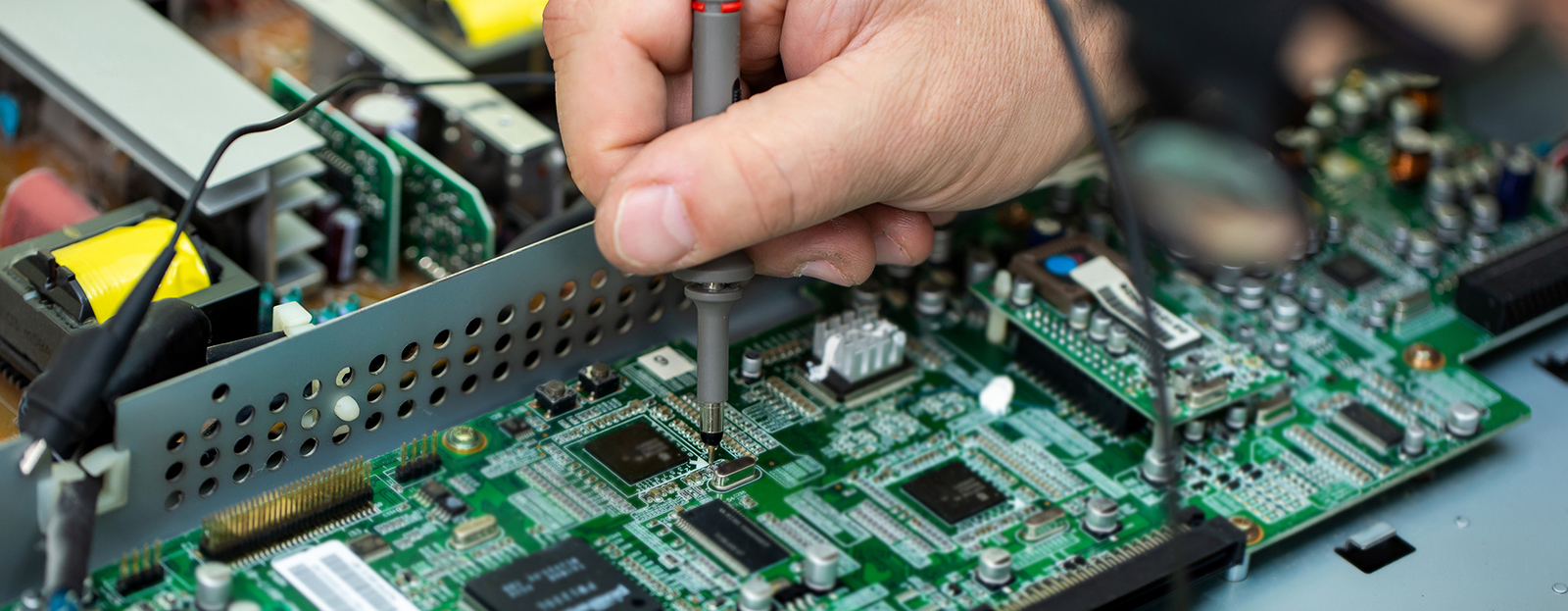
Faculty of Engineering Science

Research Introduction

Cutting-Edge Research

Introducing cutting-edge research conducted across the five departments of the Faculty of Engineering Science, along with voices from students actively engaged in research.
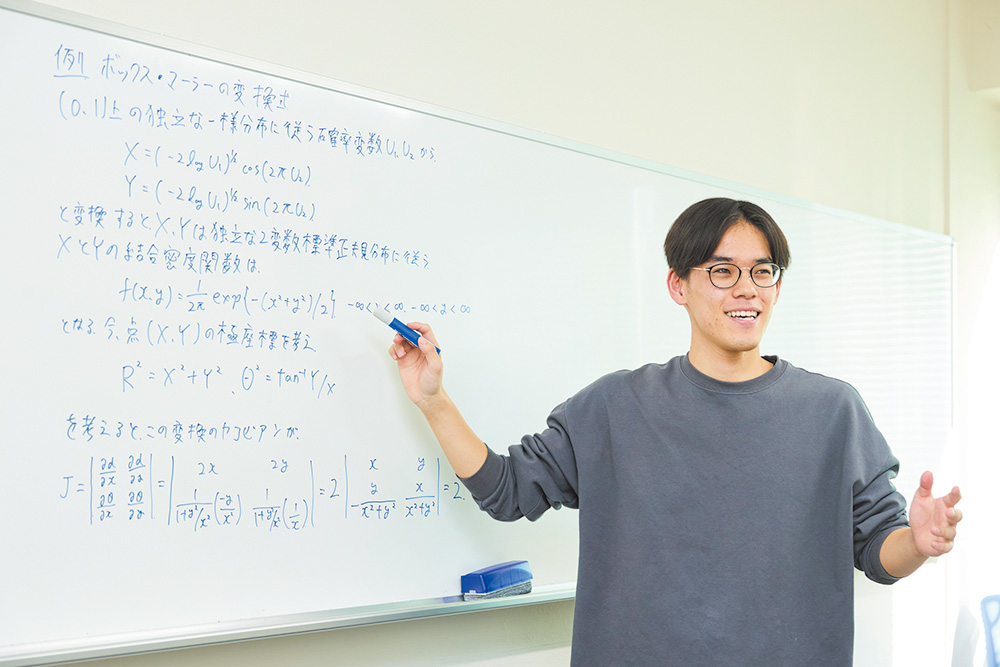
Mathematics

MATHEMATICS

Mathematical Models of Probability
Using Monte Carlo Methods

Research on mathematical models related to "probability," such as dice outcomes from 1 to 6. Particularly studying the "Monte Carlo method" for numerically calculating "expected values," and challenging applied research to consider various issues arising when implementing them as programs and their solutions.

Probability Theory Monte Carlo Method Numerical Calculation Programming
Department of Mathematics, Graduated March 2025
Kosuke Miyahara
Q. What are you working on in your special research?
I am studying mathematical models related to "probability," such as dice outcomes from 1 to 6. In particular, I am researching the "Monte Carlo method" for numerically calculating "expected values." I am also challenging applied research to consider various issues arising when implementing them as programs and their solutions.
Q. What are your research prospects?
While working on themes considered difficult even in university mathematics, I acquired the attitude of carefully reading literature, organizing thoughts, and seeking solutions. After graduation, I will work as a programmer, so I want to utilize the "mathematical thinking ability" acquired at university.
See more about Mathematics

PHYSICS & APPLIED PHYSICS

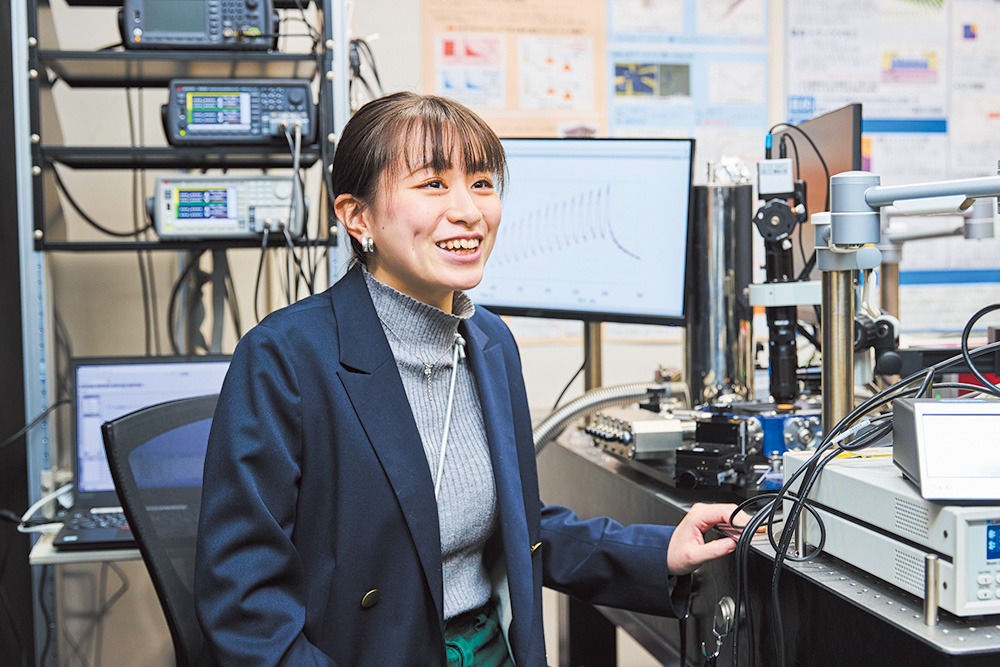
Development of Optical Synaptic Devices
Technology Mimicking the Human Brain

Developing "optical synaptic devices" that mimic the mechanism by which humans learn and memorize from visual information. The goal is to provide functionality that changes the ease of memory based on the repetition and strength of information, just like the human brain. Using "two-dimensional materials" with only a few atomic layers thick as materials.

Optical Synaptic Devices Two-Dimensional Materials Machine Learning Energy Saving
Graduate School, Division of Engineering Science, 2nd Year
Hitomi Kanatani
Q. What are you working on in your special research?
I am developing "optical synaptic devices" that mimic the mechanism by which humans learn and memorize from visual information. The goal is to provide functionality that changes the ease of memory based on the repetition and strength of information, just like the human brain. The material uses "two-dimensional materials" obtained by "peeling" layered crystals, which are only a few atomic layers thick.
Q. What are your research prospects?
We have succeeded in developing a device where repeated input of optical signals makes current flow easier, improving information transmission. Currently designing a device that conversely makes current flow more difficult upon signal input, suppressing information transmission. I want to realize machine learning with lower power consumption by applying this research.
See more about Physics & Applied Physics
Physics & Applied Physics
Mechanical Engineering

MECHANICAL ENGINEERING

Research on Fatigue Properties of Metal Materials
Toward Safe Mechanical Component Development

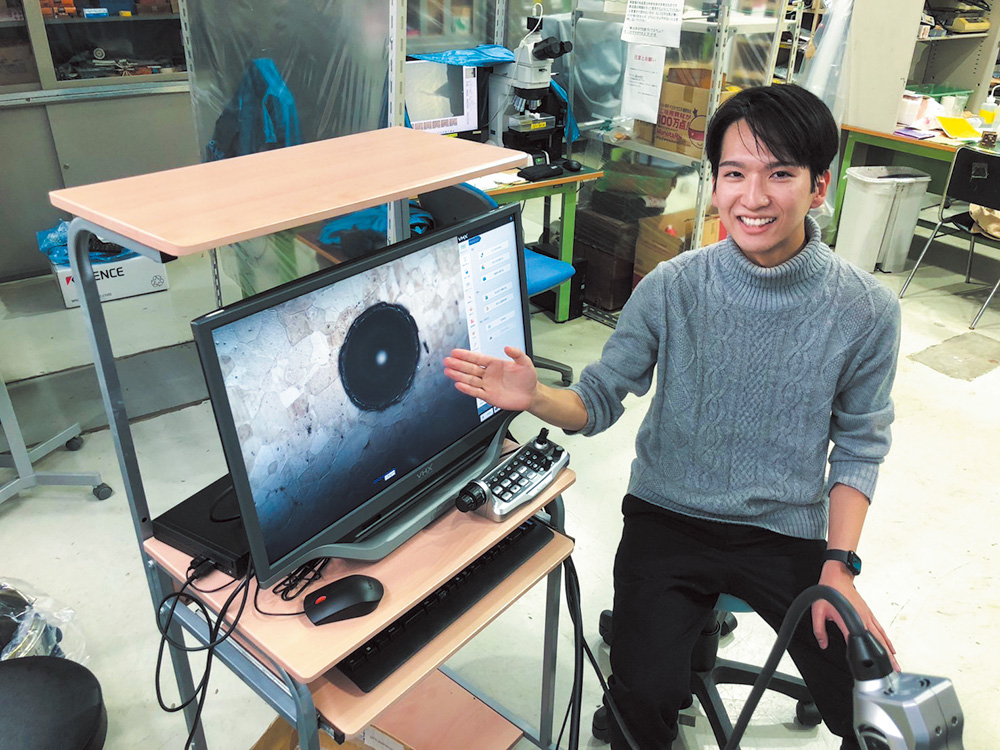
Most causes of failure in mechanical parts subjected to repeated loads are due to metal fatigue. Working on elucidating fatigue mechanisms by identifying the fatigue life of metal materials and observing microscopic damage (cracks) generated in fatigue tests under a microscope. Experiment-based research contributing to improving machine safety.

Metal Fatigue Fatigue Life Crack Observation Materials Engineering
Graduate School, Master's Program 2nd Year
Ryo Nakata
Q. What are you working on in your special research?
I am conducting experiment-based research on fatigue properties of metal materials. Most causes of failure in mechanical parts subjected to repeated loads are metal fatigue. I am working on elucidating fatigue mechanisms by identifying the fatigue life of metal materials and observing microscopic damage (cracks) generated in fatigue tests under a microscope.
Q. What are your research prospects?
Since various materials are used in machines, there are many unclear points in the fatigue fracture mechanism. The materials handled in research are often special, and various challenges are faced in test preparation and subsequent analysis. By utilizing a wide range of mechanical engineering knowledge learned so far to tackle challenges, I acquired qualities as an engineer.
See more about Mechanical Engineering

ELECTRICAL & ELECTRONIC ENGINEERING

Cognitive Bias and Story Generation
Understanding Human Cognition with AI

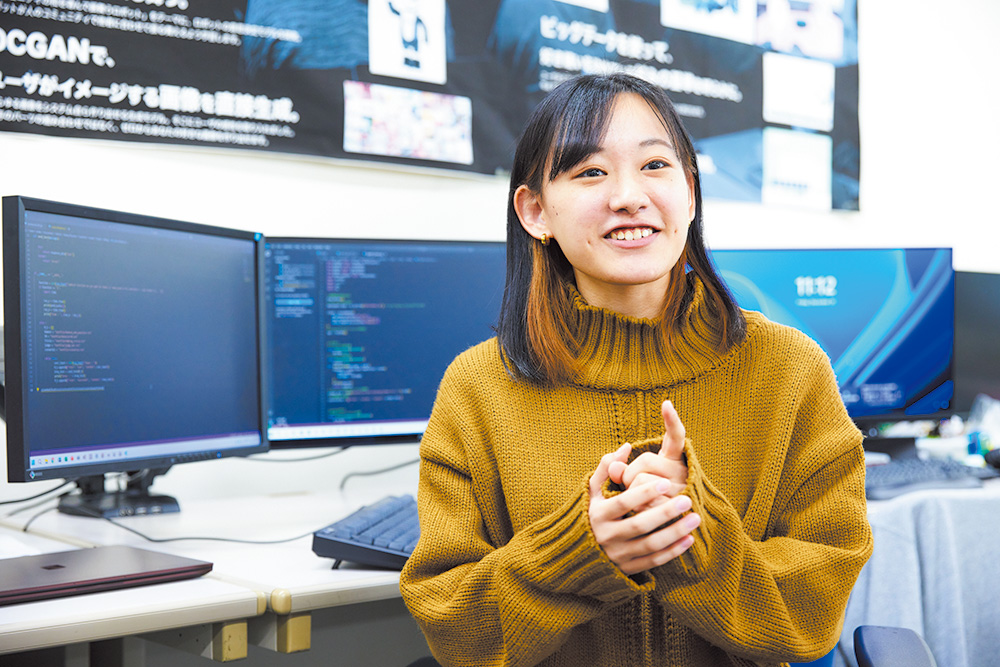
Researching differences in how people perceive events. Verifying through limited-condition simulations the mechanism by which the same event produces different impressions and stories due to cognitive bias. Aiming to develop human-AI communication technology by verbalizing with generative AI and verifying story differences.

Cognitive Bias Generative AI Simulation Dialogue Systems
Graduate School, Master's Program 1st Year
Sae Yamanaka
Q. What are you working on in your special research?
I am researching differences in how people perceive events. For example, among volleyball spectators, fans supporting a team may be disappointed by their team's mistakes, while fans supporting the opposing team might rejoice at the same mistakes. I am verifying through limited-condition simulations the mechanism by which the same event produces different impressions and stories due to cognitive bias.
Q. What are your research prospects?
Currently verbalizing numerical differences extracted from simulations with generative AI and verifying story differences. In graduate research, I plan to conduct research on how stories change when people with different stories converse, and what kind of conversation is necessary to cause intended changes.
See more about Electrical & Electronic Engineering
Electrical & Electronic Engineering
Green Electronics

GREEN ELECTRONICS

Department of Green Electronics
Opening April 2026 (Planned)

A new department learning electronic technology in harmony with the environment. Cultivating engineers who can work at the forefront of green technology, including energy-saving technology, renewable energy, and environmentally friendly electronic materials. Research laboratory information will be updated sequentially after opening.

Solar Cells Energy-Saving Devices Environmental Materials Sustainable Technology
See more about Green Electronics