
2026.03.31Advanced Programs
Kansai University 'SDGs and Sustainability in Malaysia' Blended Mobility Program Returns for Its Third Year
In February and March 2026, Kansai University (KU), Universiti Kebangsaan Malaysia (UKM), and the University of North Carolina at Chapel Hill (UNC) once again joined forces to deliver the Blended Mobility program, "Innovative Solutions: SDGs and Sustainability in Malaysia." This marked the second collaboration between KU and UNC on the program and the third consecutive year that Kansai University has brought students to Malaysia for this immersive international learning experience.
The program brought together 15 KU students, 13 UNC students, and a dedicated team of UKM student volunteers for a transformative experience that combined cultural immersion, academic learning, and leadership development. During 12 days in Malaysia, participants engaged in interactive sessions on multiculturalism, leadership, and sustainability while working in diverse teams on projects that emphasized cross-cultural collaboration and innovative solutions to sustainability challenges aligned with the Sustainable Development Goals.
Online Phase: COIL
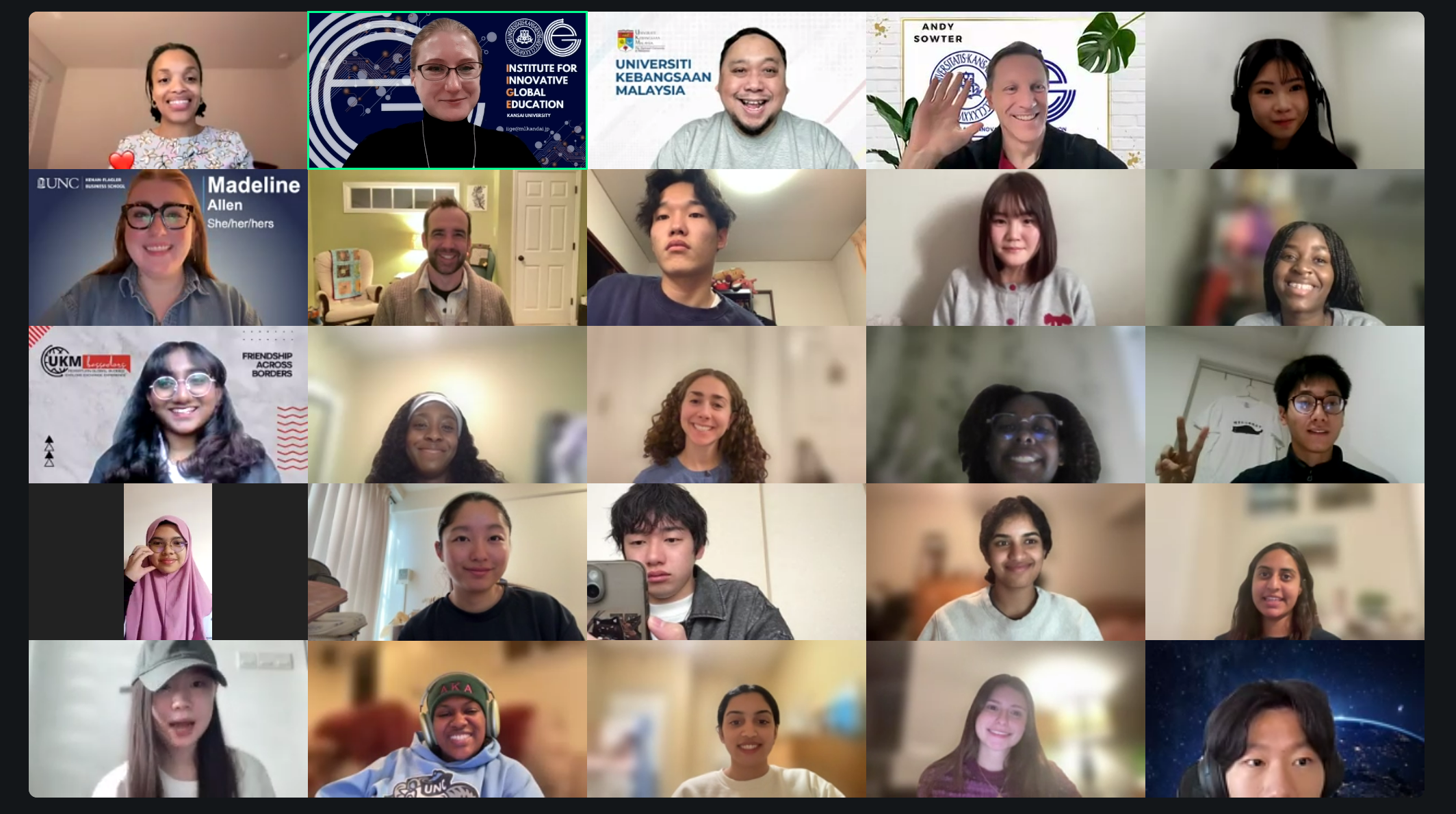
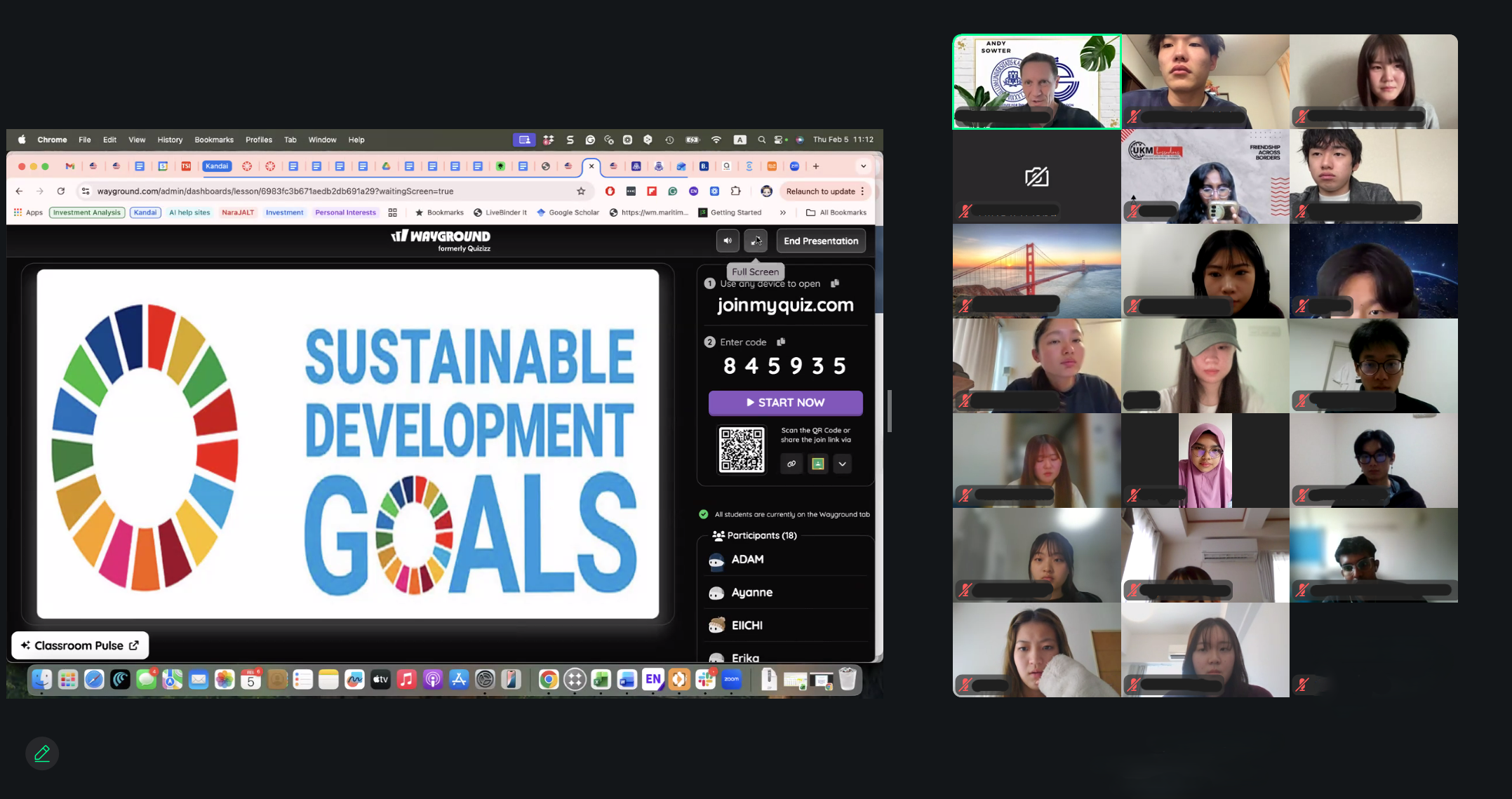
The program commenced with a four-week Collaborative Online International Learning (COIL) component, bringing together students from KU, UKM, and UNC before their arrival in Malaysia. Through a series of interactive online sessions, participants explored topics related to Malaysian culture, society, sustainability, and intercultural communication while getting to know their international teammates. The sessions, facilitated by Assoc. Prof. Andrew Sowter (KU), Assoc. Prof. Dr. Abdul Latiff Ahmad (UKM), and Assistant Prof. Dr. Kimberley Williams (UNC), provided both academic preparation and opportunities for meaningful cross-cultural exchange.
During the COIL phase, students also began developing their final on-site group projects. Working in international teams, they selected sustainability-related themes, conducted preliminary research, and created a general project framework that would guide their fieldwork in Malaysia. This early collaboration allowed participants to establish strong working relationships and arrive in Malaysia ready to deepen their research through hands-on learning and local engagement.
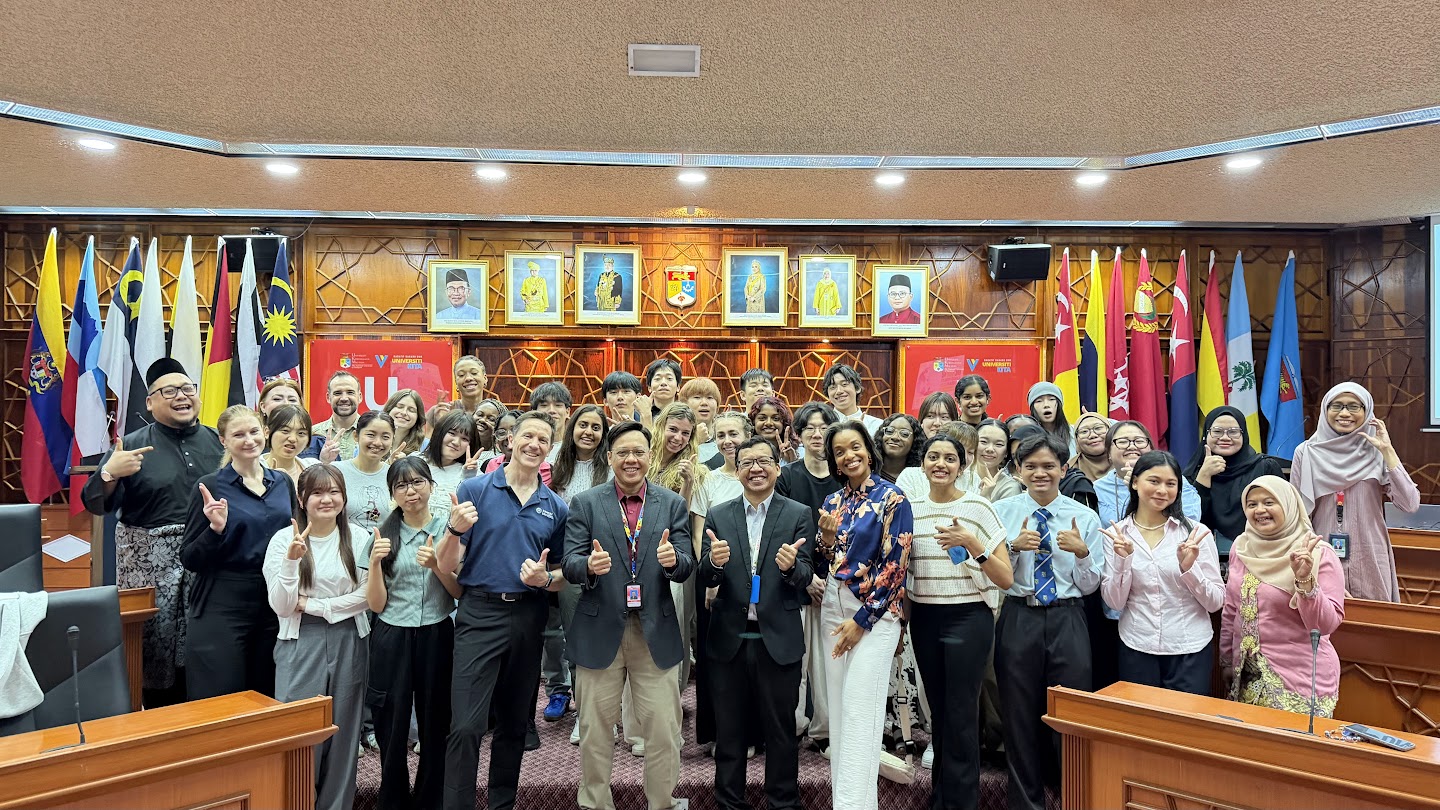
In early March the on site part of the Blended Mobility program began. Upon arriving in Malaysia, the KU students led by Assoc. Prof. Andrew Sowter and Program Coordinator Mariya Byvakina and the UNC students led by Dr. Kimberley Williams, engaged in a wide array of educational, research and cultural activities.
Workshops
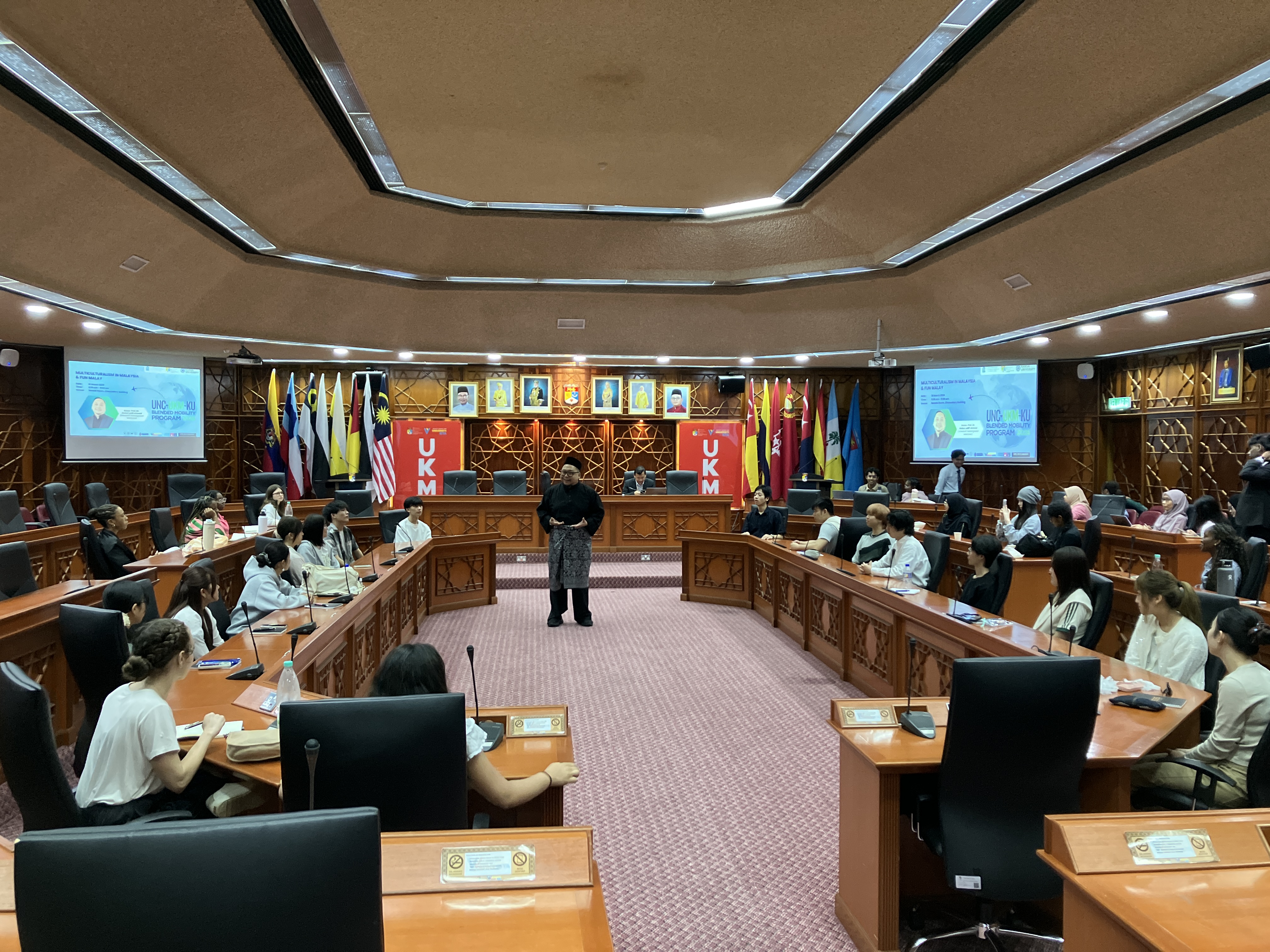
The on-site component featured a series of workshops and guest lectures designed to deepen students’ understanding of Malaysia’s multicultural society and sustainable development efforts. The program began with a session on Multiculturalism in Malaysia, which introduced participants to Malaysia’s diverse cultural landscape while providing basic Malay language skills to help them engage more confidently with local communities during their stay.
The academic program then explored sustainability from both policy and industry perspectives. Students examined Malaysia's commitment to Sustainable Development Goal 11 (Sustainable Cities and Communities) and learned how renewable energy initiatives are helping to empower local communities through presentations by university academics and industry professionals. Alongside these sessions, workshops on storytelling and presentation skills equipped students with effective techniques for communicating their research and preparing their final group presentations. Together, these activities strengthened participants' understanding of sustainability challenges while developing the communication and collaboration skills needed for their fieldwork and project work in Malaysia.
Industry Visit
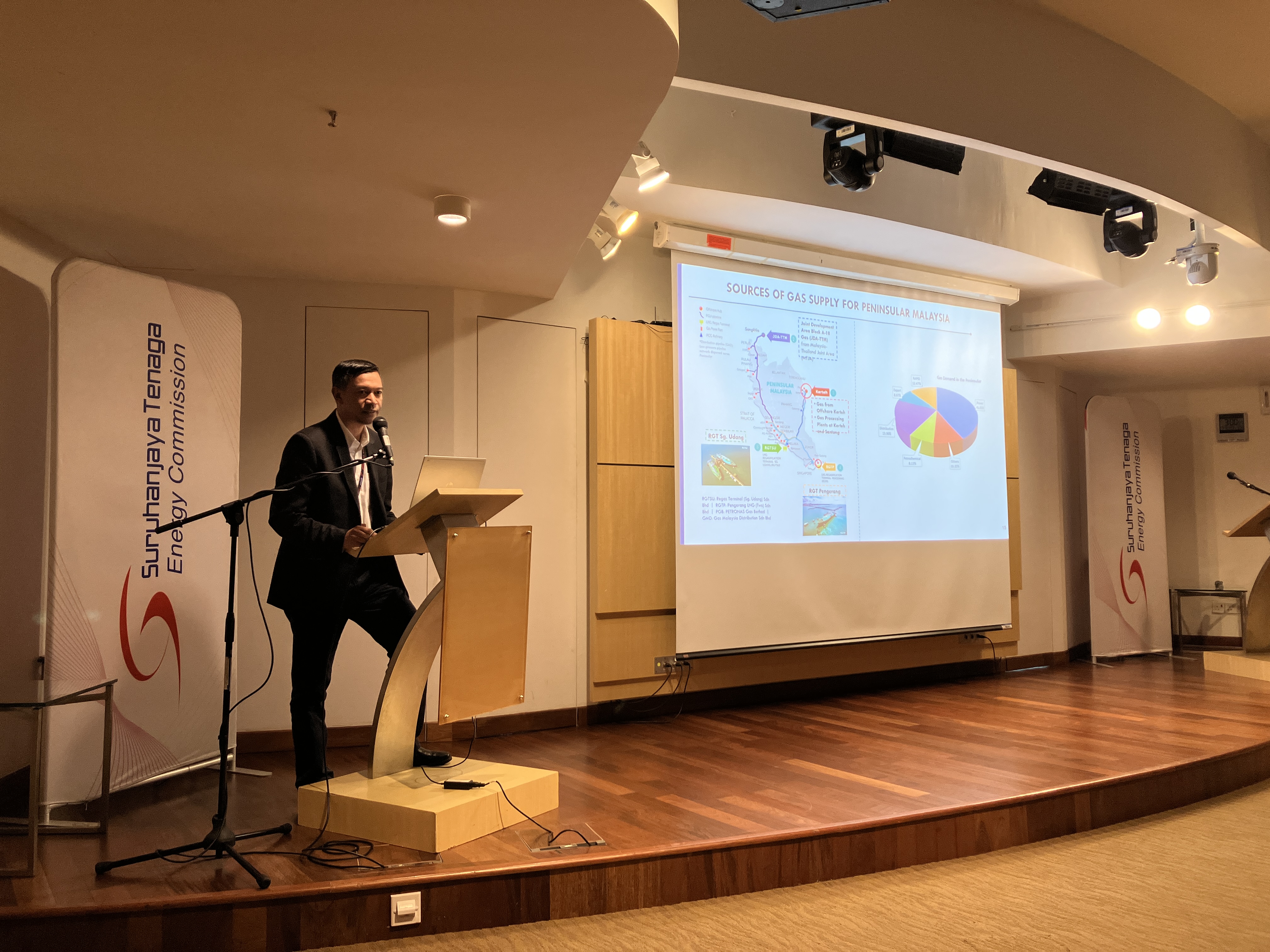
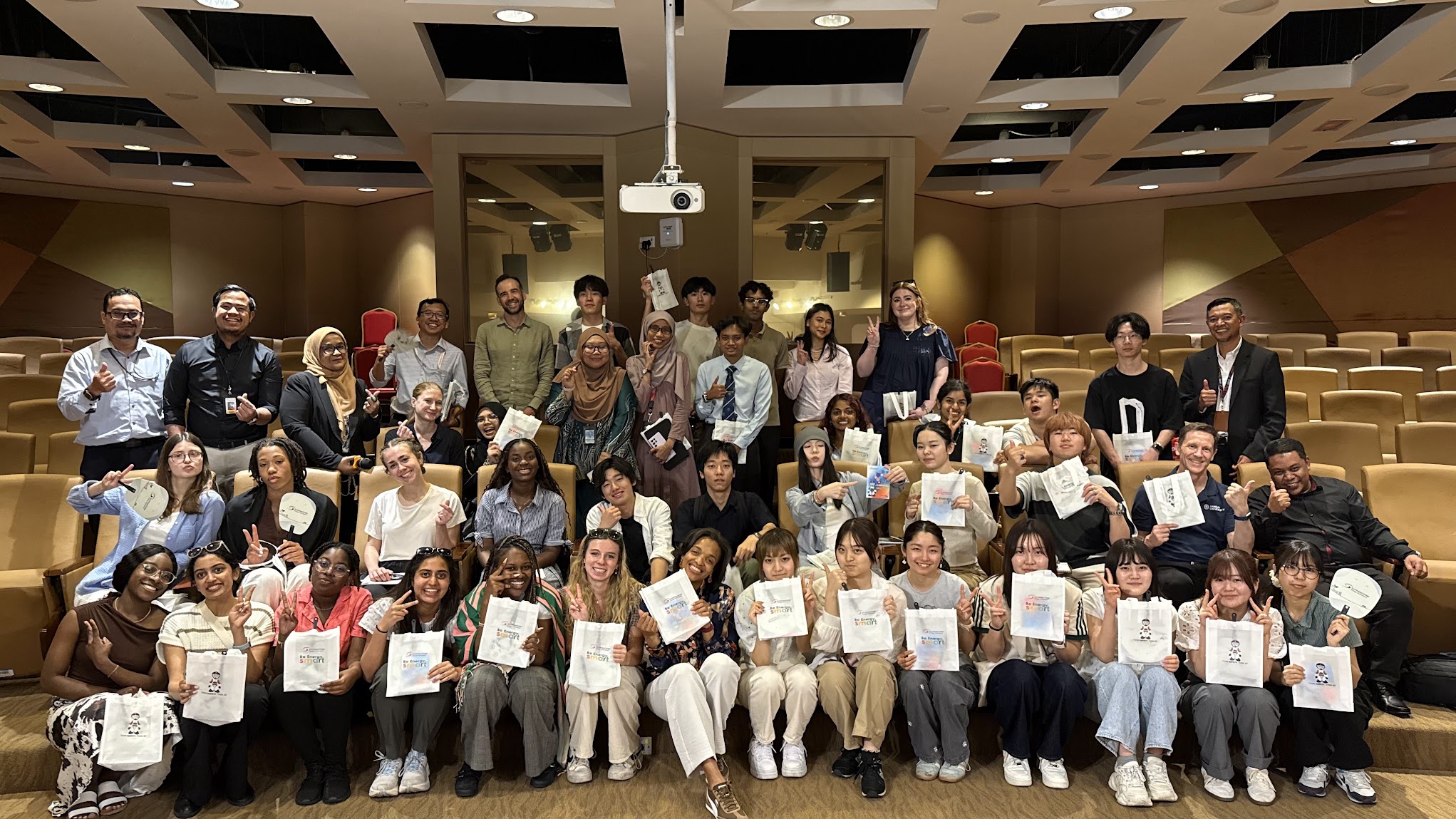
As part of the program, students gained practical insights into Malaysia’s energy sector through an industry visit to Suruhanjaya Tenaga (Energy Commission). During the visit, participants learned about Malaysia’s electricity industry, energy policies, and the role of regulatory frameworks in supporting a reliable and sustainable energy future. The session provided students with a deeper understanding of the challenges and opportunities involved in energy transition, including efforts to promote renewable energy and improve energy efficiency. This industry experience complemented the academic sessions on sustainability and SDGs by connecting classroom discussions with real-world practices and initiatives in Malaysia’s energy landscape.
Cultural Immersion
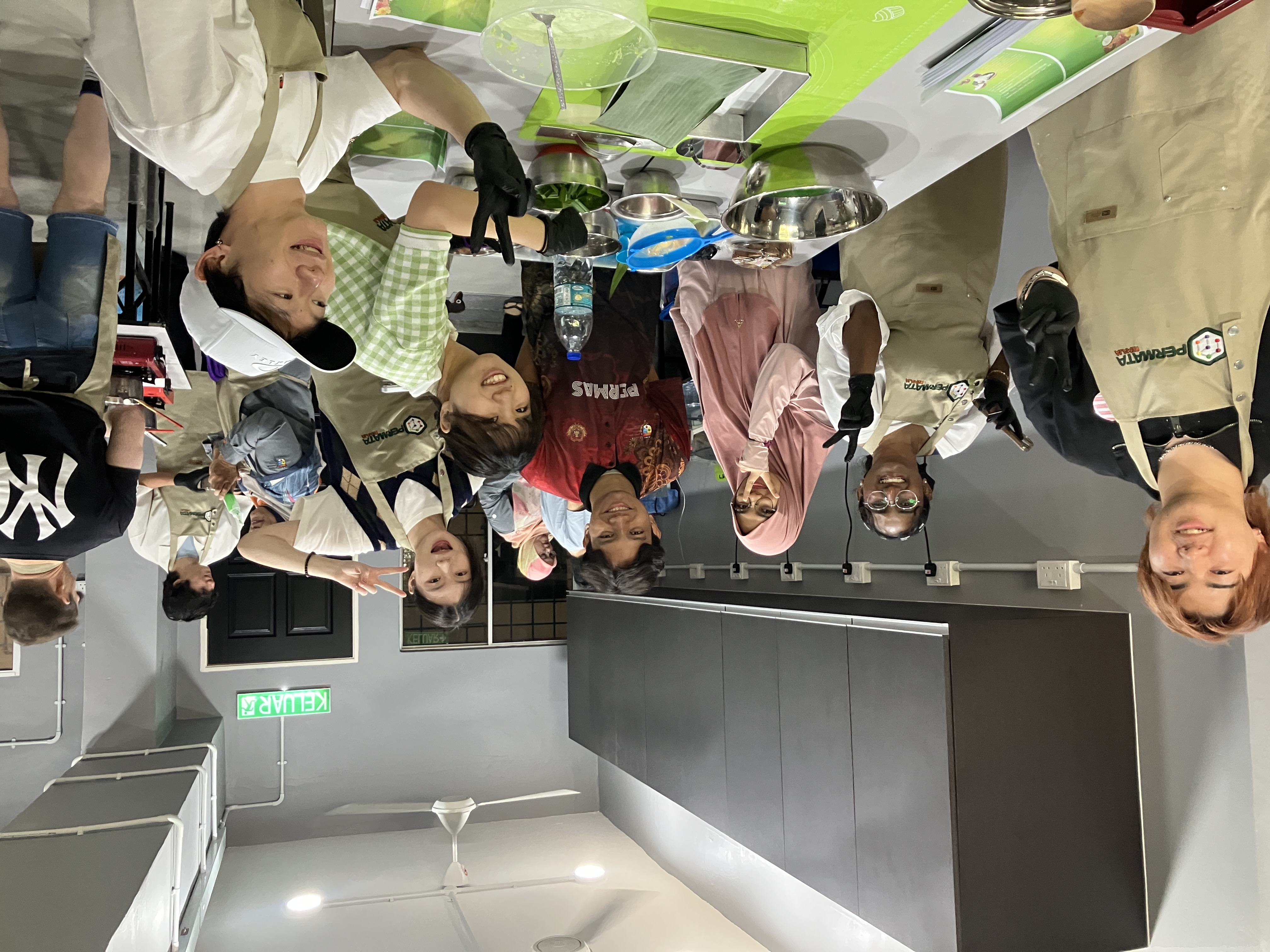
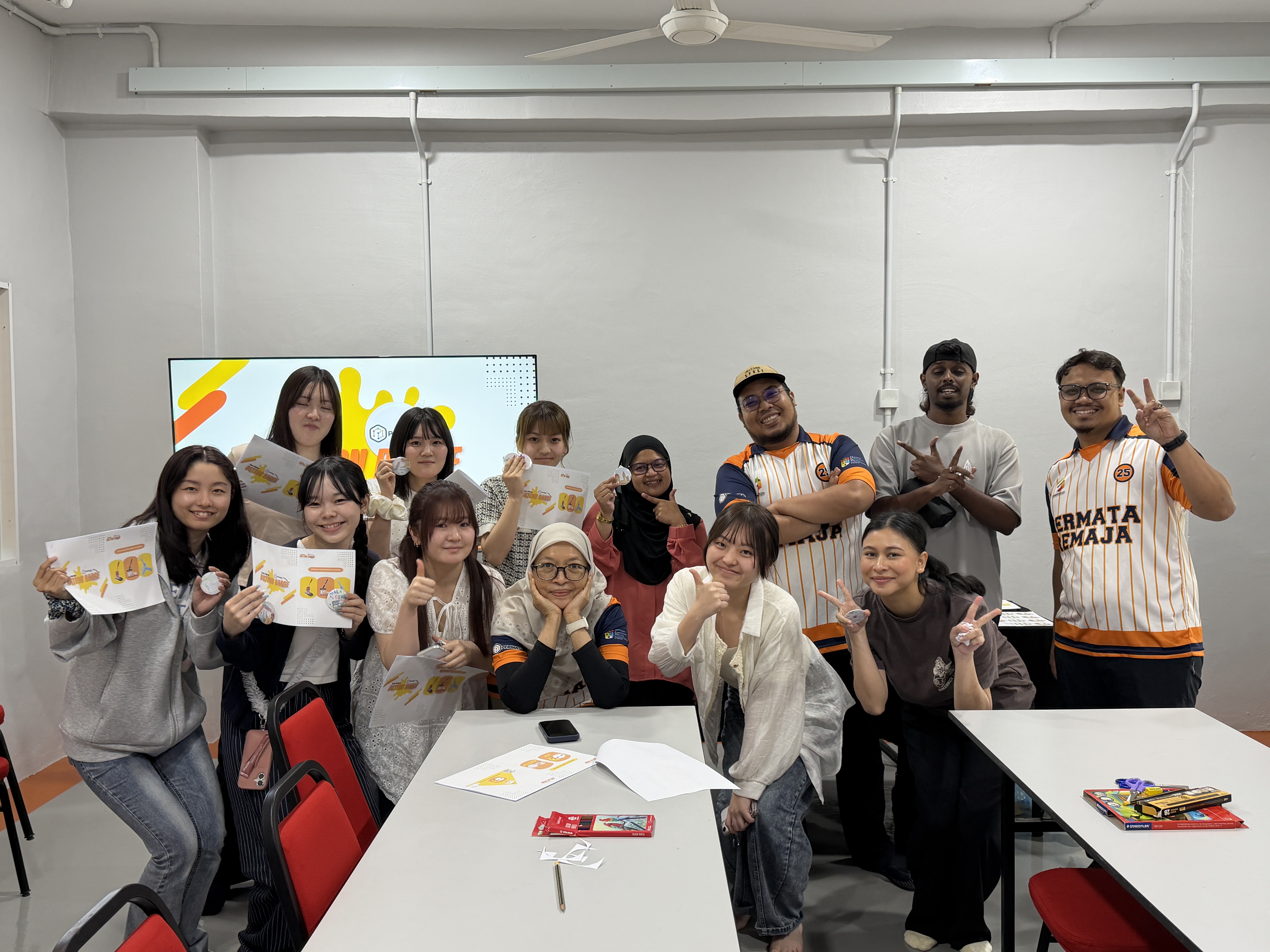
Cultural immersion remained an important element of the program, providing students with opportunities to explore Malaysia’s diverse heritage through hands-on activities, cultural visits, and interactions with local communities. Through a workshop with the Centre for Youth Empowerment (PERKASA), students experienced Malaysian culture by preparing kueh lopes, a traditional Malaysian sweet, during a cooking class and participating in a creative pins and badges workshop.
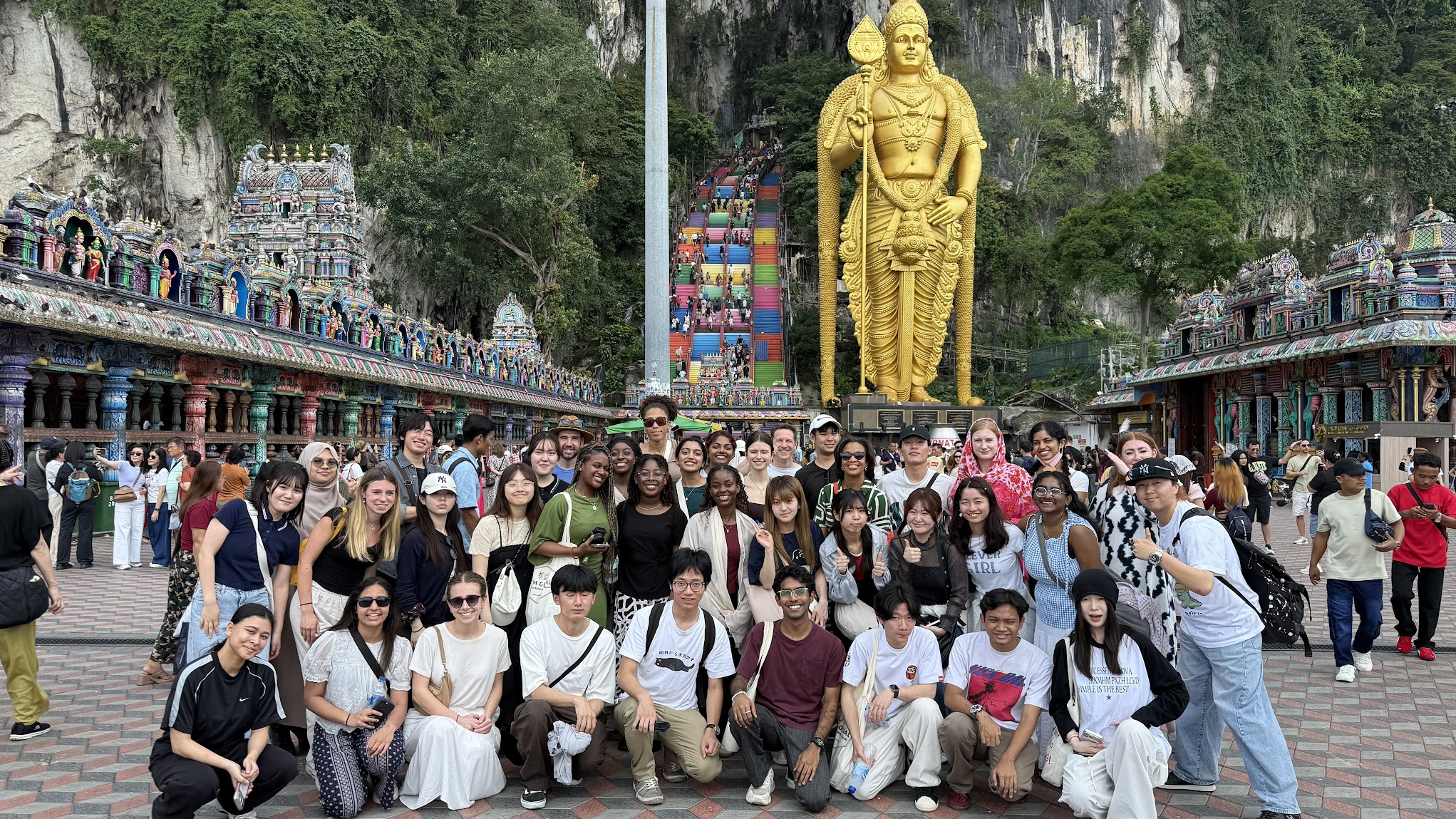
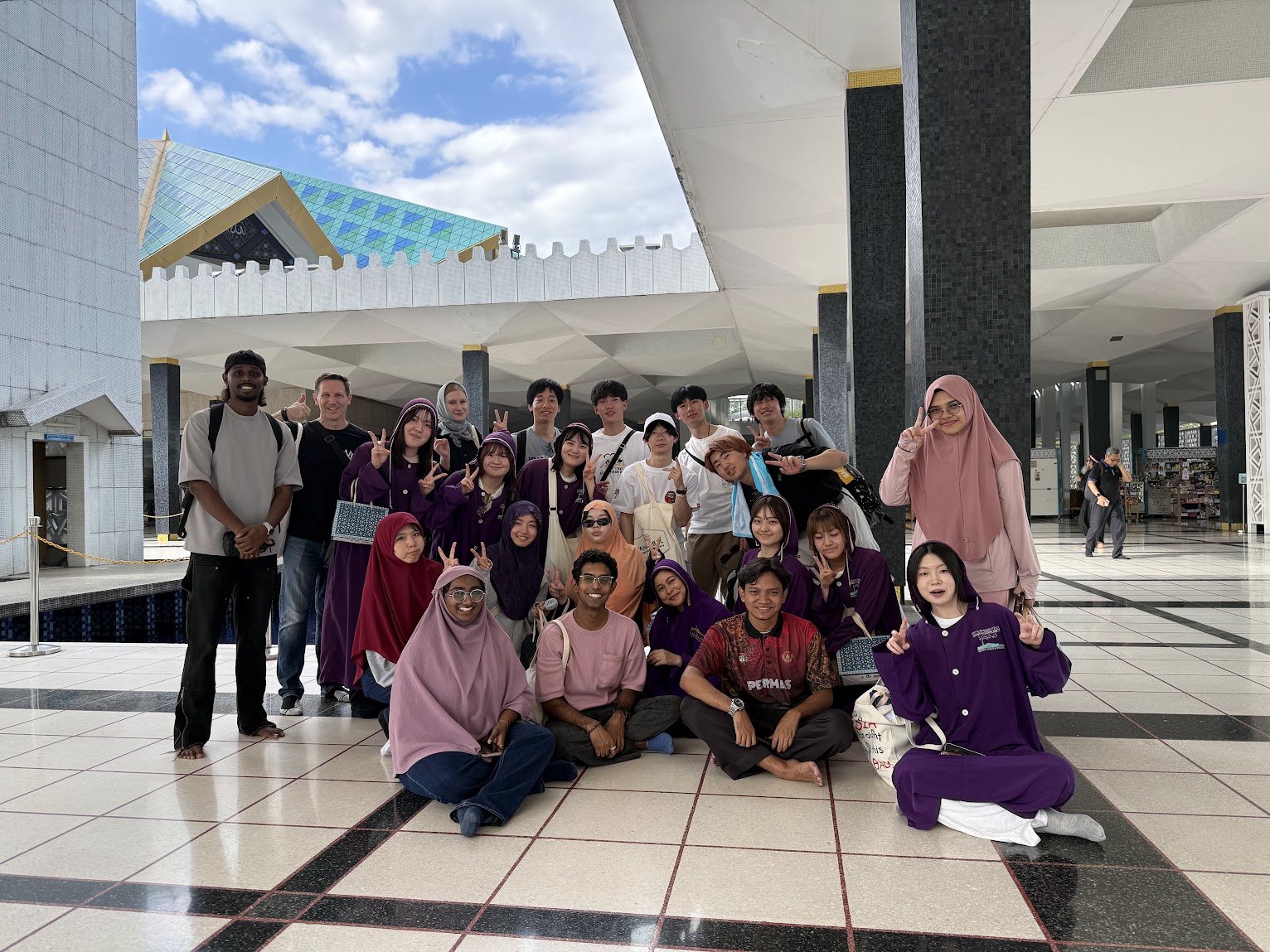
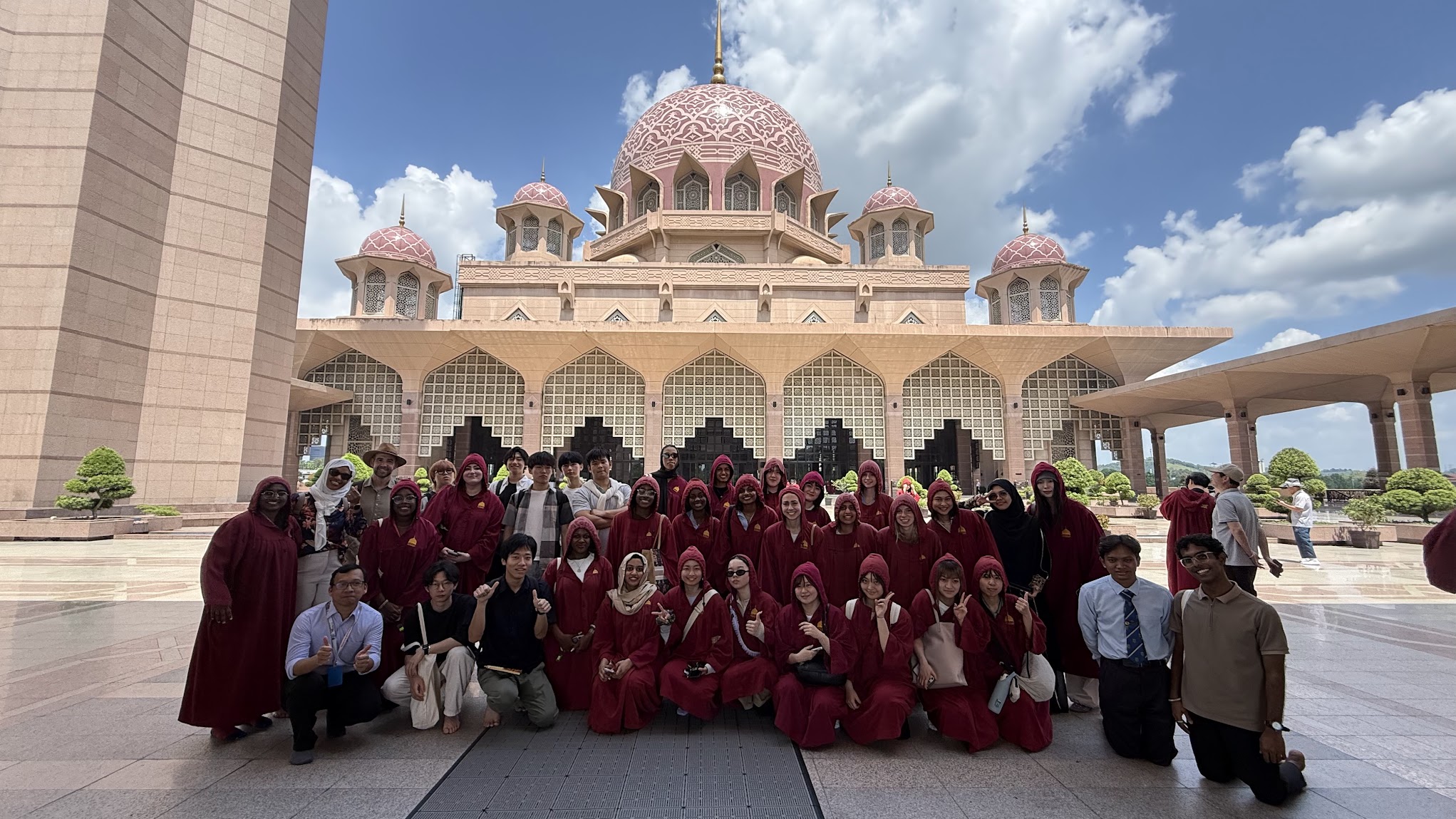
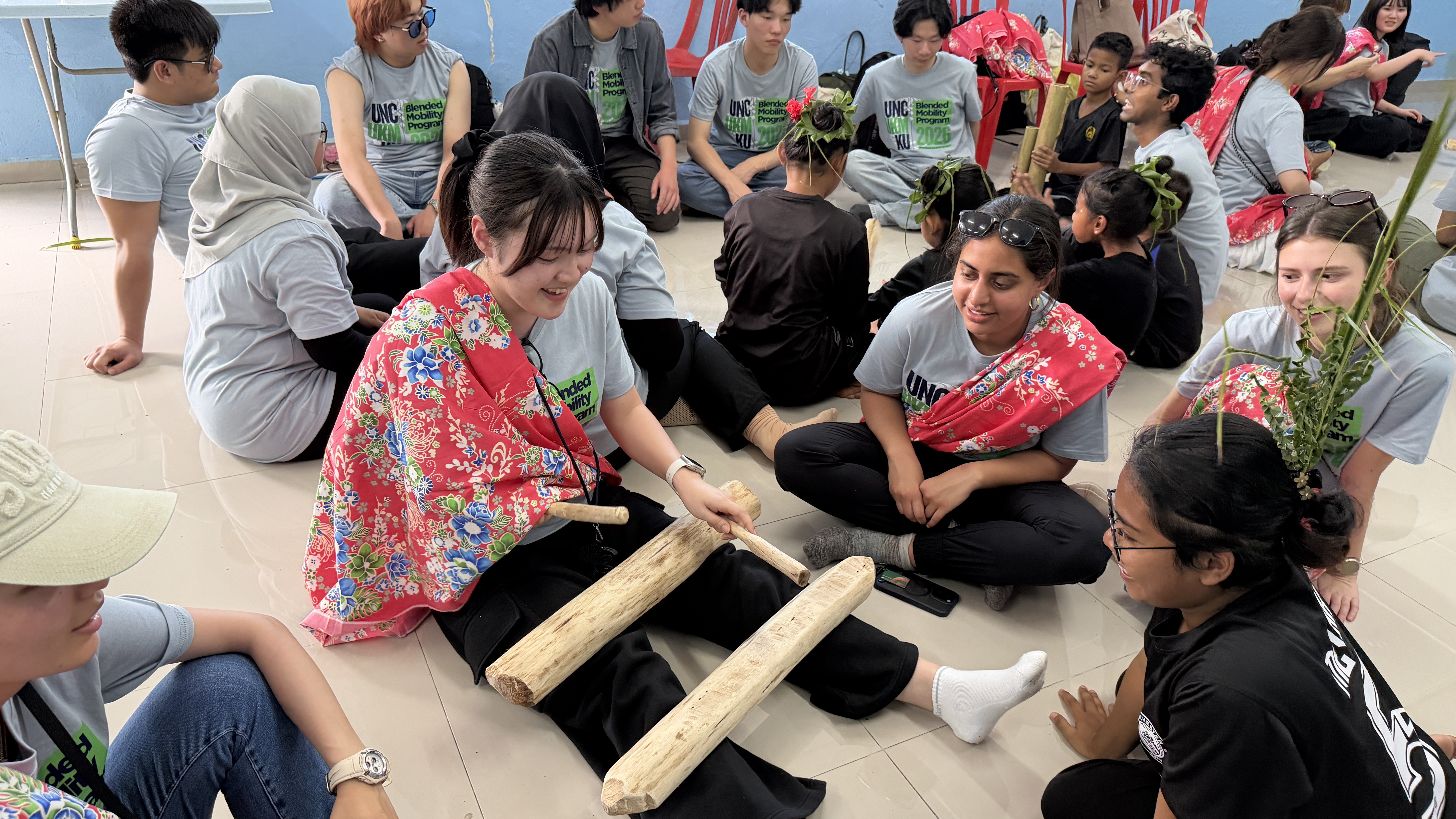
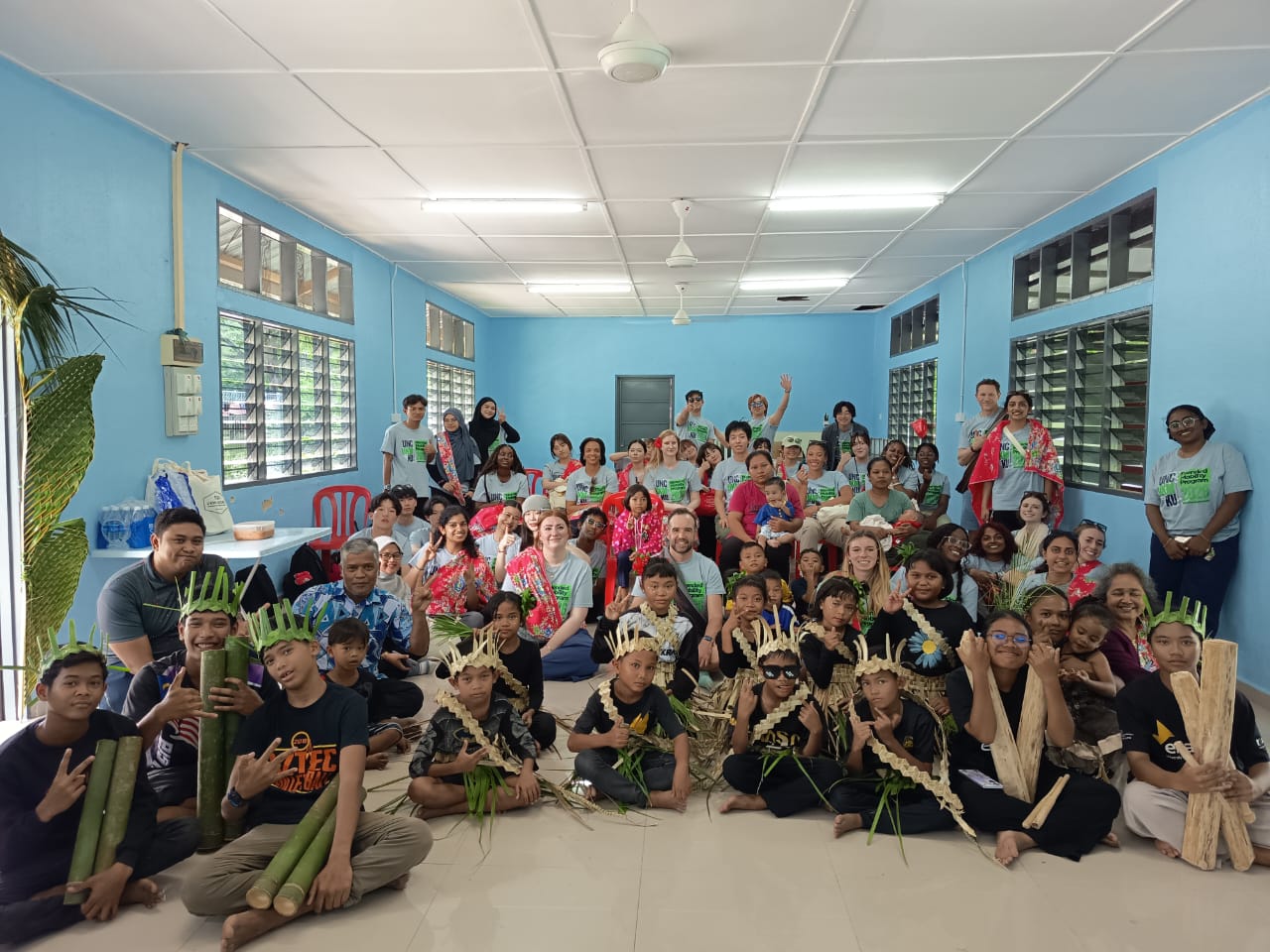
Students also visited several significant cultural and religious sites, including Batu Caves, the Islamic Arts Museum,National Mosque and the Putrajaya Mosque. At Batu Caves, students explored one of Malaysia’s most iconic landmarks, learning about its religious significance as an important Hindu pilgrimage site and its unique natural and architectural features. At the Islamic Arts Museum, students gained insights into the history, culture, and artistic heritage of the Muslim world through its extensive collections and exhibitions. Guided tour of the Putrajaya Mosque introduced students to the role of mosques in Malaysian society, as well as the architectural features and design elements that reflect Islamic traditions. A highlight of the cultural experience was the visit to the indigenous community of Kg. Kachau, Semenyih, where students participated in traditional music and dance activities while learning about the community’s heritage, lifestyle, and cultural practices. These experiences deepened students’ appreciation of Malaysia’s multicultural identity and reinforced the importance of intercultural understanding and global awareness.
Final Project
For their final project, “Sustainable Solutions Across Borders: Insights from Malaysia and Beyond,” students collaborated in four teams to apply the knowledge and perspectives gained throughout the program. Each team explored a sustainability-related theme connected to the program’s key topics, including Climate Action (SDG 13), Sustainable Communities (SDG 11), Indigenous Community Sustainability Practices, and Renewable Energy & Community Empowerment (SDG 7). Through 10–15-minute multimedia presentations, students integrated their observations from field visits, workshops, and industry sessions, while examining sustainability challenges from perspectives in Malaysia, Japan, and the United States. The teams analyzed local and global issues, identified possible approaches to addressing these challenges, and highlighted the importance of cross-border collaboration in creating sustainable solutions.
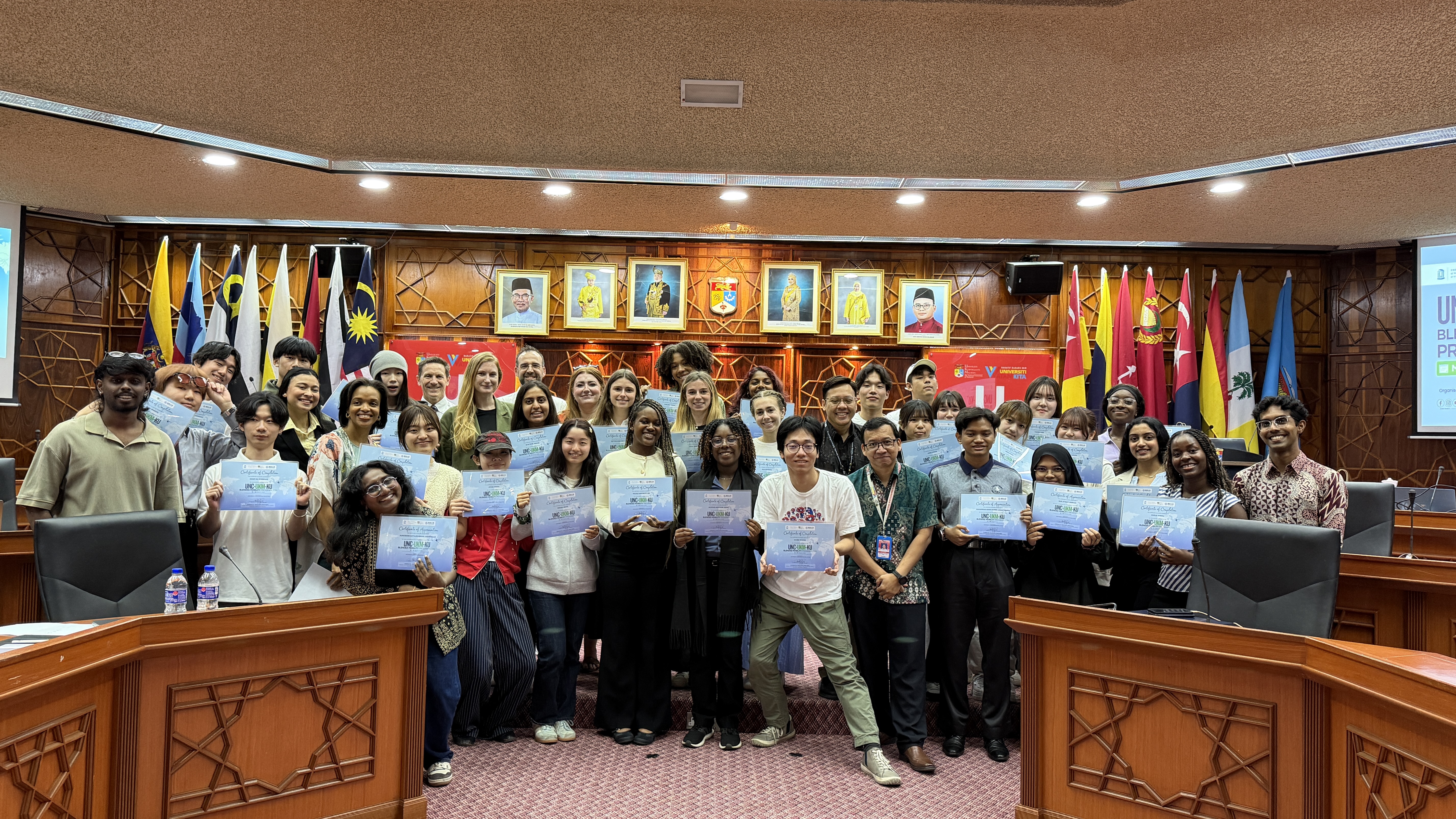
The Blended Mobility program offered students a valuable opportunity to combine academic learning, cultural exchange, and practical engagement with sustainability challenges. Through workshops, industry visits, and fieldwork, participants developed a deeper understanding of global issues while strengthening their collaboration and leadership skills. The final projects reflected their growth and creativity, highlighting the importance of cross-cultural cooperation in creating solutions for a more sustainable future.