2026.07.19Advanced Programs
Kansai University Summer Program: Global Citizenship and Capabilities for Society 5.0
Kansai University’s Global Citizenship and Capabilities for Society 5.0 Program concluded its two-week journey on July 11, bringing together 49 students from the United States, Spain, Thailand, and Malaysia for an enriching global learning experience focused on sustainability, cross-cultural understanding, and global citizenship.
During the first week, 24 international students gathered at Kansai University to participate in a series of lectures and cultural activities. During the second week, they were joined by 25 students from CEU Universities (Spain) who traveled to Osaka after completing a workshop at Chiba University. Across the two weeks, students had opportunities to explore contemporary social issues, learn about Japanese society and culture, exchange perspectives with students from different backgrounds, and work collaboratively on projects connected to the challenges facing society today.
COIL: Preparing for the Program
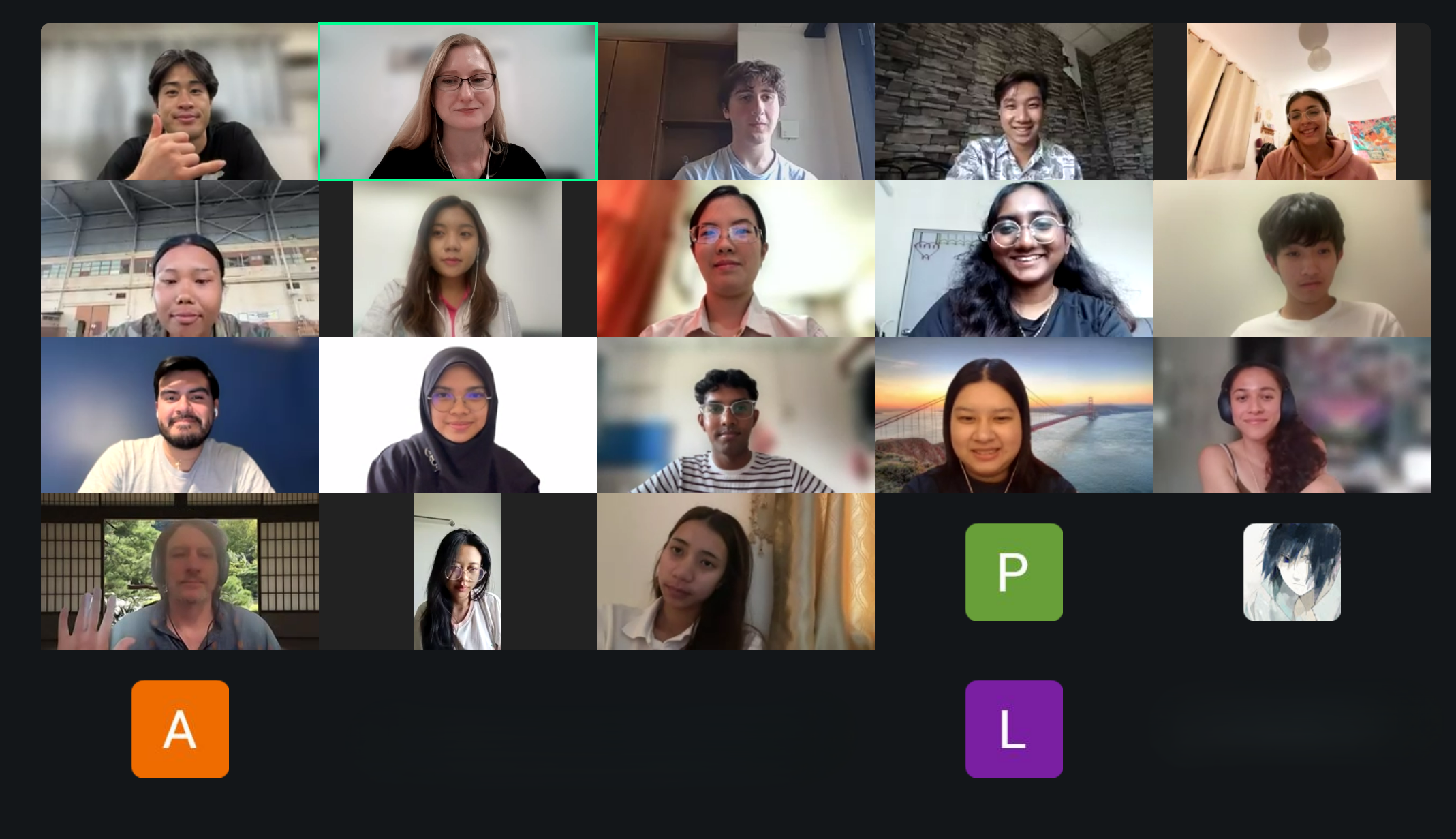
Before the main program began, students participated in a COIL component consisting of two sessions led by Prof. Don Bysouth. The sessions helped prepare students for the academic part of the program by encouraging them to examine issues from different perspectives, question assumptions, and develop analytical approaches to complex topics. As part of the COIL activities, students also met their teammates for the final project and began getting to know one another, laying the foundation for their collaboration during the program.
Lectures and Workshops
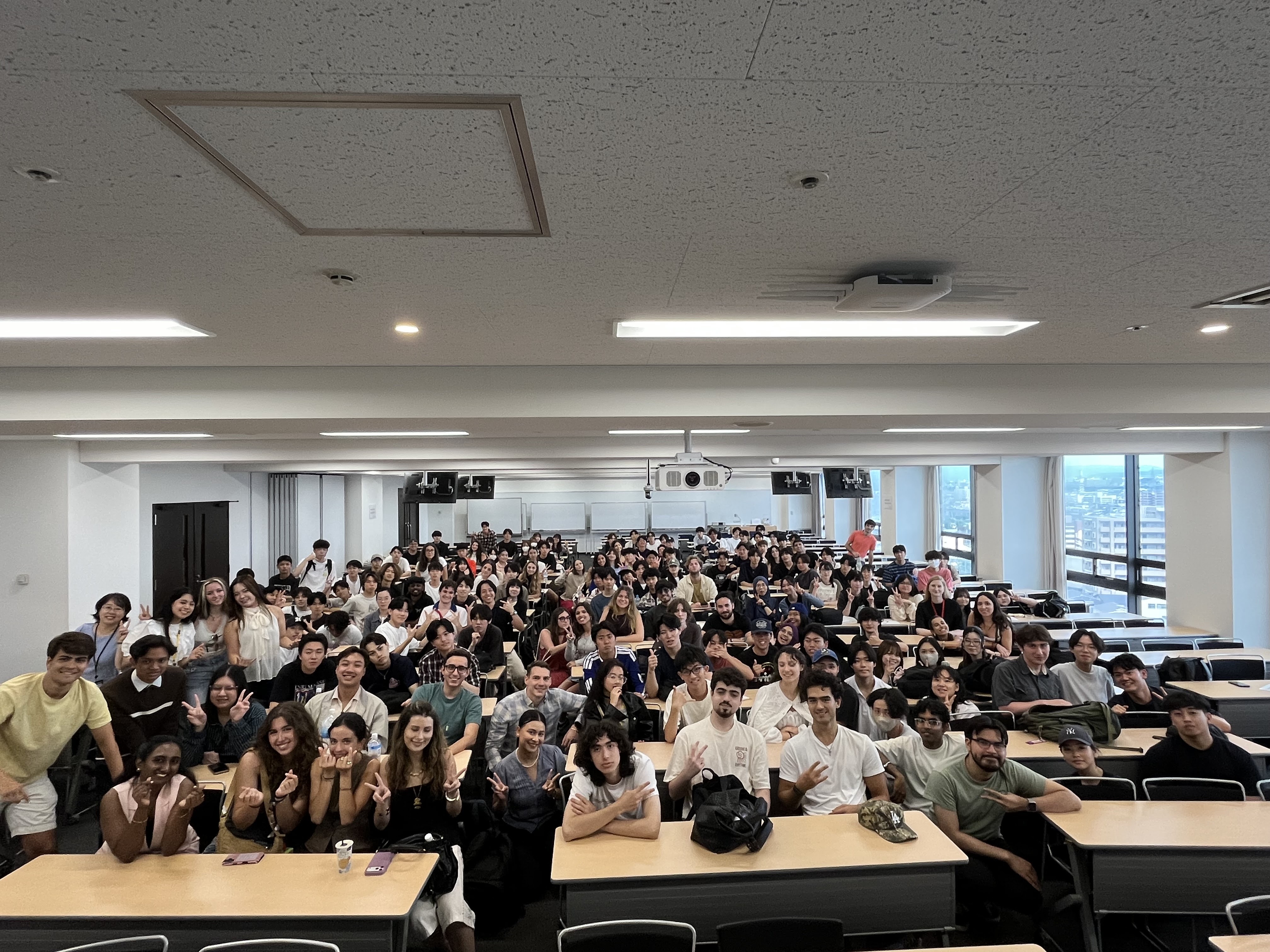
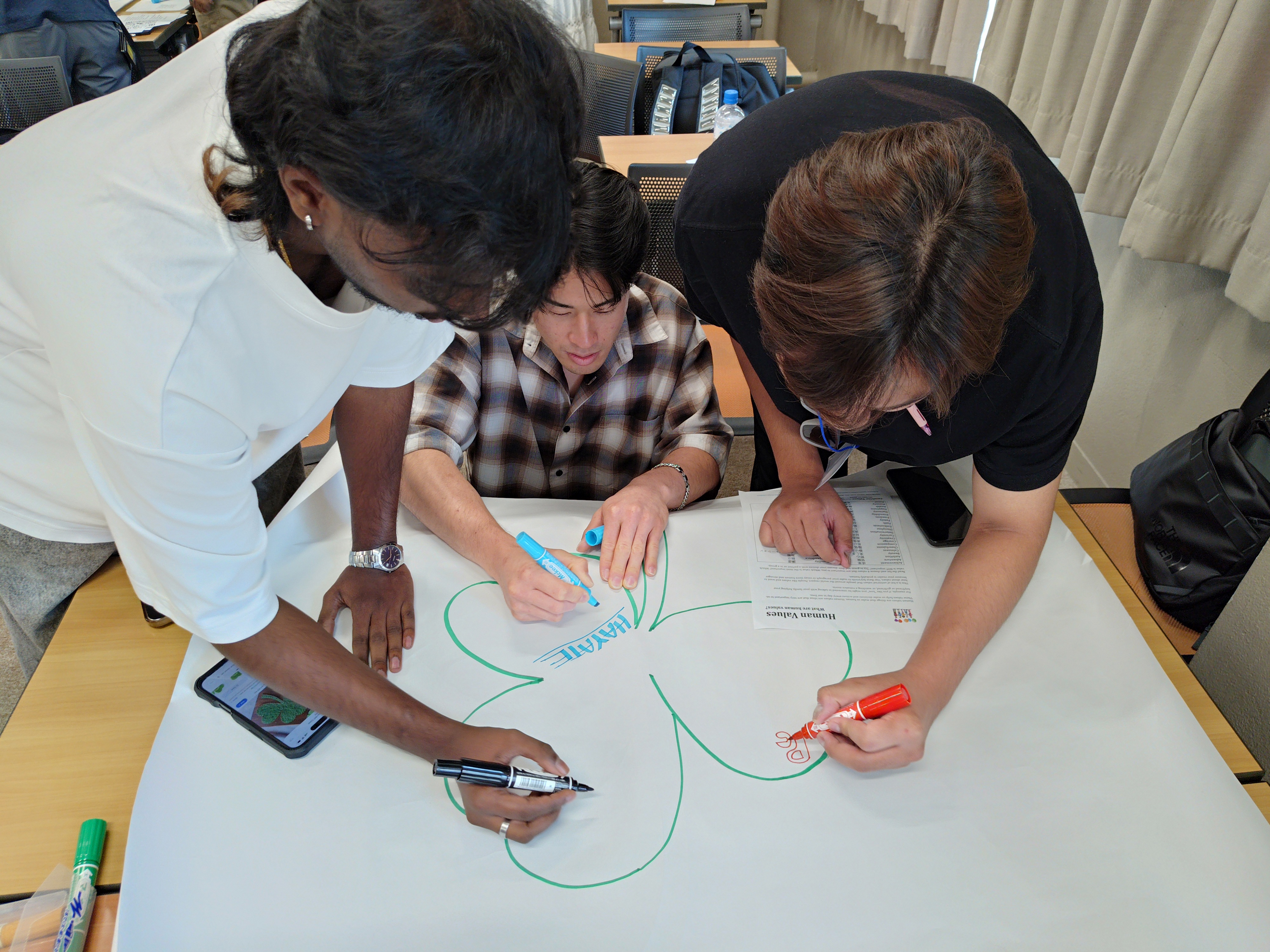
Upon their arrival to Japan students attended a diverse range of lectures and workshops centered on global citizenship, sustainability, diversity, and Society 5.0. Topics included DEI and Gender Equality in Japan, Understanding Cross-Cultural Communication, Business Leadership in Japan, Japanese Marketing and Business, Japanese Economics, Understanding Climate Change and other. Together, these sessions encouraged students to explore contemporary social challenges from different perspectives while deepening their understanding of Japanese society and the global issues that connect communities across borders.
Cultural Exchange with Kansai University Students
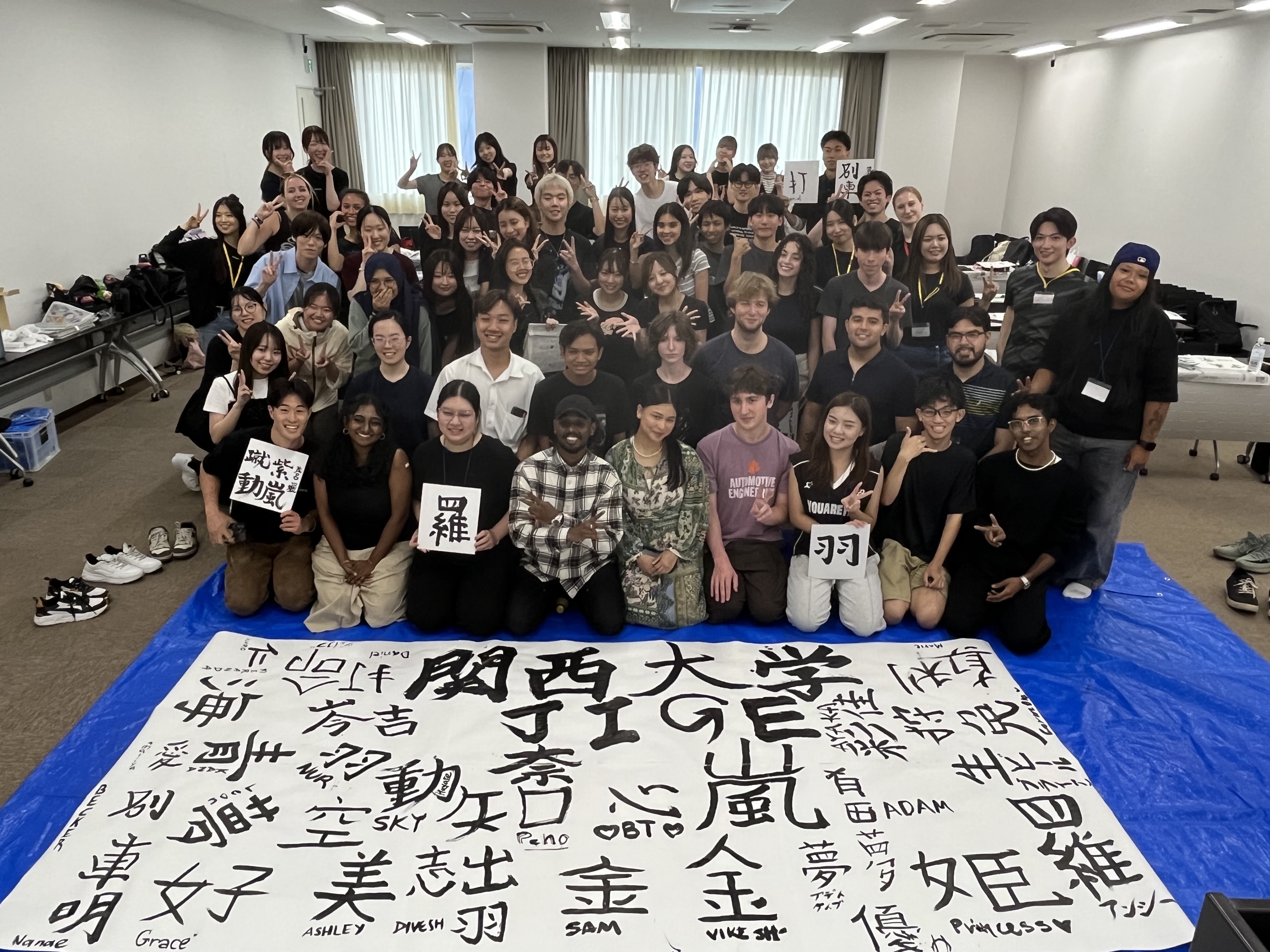
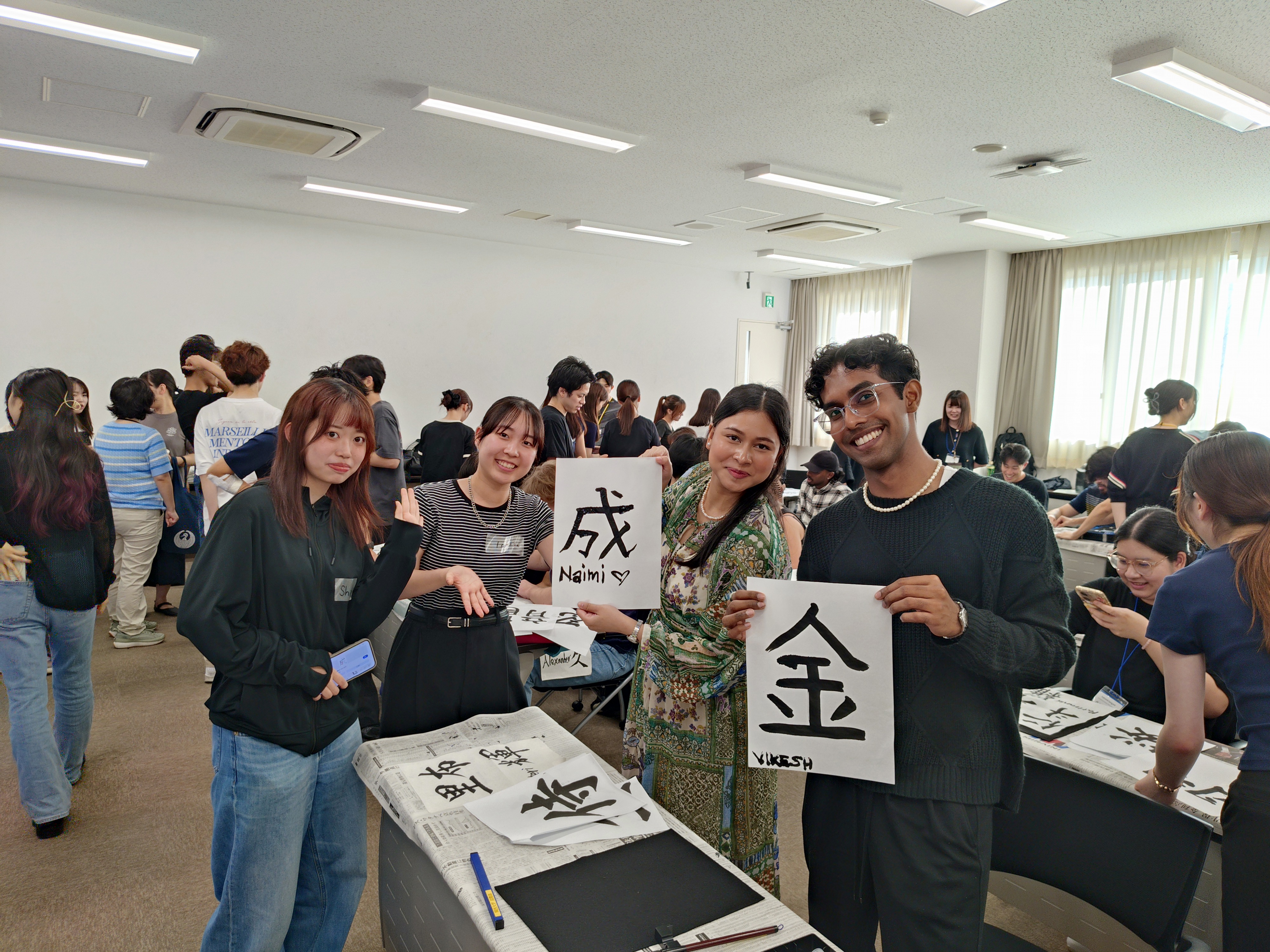
Cultural exchange was an important part of the program, providing students with opportunities to connect with Kansai University students and experience Japanese culture through hands-on activities. During the first week, participants took part in a calligraphy session with the Kansai University Calligraphy Club, where they learned about Japanese calligraphy and had the opportunity to try writing themselves. The activity offered a relaxed setting for students to interact with club members while experiencing a traditional Japanese art form firsthand.
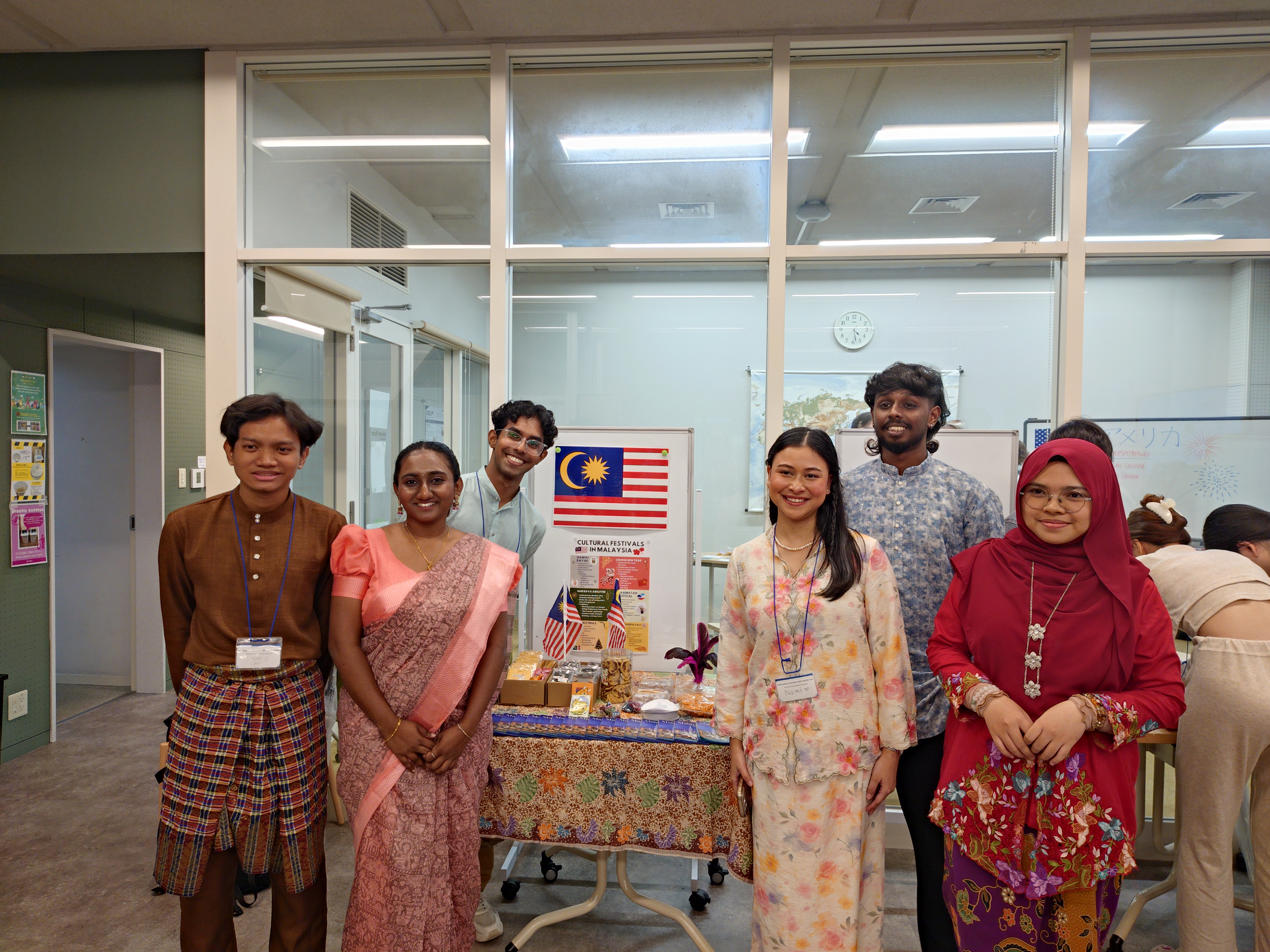
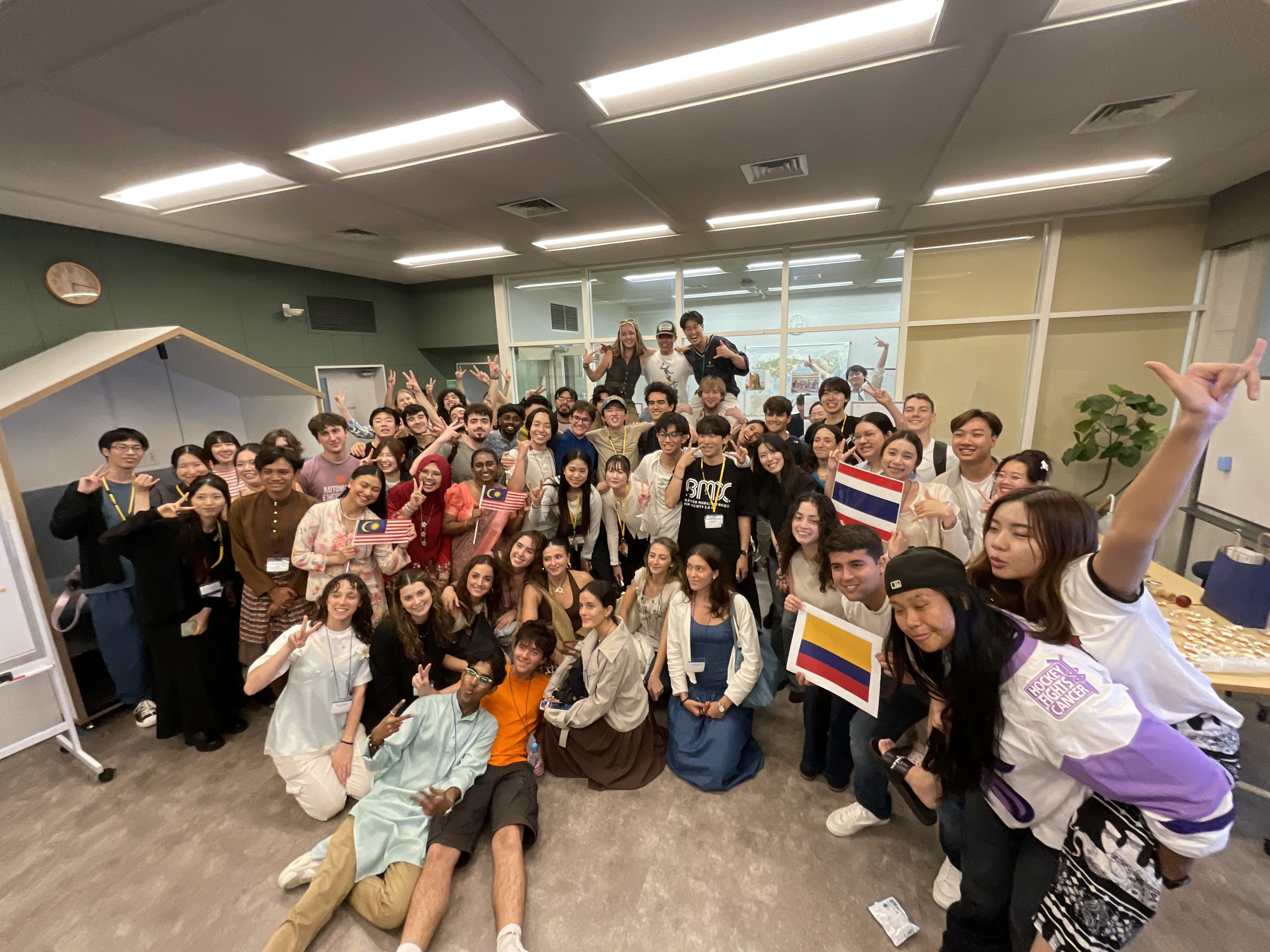
The cultural exchange continued with a Tanabata-themed event, which brought together traditions from Japan and the participating countries. Students introduced festivals and cultural traditions from Spain, Thailand, Malaysia, Colombia, and the United States, sharing how different communities celebrate important occasions throughout the year. They then learned about Tanabata, its history and traditions, and took part in Tanabata-related activities.
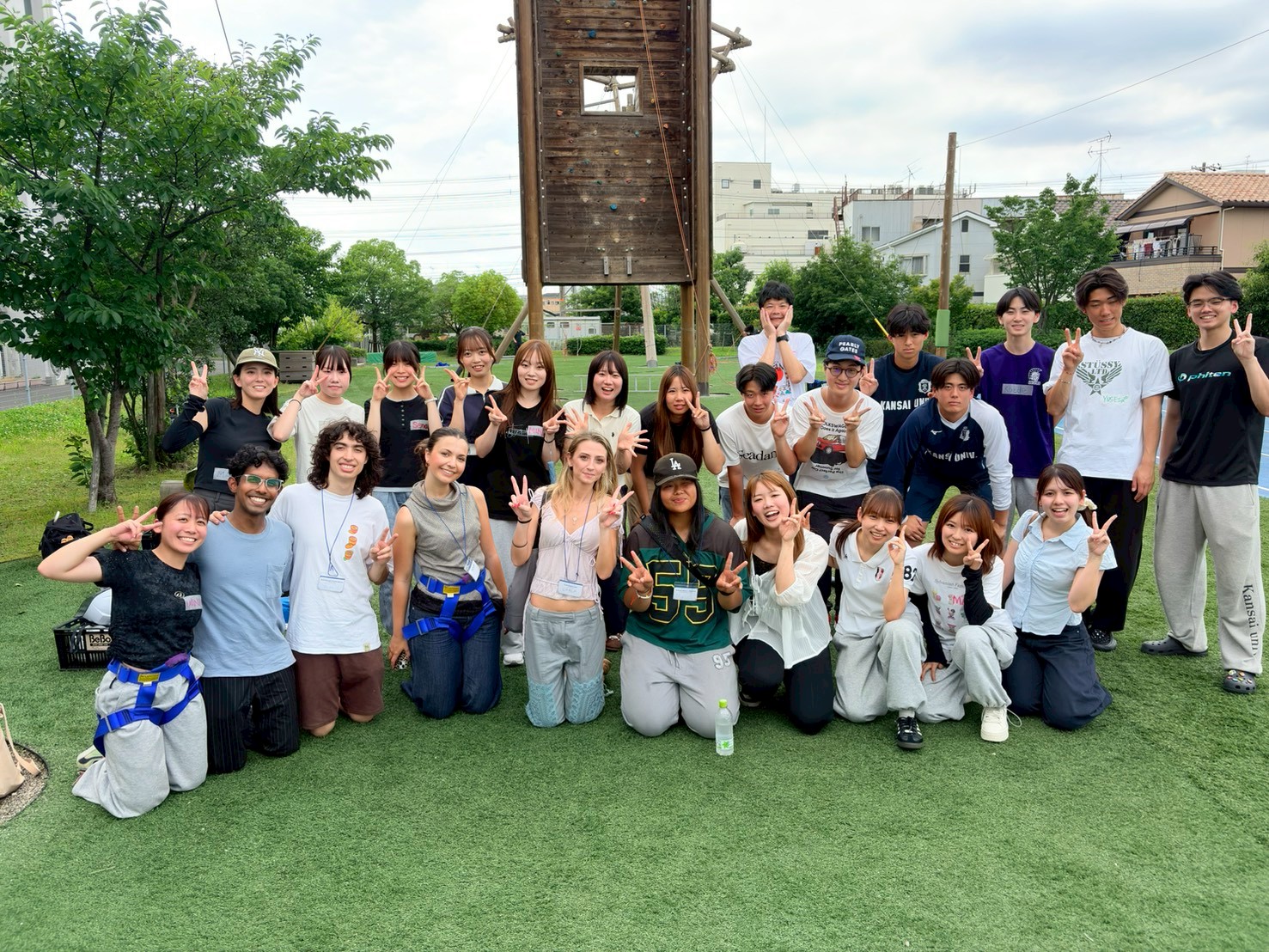
Students also took part in a sports and climbing event at Sakai Campus, where they participated in a variety of sports activities and had the chance to experience outdoor climbing. The session offered a change of pace from the academic activities and gave students an opportunity to enjoy some physical activity in a fun and informal setting.
Field trips
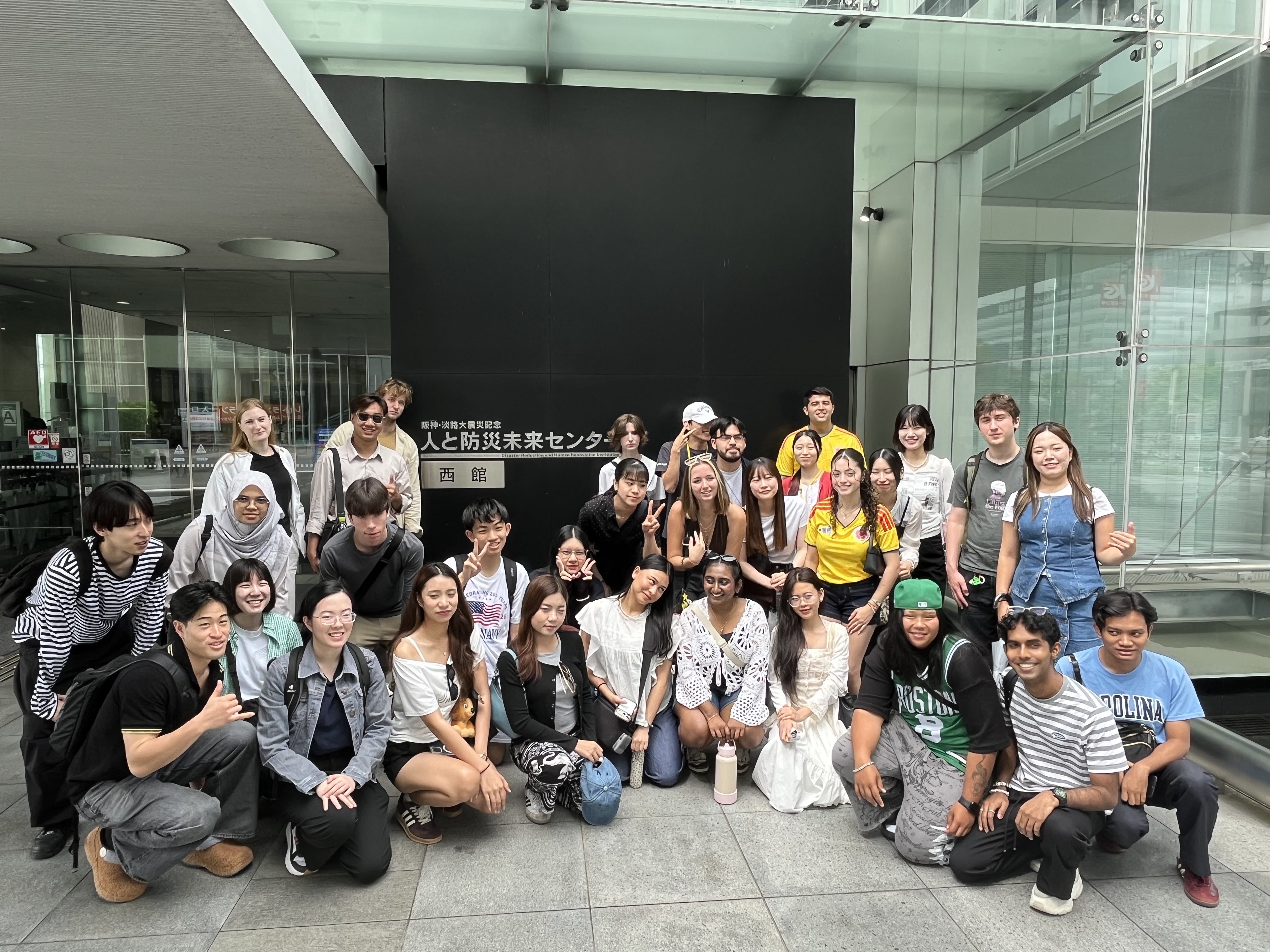
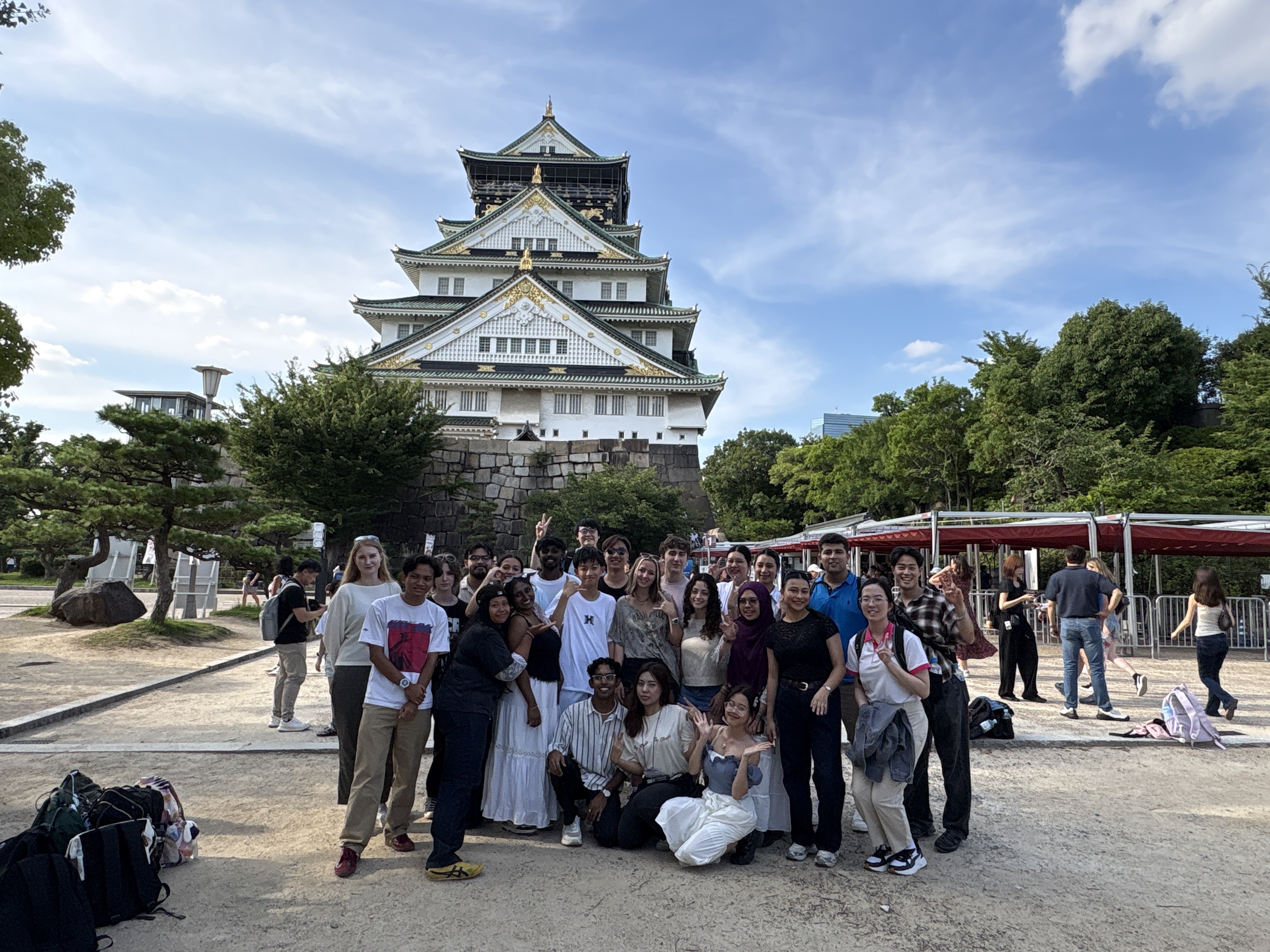
The program also took students beyond the classroom to explore the Kansai region and connect their learning with real-world experiences. During the first week, students visited Kobe, where, they visited the Disaster Reduction and Human Renovation Institution and learned about Japan’s experiences with natural disasters and disaster preparedness. The visit was followed by a visit to Ando Gallery, Akashi Kaikyo Bridge and Sumadera Temple offering students the opportunity to discover some of the Kobe’s distinctive landmarks. Students also visited Osaka Castle, learning about one of Osaka’s most well-known historical landmarks and experiencing an important part of the city’s cultural heritage.
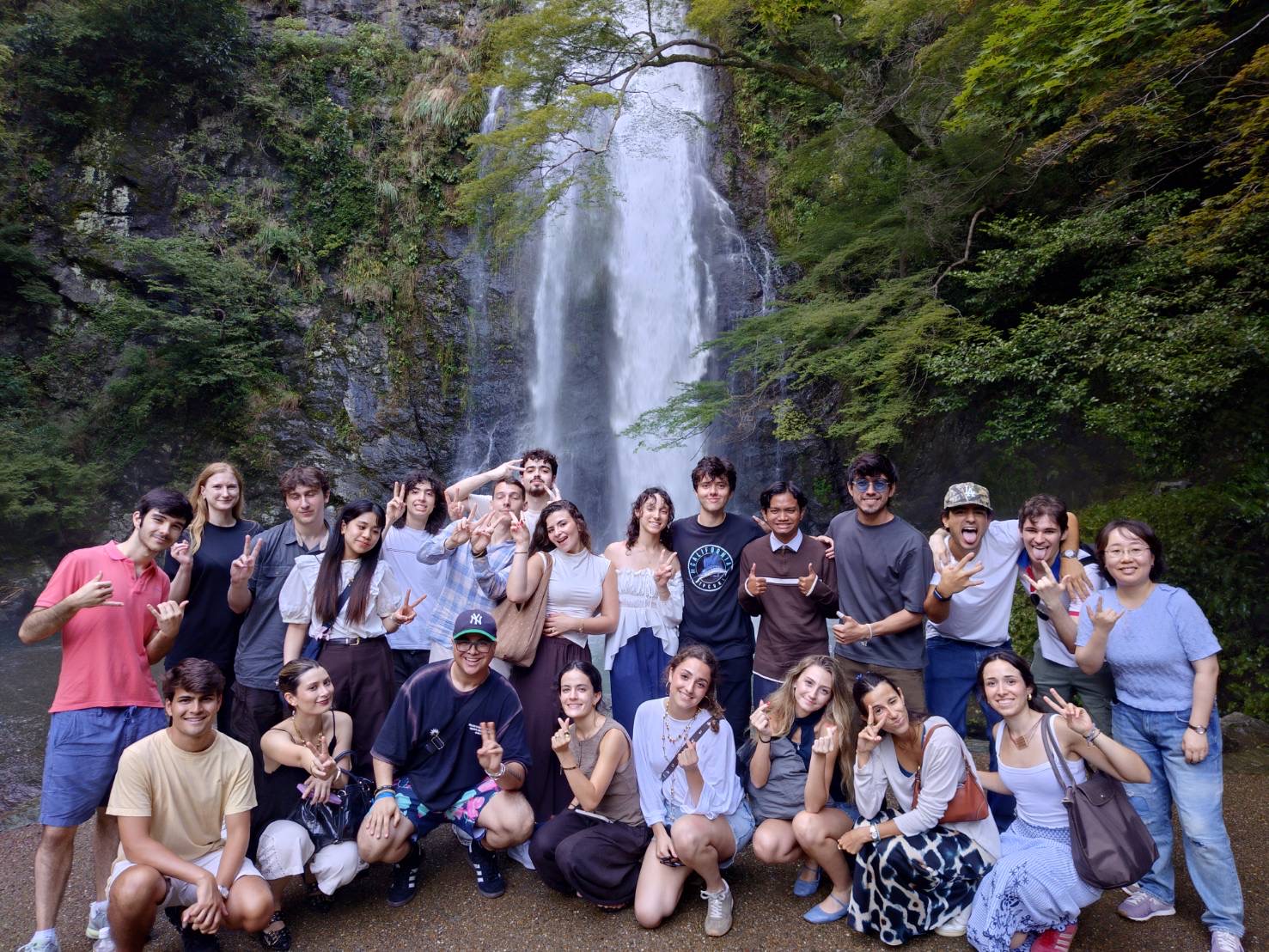
The field trips continued during the second week with a visit to Expo City and a hike to the Minoh Waterfalls. The hike provided students with an opportunity to explore the natural surroundings of Osaka and enjoy the scenery along the trail before reaching the waterfall. Together, these excursions offered a balance of historical, cultural, educational, and outdoor experiences, allowing students to discover different aspects of the Kansai region while complementing the themes explored throughout the academic program.
Final Presentations
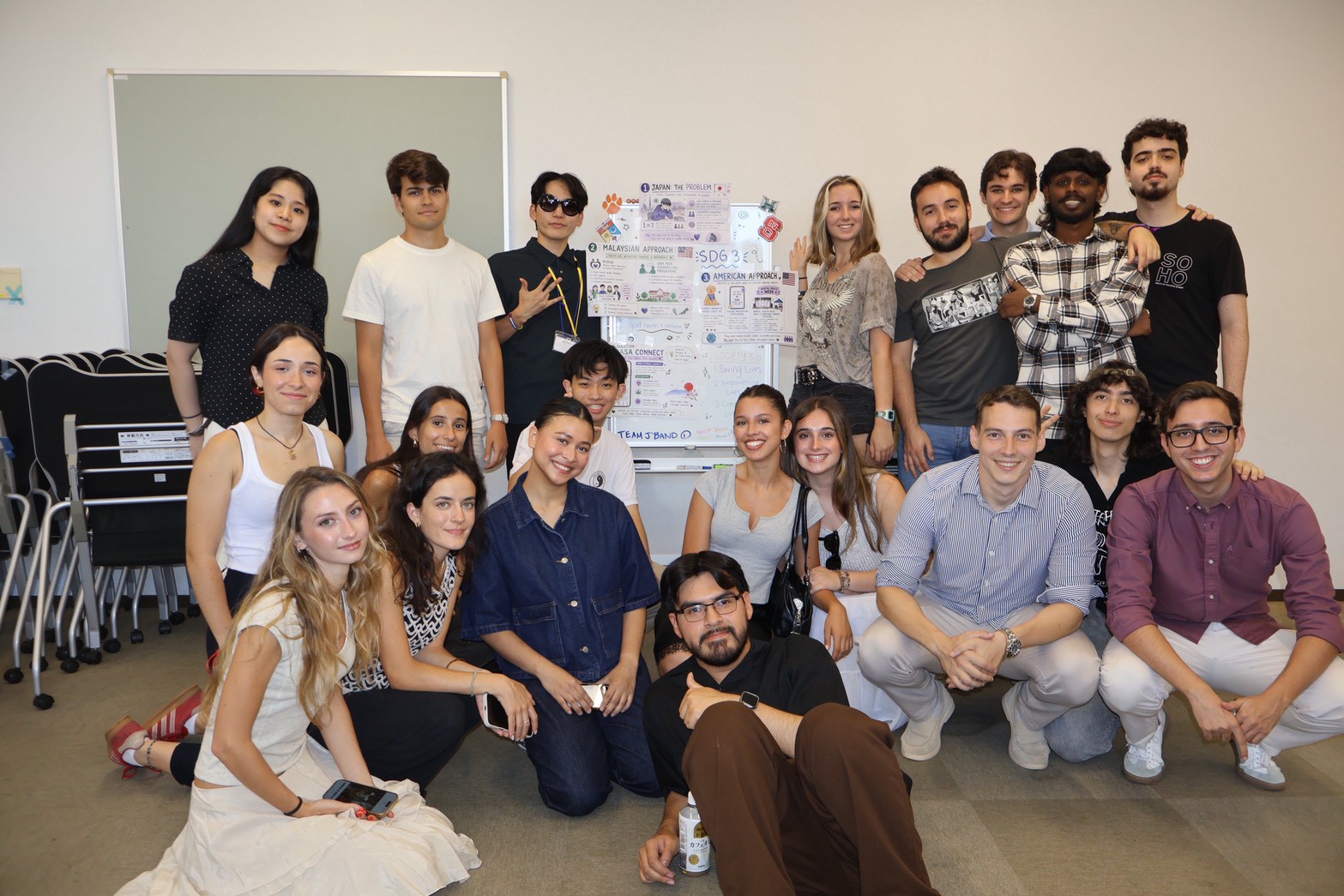
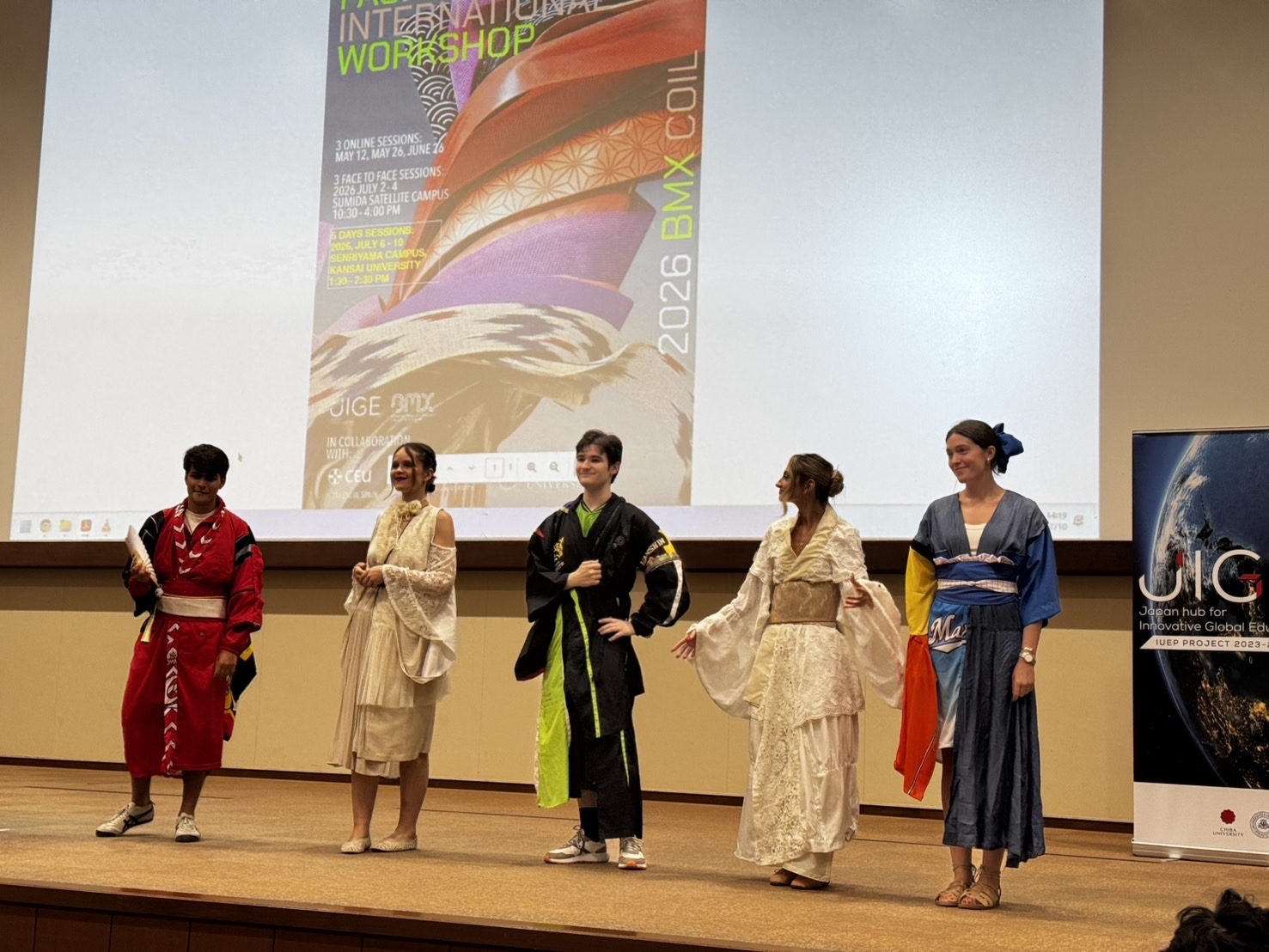
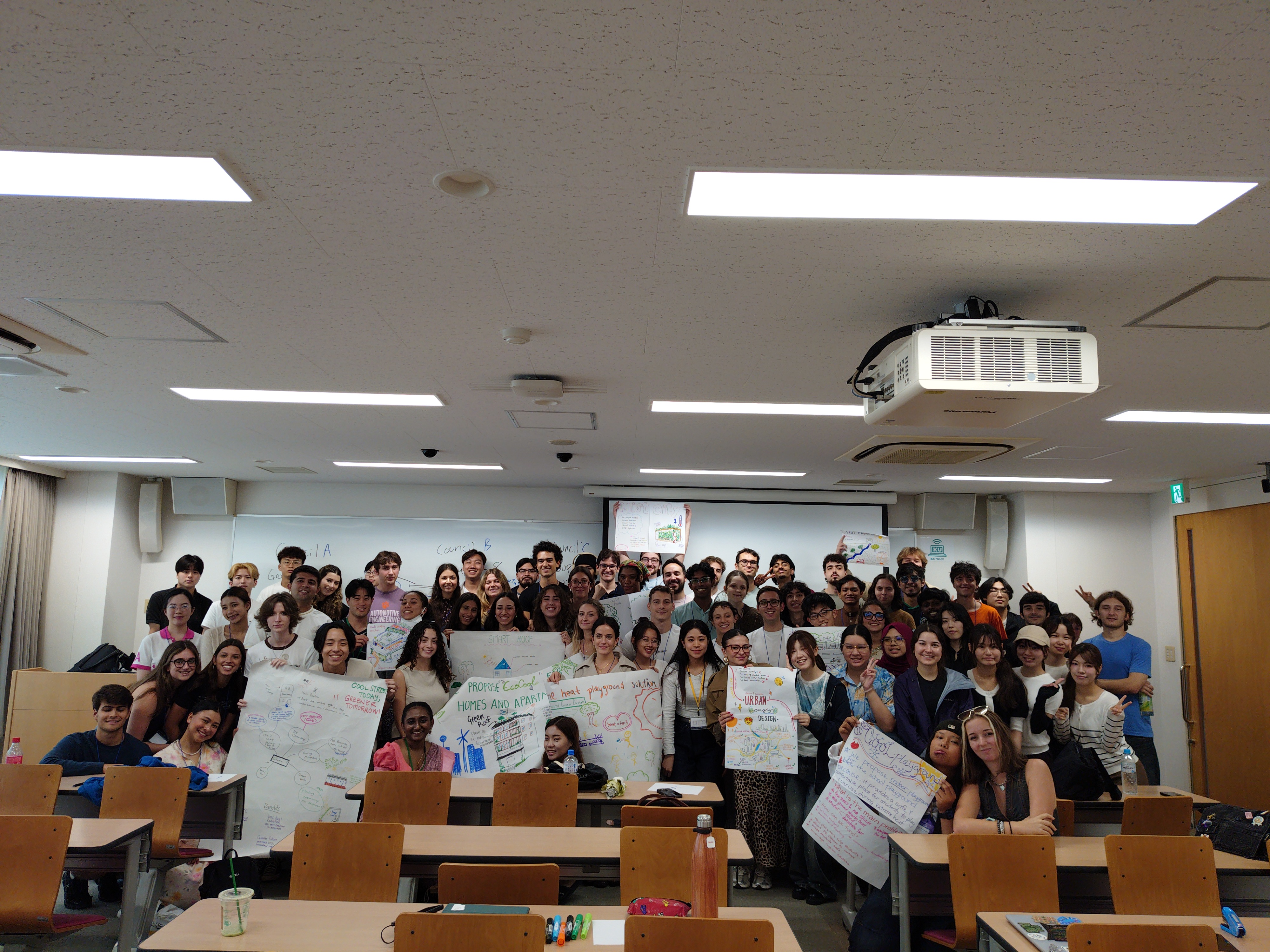
The program concluded with two final presentations showcasing the students’ work and creativity. The main group of participants presented their projects in a poster session on on global youth action for sustainability, introducing youth-led sustainability initiatives from their home countries and exploring how these ideas could be adapted to the Japanese context. Students from CEU Universitiy presented a sustainable fashion show that they had developed during their workshop at Chiba University.
Through two weeks of learning, cultural exchange, and collaboration, Kansai University provided a space for students from around the world to broaden their perspectives, share ideas, and explore their roles as global citizens working toward a more sustainable future.