

 No.86
ジェンダーに関する学生意識調査
Survey on Kansai University Students’ Attitudes towards Gender Issues
約40年の継続調査から捉える関大生のジェンダー意識
──時代とともに変わる学生の「今」を見つめる
Exploring Kansai University Students' Gender Attitudes through Nearly 40 Years of Continuous Surveys
Tracing Changes in Student Attitudes over Time
人権問題研究室 ジェンダー研究班
酒井 千絵 教授(社会学部) 多賀 太 教授(文学部)
Gender Studies Research Group, Institute of Human Rights Studies
Professor Chie Sakai (Faculty of Sociology) Professor Futoshi Taga (Faculty of Letters)
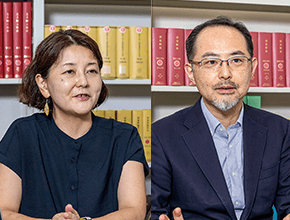
1987年から、関西大学の学生を対象にジェンダーをめぐる意識調査を続けてきた関西大学人権問題研究室ジェンダー研究班。今秋、9年ぶりとなる第6回の学生意識調査を実施する。約40年の間に、学生を取り巻く社会やジェンダーに関する課題はどう変わり、調査は何を捉えてきたのか。人権問題研究室の歩みとともに、調査を継続する意義や、今回の調査で見つめる学生の「今」について、酒井千絵教授(社会学部)と多賀 太教授(文学部)に話を聞いた。
Since 1987, the Gender Studies Research Group at Kansai University’s Institute of Human Rights Studies has been surveying the university’s students about their attitudes toward gender. This fall, the group will conduct its sixth student survey, the fi rst in nine years. Over nearly 40 years, how have the society students live in and the gender issues they face changed, and what have the surveys revealed? We spoke with Professor Chie Sakai of the Faculty of Sociology and Professor Futoshi Taga of the Faculty of Letters about the history of the Institute of Human Rights Studies, the value of continuing the surveys, and the realities of student life that this latest survey will explore.
私立大学では初となる研究機関の創設
人権にかかわる国内外の差別を研究・調査し、学内外における基本的人権の確立と、そのための教育・研究の向上を目的に活動する人権問題研究室。前身の部落問題研究室は1974年に開設された。人権や差別に関する問題を扱う研究機関として全国の大学で2番目、私立大学では初めてだった。
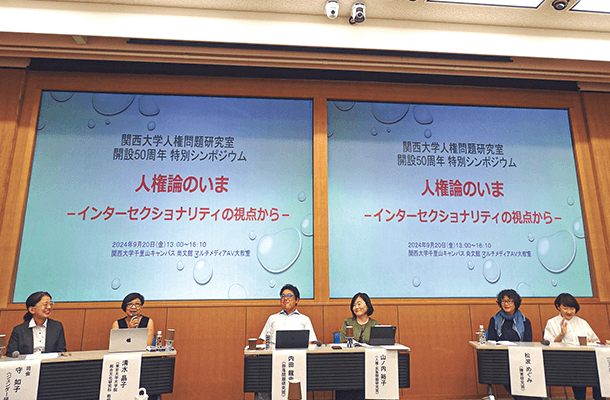
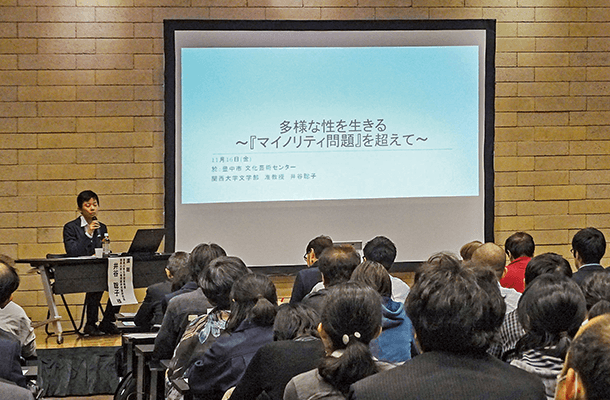
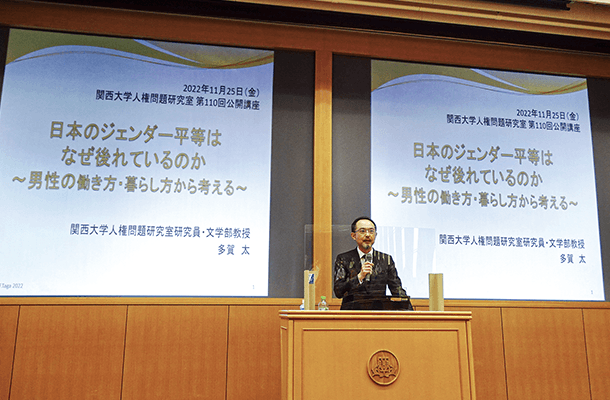
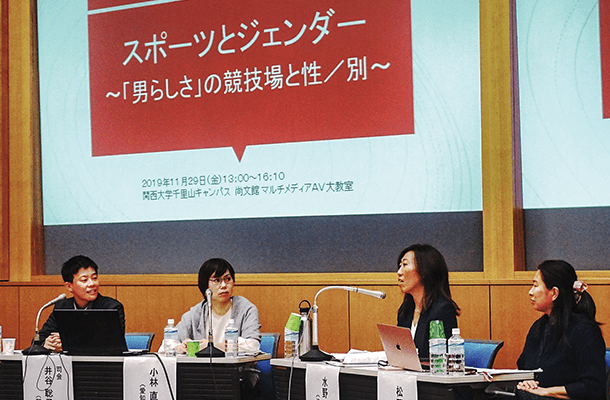
1985年6月、人権問題研究室に改組し、部落問題、人種・民族問題、障害者問題(現・障害)、女性問題(現・ジェンダー)の4研究班制となった。女性問題研究班は2008年度にジェンダー研究班へ名称を変更している。幹事を務める酒井教授は、その活動について「各班では年2回の研究学習会を行っており、人権問題研究室全体では年間8回になります。学生が参加したり、オンラインで視聴したりできる機会もあります。研究成果は年2回発行する紀要で発表するほか、人権問題研究室全体で、学外にも開かれた公開講座を年4回開催しています」と話す。こうした研究活動の一つとして、女性問題研究班の時代から続いてきたのが、関大生のジェンダー意識を捉える調査だ。
Establishing the First Institute of Its Kind at a Private University
The Institute of Human Rights Studies researches and investigates discrimination in Japan and abroad. Its aim is to secure fundamental human rights within and beyond the university and to advance education and research in support of that goal. Its predecessor, the Institute of Buraku Studies, was established in 1974. It was the second university institute in Japan to address human rights and discrimination, and the first at a private university.
In June 1985, it was reorganized as the Institute of Human Rights Studies, with four research groups covering buraku issues, race and ethnicity, issues facing handicapped people (now people with disabilities), and women’s issues (now gender). The Women’s Issues Research Group was renamed the Gender Studies Research Group in the 2008 academic year. Professor Sakai, who serves as secretary, describes the institute’s activities: “Each group holds two research seminars a year, making eight across the institute. There are also opportunities for students to attend or watch online. In addition to publishing our findings in a twice-yearly bulletin, the institute holds four public lectures a year, which are also open to people outside the university.” One of these research activities is the survey of Kansai University students’ attitudes toward gender, which dates back to the Women’s Issues Research Group.
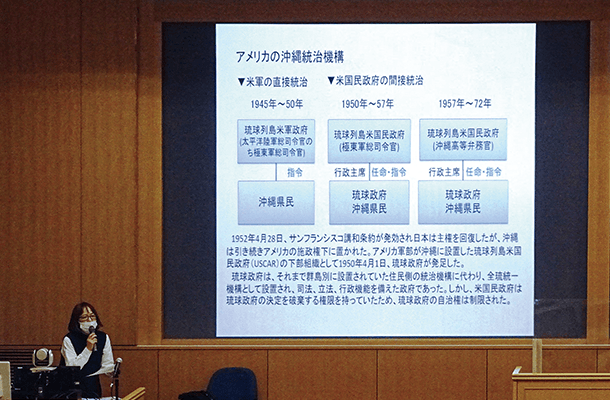
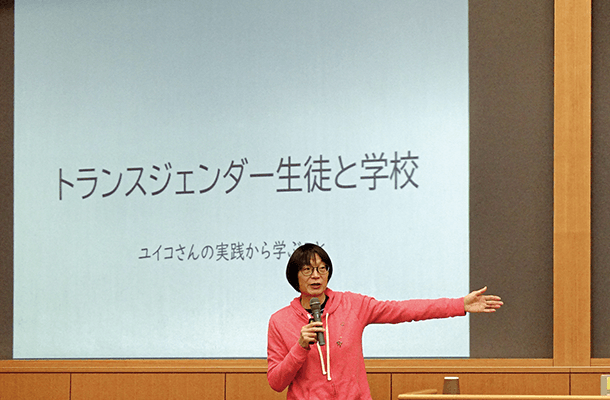
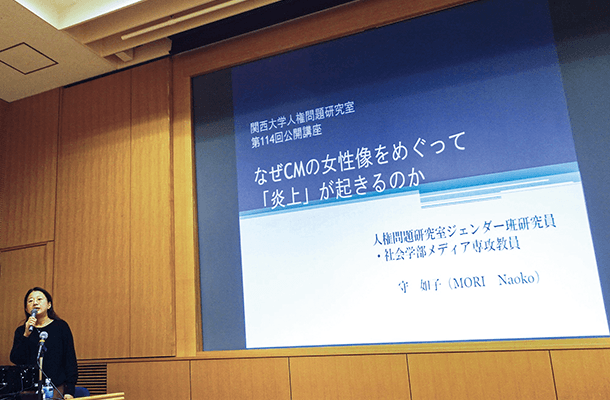
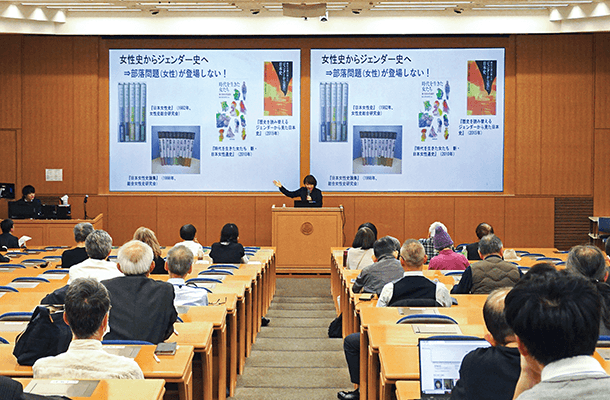
研究活動の一環として行われる公開講座や特別シンポジウム
Public lectures and special symposia as part of the Institute's research activities
時代背景に沿って続けてきた意識調査の変遷
ジェンダー研究班(前身の女性問題研究班を含む)は、1987年、1993年、2002年、2008年、2017年に、関西大学の学生を対象とする意識調査を実施してきた。今秋は9年ぶり、第6回の調査となる。初回の1987年当時、関西大学学部生に占める女性の割合は16.8%だった。「男女雇用機会均等法が1986年に施行され、女性の社会参加を促進する制度改革へと一歩進んだ頃です。しかしその反面、性差別的な思考・行動様式などが日常生活で今以上に強かった時代。その中で、学生の性役割意識の実態や、それが日常生活に与える影響を探ることを主目的として調査を開始したようです」と多賀教授は話す。
その後1990年代以降は、育児休業法成立、男女共同参画社会基本法、DV防止法の成立など、男女平等をめぐる制度整備が進んだ。社会状況が変化する中、過去の調査結果と比較しながら学生たちの意識の変化を捉えられることに、調査を継続する意義がある。
調査は、大学教育にもつながってきた。そのひとつに挙げられるのが、ジェンダー関連科目の開講だ。2000年代になると前身の女性問題研究班研究員が2年ごとの期間限定科目として女性問題関連科目を開設するようになり、2008年度には共通教養科目「現代社会とジェンダー」「ジェンダーで読み解く戦争」(2020年度まで)が常設開講に、続けて複数学部でもジェンダー関連の専門科目が開設された。学生の実態に即した意識を把握する調査を通じて、関連科目常設の必要性を示すことができたことが後押しの一つになったといえる。更に2022年度からは、共通教養科目「現代社会とセクシュアリティ」が新設されたことも、大きな成果となった。
調査内容も時代に合わせて変化してきた。2008年の第4回から研究テーマの名称を「大学教育と女性」から「大学教育とジェンダー」に変更。2017年の第5回では、従来の性別役割分業観や結婚観などに加え、男性の抱える問題や性の多様性、デートDVに関する設問などを新たに設けた。継続して比較する項目を残しながら、その時々の課題を設問に取り入れることで、関大生の「今」を捉えてきた。
How the surveys have evolved with the times
The Gender Studies Research Group and its predecessor, the Women’s Issues Research Group, conducted surveys of Kansai University students’ attitudes in 1987, 1993, 2002, 2008, and 2017. This fall’s survey will be the sixth, and the first in nine years. At the time of the first survey in 1987, women made up 16.8% of Kansai University’s undergraduates. “The Act on Equal Opportunity and Treatment between Men and Women in Employment had come into force in 1986, marking a step toward institutional reforms to encourage women’s participation in society. Yet sexist ways of thinking and behaving were more deeply entrenched in everyday life than they are today. It appears that the survey was launched against this backdrop primarily to explore students’ attitudes toward gender roles and how those attitudes affected their daily lives,” says Professor Taga.
From the 1990s onward, the legal framework for gender equality developed further with the enactment of the Act on Childcare Leave, Caregiver Leave, and Other Measures for the Welfare of Workers Caring for Children or Other Family Members; the Basic Act for Gender Equal Society; and the Act on the Prevention of Spousal Violence and the Protection of Victims. As society changes, continuing the surveys makes it possible to track shifts in students’ attitudes by comparing the findings with earlier results.
The surveys have also helped shape education at the university. One example is the introduction of courses on gender. In the 2000s, members of what was then the Women’s Issues Research Group began offering a series of courses on women’s issues for limited two-year periods. In the 2008 academic year, “Contemporary Society and Gender” and “War and Gender” became regular general education courses, with the latter running until the 2020 academic year. Several faculties subsequently introduced specialized courses on gender. By documenting students’ attitudes in the context of their lives, the surveys helped make the case for offering these courses regularly and appear to have contributed to their introduction. Another major achievement was the introduction of the general education course “Contemporary Society and Sexuality” in the 2022 academic year.
The content of the surveys has also changed over the years. With the fourth survey in 2008, the research theme changed from “University Education and Women” to “University Education and Gender.” The fifth survey, in 2017, added questions on issues facing men, sexual diversity, and dating violence to the existing questions on the division of roles between men and women, views on marriage, and other topics. By retaining questions for comparison over time while adding others that address the issues of the day, the surveys have captured the realities of life for Kansai University students at each stage.
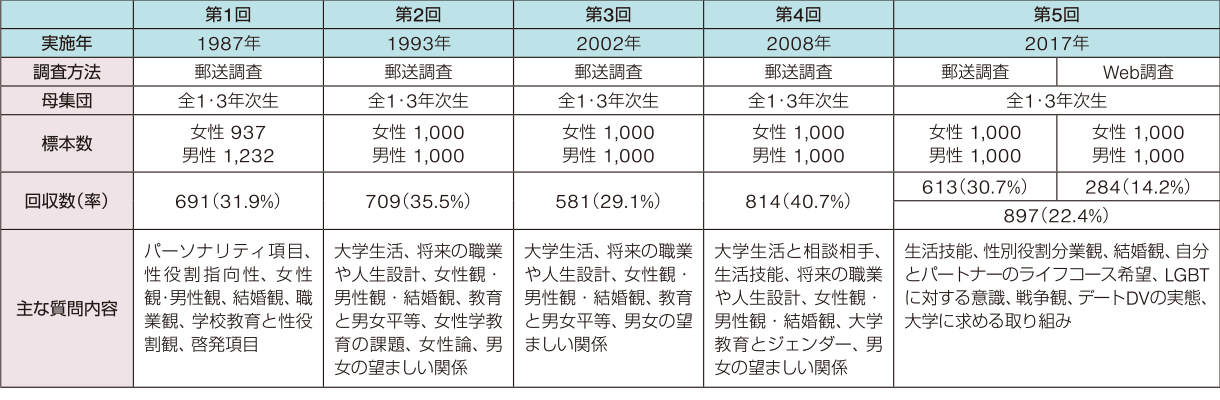
●関西大学学生のジェンダー意識調査(第1回から第5回までの調査概要)
Kansai University Student Survey on Gender Attitudes: Overview of Surveys 1-5
9年ぶりの調査で、学生の「今」を捉える
9年ぶりとなる今回の調査では、設問も社会や学生を取り巻く状況に合わせて見直した。「社会ではあからさまな女性差別も減少し、本学でも学生の女性が占める割合も増えました。その反面、セクシュアリティやジェンダーアイデンティティをめぐって周囲との差異を感じ、大学で学びづらい、相談しづらい……そういった新たな問題があるだろうと考えます。そうした問題の具体的な内容も丁寧に拾い上げられる設問にしました」と酒井教授。
これまで調査結果は、女性問題・ジェンダー関連科目の開講や、学生のニーズに沿った授業内容を検討するための基礎資料として活用されてきた。今後は学生の実際の声を教職員とも共有し、ジェンダーをめぐる課題への理解を深め、学生への支援や教育のあり方を考えるきっかけにもしたいという。
回答方法も変わる。2017年の前回調査は郵送とWEBを併用したが、今回は大学のポータルサイト「インフォメーションシステム」を活用し、全1・3年次生を対象に回答を受け付ける。
「この意識調査では『関大生の意識を知る』ということが最大の目的です。もちろん全国調査は母集団が大きく回収率も高いですが、関大生が全国平均と同じとは限りません。我々がいつも接している、授業で相対している学生たちの現状を知ることが重要だと考えます。学生たちが現状抱えている問題に耳を傾ける。そして大学はどう対応できるのか、何をすべきかということを考える、良い機会になるはずです」と多賀教授。
「ジェンダーの問題は、マイノリティだという自覚がある人だけの問題ではありません。身の回りで友達や家族が悩んでいたり、困難を抱えている場合もあるでしょう。あなたの仲間が発言を躊躇したり、ここには居場所がないと思いながら、同じキャンパスを共有しているかもしれません。誰もがこの問題の当事者なのです。自分も問題に関わっていく一人として、ぜひ積極的に回答してほしいですね」(酒井教授)
Understanding students today: The first survey in nine years
For this survey, the first in nine years, the questions have been revised to reflect changes in society and students’ circumstances. “Overt discrimination against women has declined in society, and the proportion of women among our students has also increased. At the same time, we believe new problems may have emerged. Students who feel different from those around them in terms of sexuality or gender identity may find it difficult to study at university or seek advice. We’ve designed the questions to explore the specifics of these problems with care,” says Professor Sakai.
The survey findings have provided a basis for introducing courses on women’s issues and gender, and for considering how course content can meet students’ needs. The group also hopes to share students’ own voices with faculty and staff to deepen their understanding of gender issues and encourage discussion about how the university supports and educates its students.
Students will also have a new way to respond. Whereas the previous survey in 2017 accepted both postal and online responses, this survey will use the university’s Information System portal and invite responses from all first- and third-year students.
“The main purpose of this survey is to understand the attitudes of Kansai University students. Of course, national surveys cover larger populations and achieve higher response rates, but our students’ views do not necessarily match the national average. We believe it is important to understand the circumstances of the students we interact with every day and teach in our classrooms. We need to listen to the problems students face today. The survey should provide a valuable opportunity to consider how the university can respond and what it should do,” explains Professor Taga.
“Gender issues do not concern only those who see themselves as belonging to a minority. Friends or family members around you may be struggling or facing difficulties. Your peers may be sharing the same campus while hesitating to speak up or feeling that they have no place here. These issues concern every one of us. I hope students will take an active part in the survey, recognizing that they too have a role in addressing these issues,” says Professor Sakai.
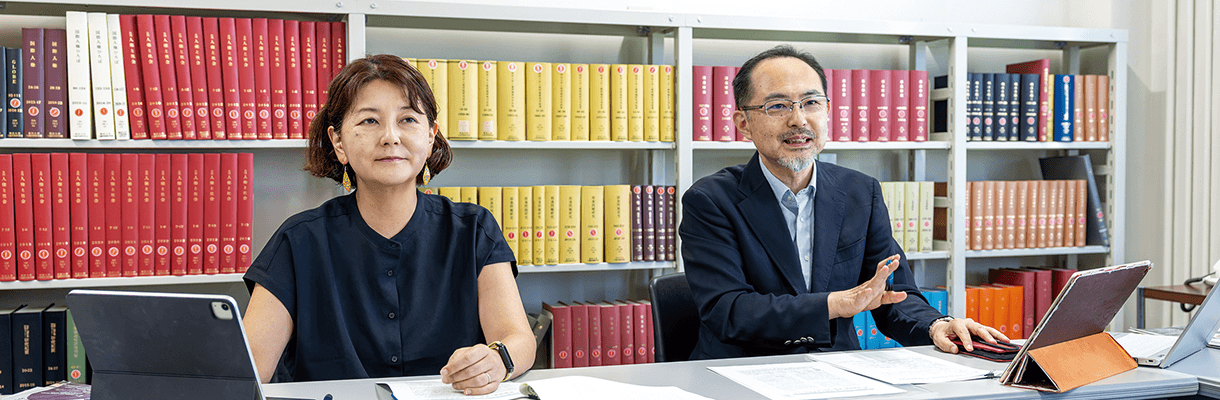
-

ジェンダー、人権問題の
理解を深めるガイドブック
Guidebooks on gender and
human rights issues -
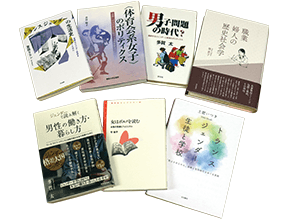
ジェンダー研究班の
教員による著書
Books authored by members of the
Gender Studies Research Group -
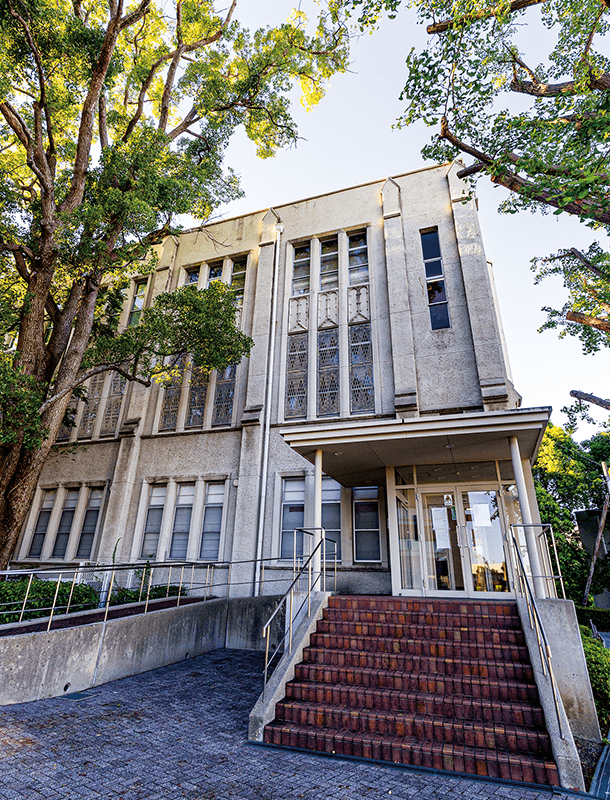
人権問題研究室 外観
Exterior of the Institute of
Human Rights Studies