 No.85
No.85
国際化政策論の研究
Research on Internationalization Policy
国際協力活動における理論と実践のリンケージ
支援の現場で学ぶ実践型プログラムを確立
Bridging Theory and Practice in International Cooperation :
Establishing a Service-Learning Program through Field-Based Support Activities
国際部
澤山 利広 教授
Division of International Affairs
Professor Toshihiro Sawayama
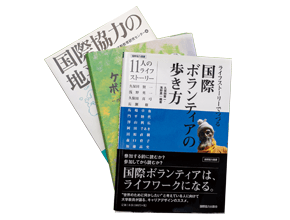
澤山教授の著書・共著
Books authored by Professor Sawayama
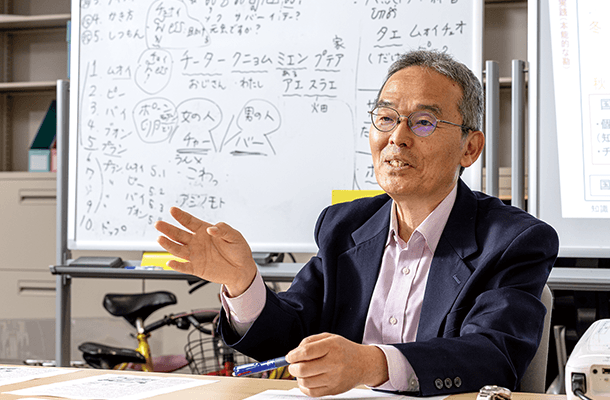
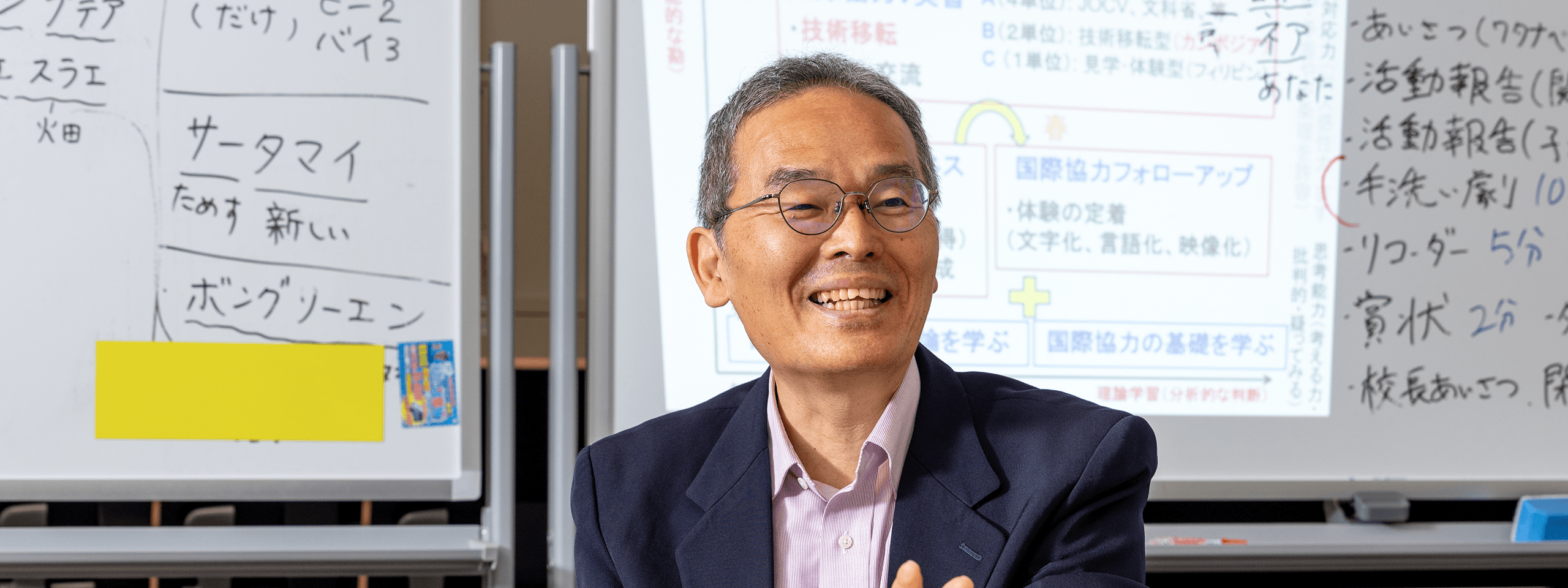
戦争や紛争、自然災害、感染症、貧富格差の拡大など、国境を越えた地球規模の課題は後を絶たない。こうした国際情勢の中、日本の国際協力・国際支援の役割はますます重要性を増している。国際部(副部長・欧州センター長)の澤山利広教授は、ブータンでの青年海外協力隊(現・JICA海外協力隊、以下「JOCV」)の活動を原点に、大地震の被害を受けたトルコでの国際緊急援助隊やアルメニアでの選挙監視など多くの現場に立ち続けてきた。関西大学では「国際協力サービスラーニングプログラム」科目群を担当し、学内の国際化を推進するとともに、支援活動を通じて学生が社会人基礎力や国際社会で生き抜く力を身に付け、グローバルイシュー解決に貢献する人材育成を担っている。
Global issues that transcend national borders including wars and conflicts, natural disasters, infectious diseases, and widening socioeconomic disparities, continue to pose significant challenges to the international community. In light of these global circumstances, Japan's role in international cooperation and development assistance is becoming ever more important.
Professor Toshihiro Sawayama, Vice Dean of International Affairs and Director of the Kansai University European Centre, has long been committed to fostering international cooperation through education, research, and global engagement. His dedication to international cooperation traces its roots to his service as a Japan Overseas Cooperation Volunteer (JOCV) in Bhutan. Since then, he has worked on the front lines of numerous international initiatives, including deployment with the Japan Disaster Relief Team following the devastating earthquake in Türkiye and participation in election observation missions in Armenia.
At Kansai University, Professor Sawayama teaches courses in the International Cooperation Service-Learning Program and serves as a key leader in the university’s internationalization efforts. Through experiential learning and practical engagement in international cooperation activities, he empowers students to develop essential professional skills, intercultural competence, and resilience. By bridging academic learning with real-world experience, he fosters the next generation of globally minded leaders capable of addressing pressing global challenges and contributing to international development and cooperation.
2つの原体験が導いた国際支援研究
専門分野について教えてください。
専門は開発経済学です。個人的には国際化政策論とも位置付けています。途上国を支援する国際協力と、国内も含めた被災地支援に関心があり、海外と国内の経験を互いに生かせる循環型支援政策の研究に取り組んでいます。
研究を始められたきっかけは何だったのでしょうか?
原点は2つの体験にあります。1つは、大学卒業後にJOCV隊員としてブータンで2年3カ月ほど活動したこと。大学時代からバックパッカーとして世界各国を旅するなど海外に興味がありました。ブータンでは、ブータン王立大学の学生を対象にスポーツ指導をしました。ちなみに現在、ブータン王立大学は関西大学の協定校です。一般に途上国の学校教育では、国語や数学などの主要科目が優先され、体育や音楽などの情操教育は後回しにされがちです。日本の国際協力の特徴の1つは、こうした情操教育の充実に向けた取り組みです。「幸せの国」と言われるブータンですが、当時は乳幼児死亡率も高い最貧困国です。現地の大学生たちは、自国の将来を真剣に考え、真摯に学びに向き合っていました。その姿勢を目の当たりにして、自分自身の生き方を考え直し、もう一度勉強して国際協力の専門家になりたい。困難に直面している人々を支援したいと思ったことが出発点です。
もう1つの原点は何ですか?
もう1つは、阪神・淡路大震災です。JOCVでの活動を終えて帰国し、大学院に進学した翌年、1995年1月に阪神・淡路大震災が起きました。その翌日から8月頃まで、芦屋や神戸で支援物資輸送などのボランティア活動を続けました。国内における被災地支援の重要性に目を開かれたこの経験が2つ目の原点です。2023年2月のトルコ・シリア地震では、JICA国際緊急援助隊の医療コーディネーターとして、トルコで活動しました。
Two Formative Experiences That Led to a Career in International Assistance Research
Tell us about your area of specialization.
My specialty is development economics. Personally, I also regard it as internationalization policy theory. I am interested in international cooperation to support developing countries and in providing assistance to disaster-stricken areas, including in Japan, and I’m engaged in research on cyclical assistance policies in which overseas experience is applied domestically and vice versa.
What inspired you to begin your research?
My interest in this field stems from two formative experiences. The first was my service as a member of JOCV in Bhutan for approximately two years and three months after graduating from university. Even during my student years, I was fascinated by the wider world and traveled extensively as a backpacker, which sparked my interest in international affairs and cross-cultural engagement.
In Bhutan, I provided sports instruction to students at the Royal University of Bhutan, the country’s only university at the time. Incidentally, the Royal University of Bhutan is now one of Kansai University’s partner institutions, making this connection particularly meaningful to me. In many developing countries, limited educational resources are often directed toward core subjects such as language and mathematics, while physical education, music, and other forms of holistic education tend to receive less attention. One distinctive feature of Japan’s international cooperation has been its emphasis on supporting these aspects of education, recognizing their importance in fostering well-rounded personal development and enriching students’ quality of life.
Although Bhutan is often referred to as the “Land of Happiness,” it was then one of the world’s least developed countries, with a high infant mortality rate and many development challenges. What impressed me most was the attitude of the university students I met there. They were deeply committed to learning and genuinely concerned about the future of their country. Witnessing their dedication prompted me to reflect on my own life and aspirations. It inspired me to return to academic study, pursue a career as a specialist in international cooperation, and devote myself to supporting people facing difficult circumstances. That experience became the starting point of my academic and professional journey.
What was the other starting point?
The other starting point was the Great Hanshin-Awaji Earthquake. In January of 1995 - the year I returned to Japan after completing my JOCV activities and entered graduate school - the Great Hanshin-Awaji Earthquake occurred. The very next day I signed up to participate in volunteer activities, such as transporting relief supplies in Ashiya and Kobe, and continued until around August. This experience, which opened my eyes to the importance of disaster support in Japan, was what provided the second starting point for me. After the earthquake that hit Turkey and Syria in February 2023, I joined the JICA Japan Disaster Relief Team in Turkey in the role of medical coordinator.
-
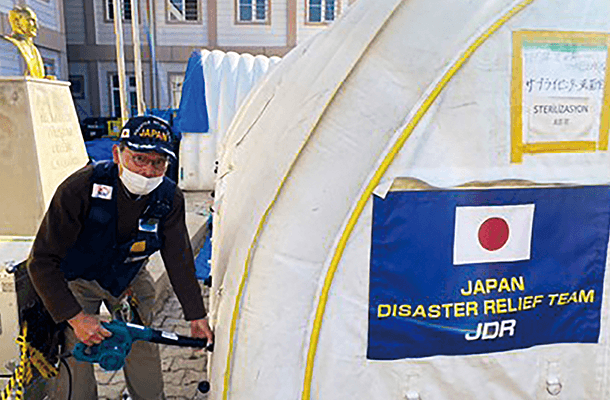
トルコ・国際緊急援助隊での
病棟テントメンテナンス作業
Ward tent maintenance by the Japan
Disaster Relief Team in Turkey -
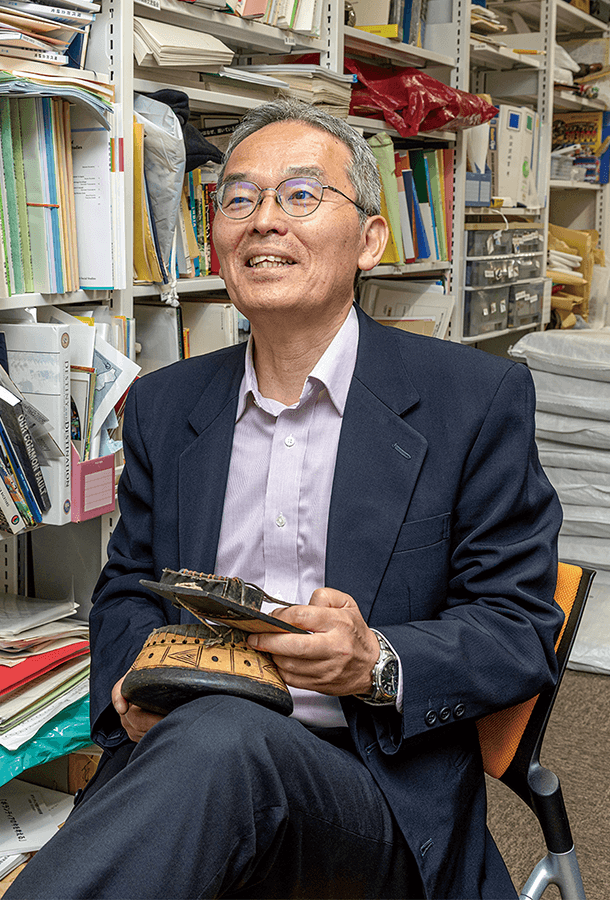
国際協力活動に参加した教員の離職を防ぐ
現在の研究テーマについて教えてください。
長期の海外ボランティアと短期のサービスラーニングの相互補完が研究テーマです。JOCV活動と学生の短期国際協力ボランティア活動を連携させることで、それぞれの活動の質的向上を目指す研究です。
JOCVは2年間にわたる長期の活動ですが、教員が休職して隊員となり、帰国後に復職した「OV教員」の離職率が高い点に着目しました。海外で得た経験を教育現場に十分に還元することなく、離職してしまうのは大きな損失です。OV教員の離職を防ぐためのキャリア形成サポートシステムを構想し、まずは対面インタビューとアンケート調査を実施しました。全国の現役隊員、OV教員、離職したOV教員ら100人以上から、派遣期間中の気持ちの変化や帰国後の適応状況、離職原因などを聞き取り、離職後のキャリアの事例も収集しました。調査の結果、主な離職原因は労働環境や待遇への不満もありましたが、意外だったのは、海外での経験や培ったスキルを評価してくれる理解者が職場に1人でもいれば、離職を防ぐことができた可能性があるという点です。
Preventing Teacher Volunteers from Leaving the Profession
Could you tell us about your current research?
My current research focuses on the complementary relationship between long-term international cooperation volunteering and short-term service-learning programs. Specifically, I examine how collaboration between the JOCV program and students’ short-term international volunteer activities can enhance the effectiveness and educational value of both.
The JOCV program involves overseas assignments of approximately two years. In my research, I became particularly interested in the relatively high attrition rate among teachers who take a leave of absence from their schools to serve as JOCV members and later return to the teaching profession. These individuals, often referred to as former volunteer (OV) teachers, possess valuable international experience and skills. When they leave the profession without fully applying those experiences in educational settings, it represents a significant loss for both schools and society.
To address this issue, I developed a concept for a career support system designed to help former volunteer teachers successfully reintegrate into their professional careers. As a first step, I conducted in-depth interviews and questionnaire surveys involving more than 100 participants, including active JOCV members, former volunteer teachers who had returned to teaching, and those who had subsequently left the profession. The study explored changes in their perspectives during overseas service, their experiences of readjustment upon returning to Japan, and the factors that contributed to their decisions to remain in or leave the profession. I also collected case studies of their post-service career trajectories.
The findings revealed that dissatisfaction with working conditions and employment was a major factor behind teachers' decisions to leave. However, one particularly unexpected finding was that attrition might have been prevented if returning teachers had even a single colleague or supervisor who understood and valued the experiences and skills they had gained overseas. This suggests that professional recognition and institutional support can play a crucial role in helping former volunteers continue their careers and contribute their international expertise to the educational community.
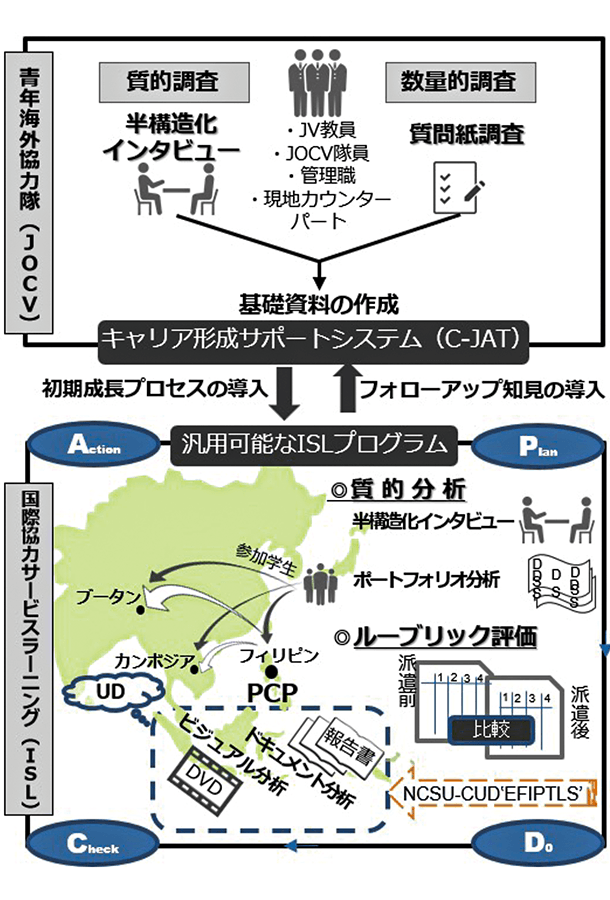
JOCVと国際協力サービスラーニングの連環
Linking JOCV with international
cooperation service learning
リアルな現場で国際協力の本質を実感
JOCV隊員と学生たちの活動をどのように連携させたのでしょうか?
学生を対象とした短期の国際協力サービスラーニングは、ボランティア活動を中核に事前研修と事後の振り返りで構成されたプログラムです。コロナ禍以前には、フィリピンをはじめとする地域で、情操教育協力活動の一環として、子どもたちにリコーダーを教える教授メソッドを整えました。コロナ禍以降は、活動をカンボジアにも広げ、神戸市から派遣されたJOCVの小学校教諭と協働しながら、現地の小学生にリコーダー指導や公衆衛生指導などを行っています。参加学生は、隊員と連携することで単なる見学・体験にとどまらず、リアルな技術協力の最前線で、さまざまな能力や知識、行動力を身に付けることができます。一方で現地の隊員は学生たちとの協働で、より多くの児童を対象にし、体育祭や文化祭などの大きなイベントを実施することができるのです。
日本の学生の多くは学業だけではなく、クラブ活動でスポーツや音楽などにも取り組む「二本足」の経験を持っており、それが情操教育の支援において力を発揮します。滞在の最終日には、現地の子どもたちによるリコーダーの演奏会を開催します。達成感に溢れた子どもたちや感動した父母、現地の教員や地域の人々から「必ずまた来てほしい」と声を掛けられ、学生たちは国際協力の醍醐味を味わいます。事前に学習した技術移転に必要なカンボジアの公用語・クメール語の日常会話や身振り手振りで臨機応変に奮闘し、成長していく学生の姿を見ることができるのは、私にとっても大きな喜びです。
Experiencing the True Essence of International Cooperation in the Field
How did you integrate the activities of JOCV members and university students?
Our short-term international cooperation service-learning program combines volunteer activities with pre-departure training and post-program reflection. Before the COVID-19 pandemic, we conducted programs in countries such as the Philippines, where we developed a teaching methodology for recorder instruction as part of our efforts to support holistic education.Since the pandemic, we have expanded these activities to Cambodia. There, we collaborate with a Japan Overseas Cooperation Volunteer (JOCV) elementary school teacher dispatched from Kobe City, working together to provide recorder lessons and public health education for local primary school students.
By working alongside JOCV members, participating students gain far more than a brief volunteer experience or cultural exchange opportunity. They engage directly in the realities of technical cooperation on the ground, developing practical skills, knowledge, adaptability, and initiative. At the same time, collaboration with university students enables JOCV members to reach a larger number of children and organize major events such as sports festivals and cultural festivals that would be difficult to implement on their own.
Many Japanese students have what I describe as a “dual-track” background, balancing academic studies with extracurricular activities such as sports, music, or the arts. These experiences prove particularly valuable when supporting holistic education initiatives in developing countries.
On the final day of the program, local children perform a recorder concert to showcase what they have learned. Seeing the children's sense of accomplishment, the emotional reactions of their parents, and hearing local teachers and community members say, “Please come back again,” allows our students to experience the true rewards of international cooperation firsthand.
Before departure, students learn basic conversational Khmer, Cambodia’s official language, as well as communication techniques necessary for effective knowledge transfer. In the field, they combine these skills with creativity, gestures, and determination to overcome language and cultural barriers. Watching them grow through these experiences and gain confidence as global citizens is one of the most rewarding aspects of my work as an educator and researcher.
-
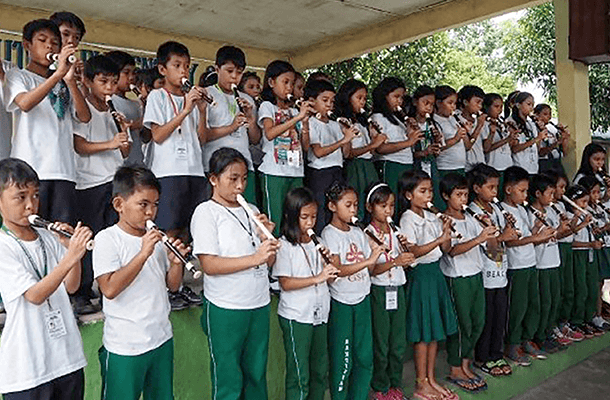
リコーダーの発表会
Recorder recital -
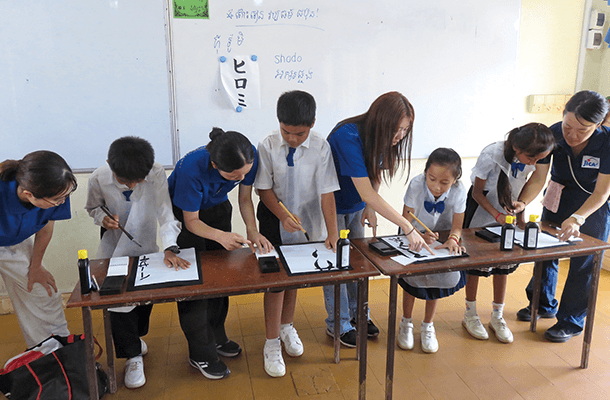
情操教育として習字を子どもたちに教える学生たち
Students who teach calligraphy to children as part of emotional education -
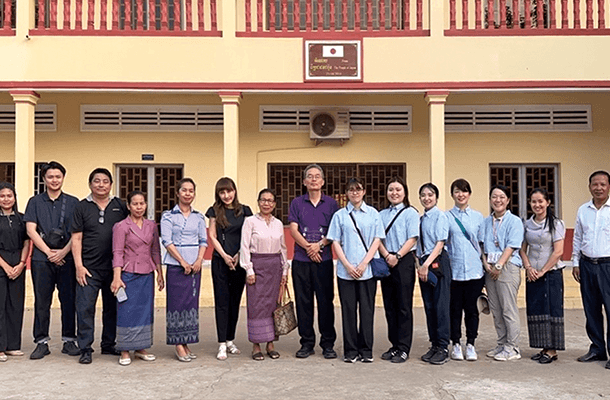
カンボジアのアヌワット小学校で
学生や汗を流した仲間たちと
With friends and colleagues who worked side by side with our students at Anuwat Primary School, Cambodia
関西大学から国際協力文化を発信
この教育プログラムは隊員の教員と学生にどのような効果があるのでしょうか?
学生は、帰国後の報告書作成やプレゼンテーションなどの体験の文字化・言語化・映像化のプロセスを通じて、例えば、文化人類学者クロード・レヴィ=ストロースが『野生の思考』で論じたような、限られた材料や道具を柔軟に組み合わせながら新たな価値を創造する力を身に付けたことを確認します。その過程は、自己と社会の課題を認識し、自らの将来を展望する作業でもあります。実際に、JOCVへの応募や教職を志すようになる学生も少なくありません。
OV教員にとっては、任地における学生等との協働経験が、帰国後の社会還元や、自らのキャリアの継続・発展のモチベーションにもなります。JOCVのシステムとしても、開発成果の最大化を目指す協働と帰国後研修を重視する短期サービスラーニングの手法は、示唆に富むと思われます。
今後、力を入れたい取り組みについても教えてください。
この教育プログラムを社会人のリカレント教育にも展開したいと考えています。大学が行う国際協力活動には、学外の関係者のお力添えが不可欠です。これからも学生たちや産官学民の連携で、対等なパートナーシップによる国際協力を続け、その文化を関西大学から社会に発信していきたいです。
Sharing a Culture of International Cooperation from Kansai University
What impact does this educational program have on both volunteer teachers and students?
For students, the learning process does not end when they return home. Through writing reports, giving presentations, and documenting their experiences through written, visual, and digital media, they reflect critically on what they have learned. In doing so, they develop the capacity to create new value by creatively combining limited resources and opportunities—a concept reminiscent of what anthropologist Claude Lévi-Strauss described as bricolage in his influential work The Savage Mind. This process also encourages students to reflect on both social challenges and their own future aspirations. Many participants gain a deeper sense of purpose through the program, and it is not uncommon for them to go on to apply for the JOCV program or pursue careers in education and international cooperation.
For former volunteer teachers, collaboration with university students during their overseas assignments can provide a strong source of motivation for continuing their professional development and contributing to society after returning to Japan. These experiences reinforce the value of their international service and help them envision pathways for applying their knowledge and skills in their subsequent careers. From the perspective of the JOCV system itself, the service-learning approach offers valuable insights. Its emphasis on collaboration, maximizing development outcomes through partnerships, and structured post-program reflection aligns closely with the broader goals of sustainable international cooperation and human resource development.
What initiatives would you like to focus on in the future?
Looking ahead, I hope to expand this educational model beyond university students and apply it to recurrent education and lifelong learning opportunities for working professionals.
International cooperation activities undertaken by universities depend heavily on the support and collaboration of partners outside academia. Therefore, I would like to continue promoting international cooperation based on equal partnerships among students and stakeholders from government, industry, academia, and civil society.
My hope is that, through these collaborative efforts, Kansai University can continue to foster and share a culture of international cooperation with the broader society, inspiring more people to engage in addressing global challenges through mutual learning and partnership.
-
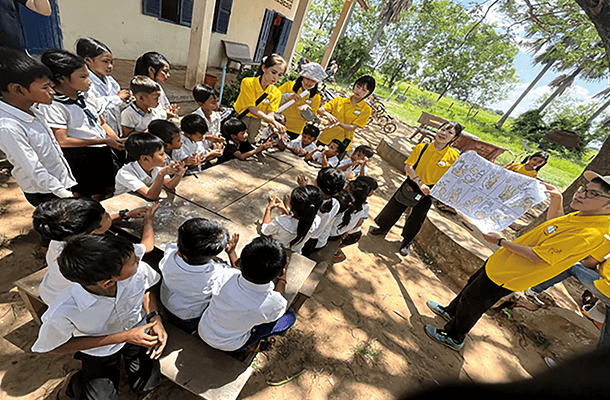
サラヤ株式会社と連携した手洗い指導
Handwashing instruction in cooperation with Saraya Co., Ltd. -