

 No.83
No.83

世界を魅了する日本アニメーションの歴史と未来をひもとく研究
Exploring the Past and Future of Globally Captivating Japanese Animation
日本のアニメーションは国境を越えてゆく
──戦時中からたどる歴史に隠された日仏の共通点を浮き彫りに
Japanese Animation Crosses Borders
Revealing Hidden Japan-France Parallels through a History Traced from the Wartime Era
社会学部
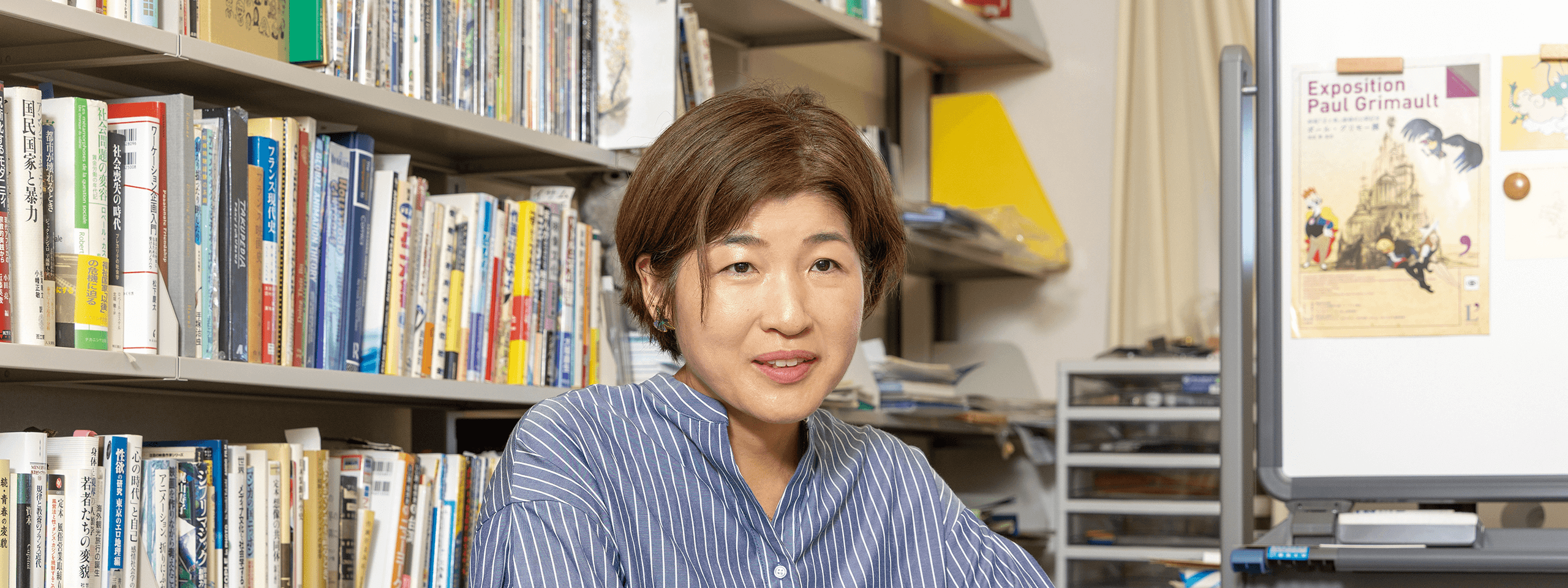
雪村 まゆみ 教授
Faculty of Sociology
Professor Mayumi Yukimura
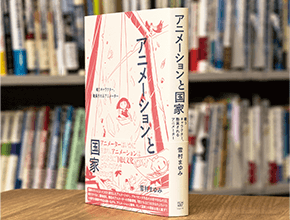
雪村教授の著書
Books authored by Professor Yukimura
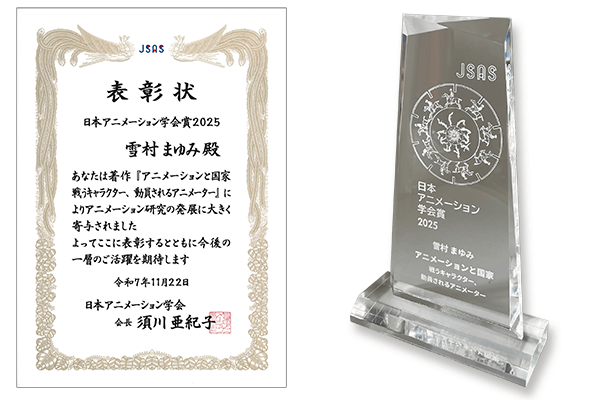
日本のアニメーションは今や国内だけにとどまらず、世界中の人を魅了するグローバルコンテンツとなった。社会学部の雪村まゆみ教授は、戦時中に組織化されたアニメーション制作の現代における問題点や、遠く離れたフランスで制作されていた作品とのかかわりなど、独自の研究をまとめた『アニメーションと国家─戦うキャラクター、動員されるアニメーター』を2025年3月に出版。このたび日本アニメーション学会賞を受賞した。先行研究が少なかったこの分野を選んだきっかけや、研究にかける思いを聞いた。
Japanese animation has grown beyond domestic audiences to become a global cultural force that captivates viewers around the world. Professor Mayumi Yukimura of the Faculty of Sociology published Animation and the State: Fighting Characters, Mobilized Animators in March 2025. The study illuminates present-day challenges rooted in the wartime institutionalization of animation production and unexpected links to works produced far away in France. The book was recentry honord with the Japan Society for Animation Studies Award. We asked her what led her to choose this under-explored field and what drives her research.
戦時下に生まれた日本初長編アニメーション
日本アニメーション学会賞の受賞おめでとうございます。この分野の研究を始められたきっかけを教えてください。
ありがとうございます。もともと戦争や文化遺産など文化社会学を研究する中で新しい文化がどのように生まれたのか、ということに興味がありました。「なぜ日本のアニメーションは世界でここまで人気があるのか?」そして「どのようにして日本のアニメーションが作られるようになったのか?」という好奇心が出発点でした。
実はその始まりは戦争と非常に深いかかわりがあります。第二次世界大戦前からトーキー・アニメーションと称されるアメリカのディズニー作品などは世界中の映画館で上映されていましたが、当時の日本では個人作家によって短編作品が細々と制作されている状況にありました。しかし戦時中は言葉の壁を克服する表現様式や大衆性というアニメーションの2大要素を重視して国が出資します。そして、映画会社の組織的体制を国が管理し制作にも関与して、真珠湾攻撃をテーマにした『桃太郎の海鷲』や、手塚治虫にも影響を及ぼした『桃太郎 海の神兵』といった長編作品を作らせたのです。しかし長編の制作が実現したからといって、戦争を正当化してはいけないということを強調したいです。
同時期のフランス制作アニメーションにも注目されていますね。
フランスでも戦時中に国家予算を用いてアニメーションが作られたという共通点がありました。特にヨーロッパではアニメーション発祥国とされており、エミール・コールやエミール・レイノーが初期のアニメーション作家として再認識されました。技術的に進んだ作品でその地位を確固たるものにするという考えがあり、国家がアニメーターの養成を支援し、組織的制作が実現しました。
日本も古来の絵巻物や歌舞伎、浄瑠璃がアニメーションの起源だという評論がありました。そういった自国文化の発展という考えが原点にあって、アニメーションの起源が自国の文化にあるという考え方が台頭したことは日仏の共通点と言えます。
Japan’s first feature-length animation born under wartime conditions
Congratulations on receiving the Japan Society for Animation Studies Award. What led you to begin research in this field?
Thank you very much. My background is in cultural sociology, particularly the study of war and cultural heritage, and I’ve long been interested in how new forms of culture emerge. I began out of curiosity with regard to two simple questions: “Why is Japanese animation so popular worldwide?” and “How did Japanese animation come to be made in the first place?”
The truth is that animation’s beginnings in Japan are deeply intertwined with war. Before World War II, American “talkie animations,” such as works from Disney, were screened in theaters around the world. In Japan, however, only small independent artists were producing short films on a limited scale. But during the war, the government invested in animation, recognizing two key strengths: its ability to overcome language barriers and its mass appeal. The state also centralized and managed film-studio structures and even intervened directly in production, resulting in feature-length works such as Momotaro’s Sea Eagle, which focused on the attack on Pearl Harbor, and Momotaro: Sacred Sailors, which later influenced Osamu Tezuka. I want to emphasize that the achievement of creating feature-length films must not serve to justify war.
You also highlight animation produced in France during the same period.
In a notable parallel, France, too, produced animation with national funding during the war. Europe is often cited as the birthplace of animation, and early animators such as Émile Cohl and Émile Reynaud have been rediscovered and reevaluated. There was a strong belief in establishing animation’s prestige through technically advanced works, and the state supported animator training and organized production systems.
In Japan, some critics pointed to traditional picture scrolls, kabuki, and joruri as the origins of animation. The idea that a nation’s own culture should serve as the foundation for modern animation emerged in both countries, along with a desire to define animation’s origins within one’s own cultural heritage. This shared mindset is one of the similarities between Japan and France.
-
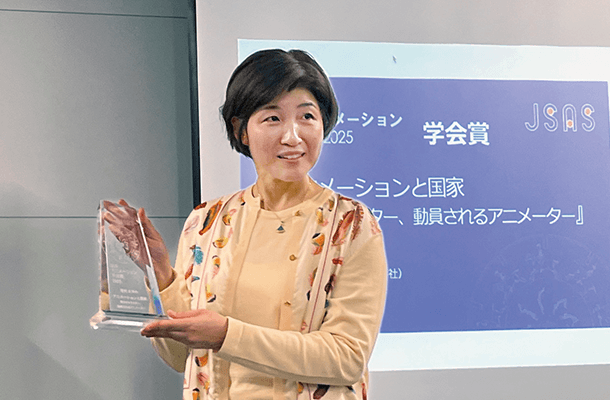
新千歳空港で実施された
「日本アニメーション学会賞」贈賞式
Japan Society for Animation
Studies Awards Ceremony -
フランス現地で日本との関係性に迫る
フランスのアニメーションについては現地で調査もされたそうですね。
初訪の2008年にパリのシネマテーク・フランセーズ(Cinémathèque française)へ行きました。日本では戦時中の映画に関する資料は焼却されてほぼ残っていません。しかしこの施設内の図書館には戦時中の資料も残されており、興味深いものを多数見つけることができました。
またその後の研究で戦後、特に1970年代からは『ドラゴンボール』や『聖闘士星矢』『キャンディ♡キャンディ』などの日本アニメーションがフランスで数多くテレビ放映されたものの、自国作品を保護する動きによって放映が減り、ファンが原作の漫画を通して組織化し、ジャパンエキスポの前身となるイベントが開催されたことも分かりました。
そこで2025年は1カ月ほどフランスに滞在し、パリにある有名な漫画喫茶「MANGA CAFÉ V2」のほか、国公立図書館や書店、漫画専門店などを訪れました。もともとフランスはバンド・デシネ(フランス語圏の漫画)文化があるのですが、並んでいる漫画の数は日仏作品が拮抗。『SPY×FAMILY』や『推しの子』といった近年の作品もスピーディに翻訳され、ほぼリアルタイムで店頭に並んでいて驚きました。
スタジオ・ジブリとフランス作品の関係性にも記述がありました。
スタジオ・ジブリを興した故高畑勲監督は、レ・ジェモー社のポール・グリモーが制作した『やぶにらみの暴君』をきっかけにアニメーションの世界へ足を踏み入れたと公言しています(現在は、この改作となる『王と鳥』が視聴できる)。宮崎駿監督もまた、それまでのアニメーションは水平方向の動きしかなかったのが、同作品では垂直的空間表現によって描かれていることを新鮮に捉えました。宮崎監督が手掛けた『アルプスの少女ハイジ』や『ルパン三世 カリオストロの城』などの表現法と共通するものです。
また2023年公開の『君たちはどう生きるか』には、『王と鳥』の象徴でもある塔や鳥が同じように登場します。さらに驚くのはフランス語版タイトル。『Le Garçon et le Héron』を訳すと「少年と青サギ」となり、高畑監督が敬愛した『王と鳥』を意識したタイトルなのでは? と気付き、ぜひ書き記しておきたくなったのです。
Visiting France site to explore its ties with Japan
You also conducted on-site research in France on French animation.
On my first visit in 2008, I went to the Bibliothèque du Film in Paris. In Japan, almost all wartime film materials were burned and lost. But this library had preserved wartime documents, and I found many fascinating materials there.
Further research revealed that although many Japanese animation series, for example Dragon Ball, Saint Seiya, and Candy Candy, were broadcast widely in France from the 1970s onward, the broadcasts later decreased due to growing efforts to protect domestic productions. As a result, fans began organizing themselves through the original Japanese manga.
In 2025, I spent about a month in France and visited several locations, including the well-known manga café MANGA CAFÉ V2 in Paris, public libraries, bookstores, and specialty manga shops. France already has its own bande dessinée culture, but the number of Japanese and French titles on the shelves was nearly equal. Recent works such as SPY×FAMILY and Oshi no Ko are translated very quickly, appearing in stores almost in real time, which surprised me.
Your book also discusses the relationship between Studio Ghibli and French works.
Isao Takahata, co-founder of Studio Ghibli, openly stated that he entered the world of animation after encountering The Curious Adventures of Mr. Wonderbird (originally La Bergère et le Ramoneur) by Paul Grimault of Les Gémeaux (The revised version, The King and the Mockingbird, is available today). Hayao Miyazaki was also struck by the film’s use of vertical spatial movement, unlike earlier animation, which had relied mostly on horizontal movement. This style aligns with the expressive approaches seen in Miyazaki’s Heidi, Girl of the Alps and Lupin III:The Castle of Cagliostro.
In Miyazaki’s 2023 film The Boy and the Heron, a tower and a bird, both symbols of The King and the Mockingbird, appear in similar form. Even more surprising is the French title, Le Garçon et le Héron (“The Boy and the Heron”). The Japanese original title (Kimitachi ha douikiruka) of The Boy and the Heron is derived from Genzaburō Yoshino's How Do You Live? yet the French title is given as such. I realized that it might be intended as an homage to the film so beloved by Takahata, and I felt compelled to note that connection in my book.

戦時中のフランスアニメーション映画に関する資料のコピー
Copies of materials on French animated films during wartime
-
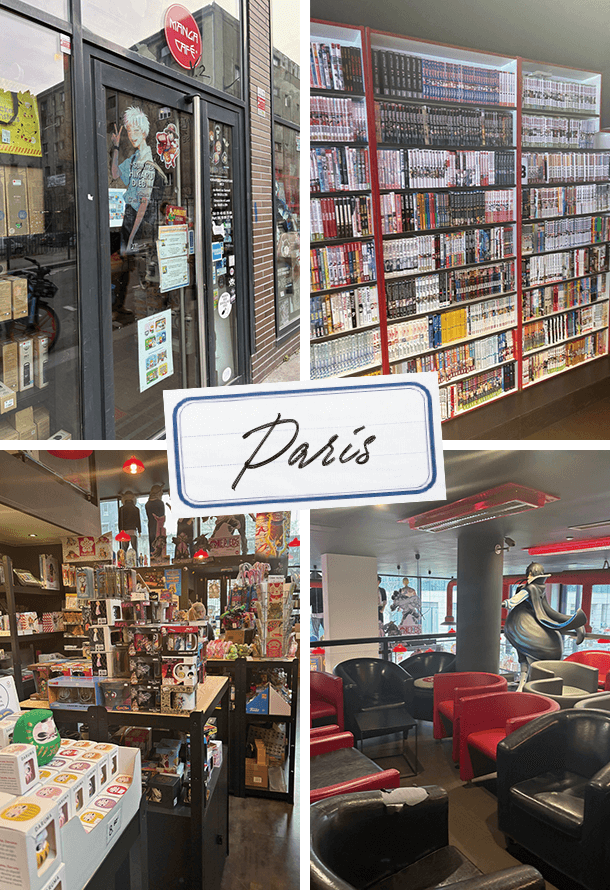
約18,000冊の漫画をそろえた
パリ・13区の「MANGA CAFÉ V2」
MANGA CAFÉ V2 in Paris's 13th,
with 18,000 manga books. -
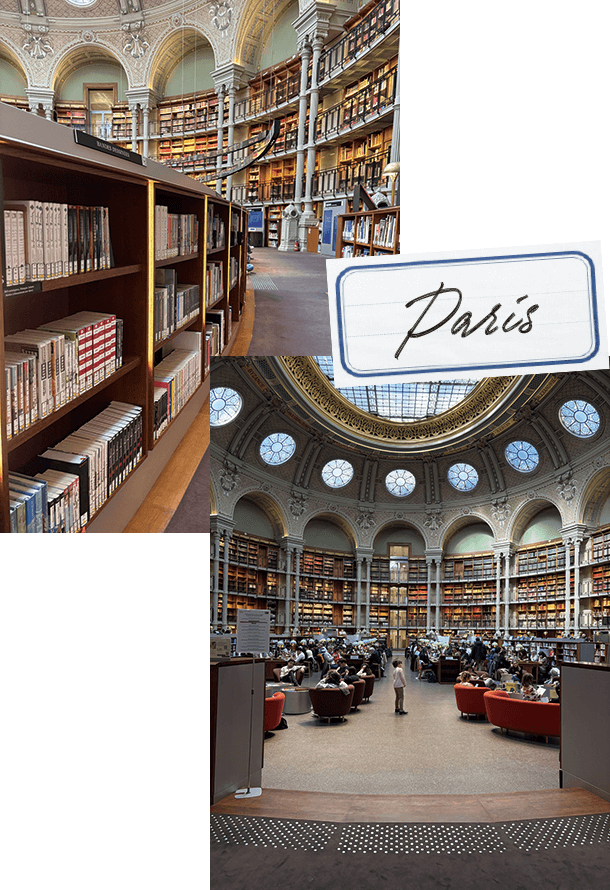
(上)オーバルルームの書棚に並ぶ漫画
Manga collection in iconic Oval Room(下)フランス国立図書館 リシュリュー館の
閲覧室(オーバルルーム)
The Oval Room at the Richelieu site of the Bibliothèque nationale de France. -
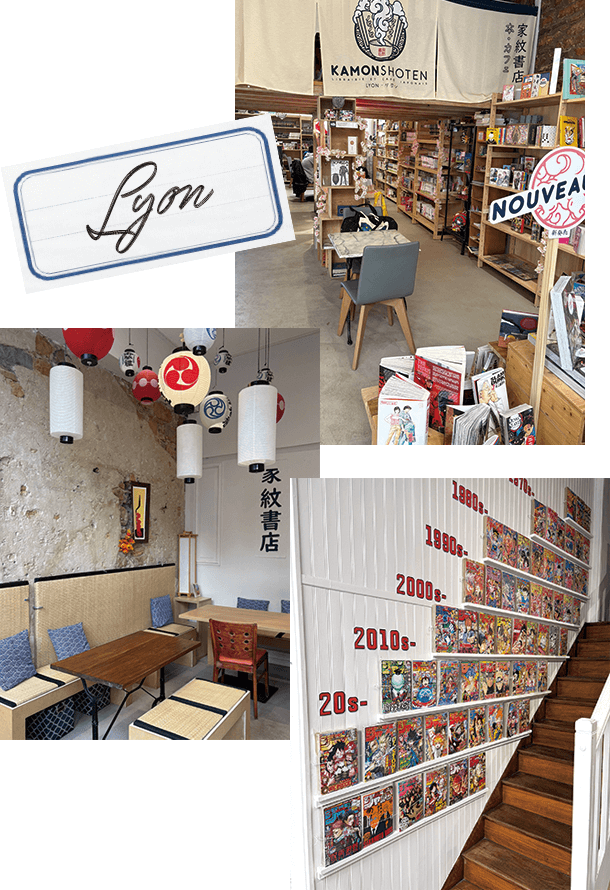
リヨンにある漫画専門店
「kamon shoten–家紋書店」。
日本食を提供するカフェも併設
Kamon shoten – a manga specialty store in Lyon, with an adjoining café serving Japanese food.
今後、日本アニメーションがたどる道とは
現在の業界の状況をどう見られていますか?
作品が大量生産され、ジャンルも多様です。消費者側にとっては歓迎することですが、アニメーターの労働条件の過酷さは国連人権理事会に指摘されるほどです。アニメーションが好きで、制作にかかわりたいと専門学校で学んだアニメーターは年々生まれています。しかし低賃金・長時間労働といった問題が根強くあるこの業界は離職率も高い。予算が潤沢なサブスクリプション作品の台頭により、その改善が期待されています。
また最近の作品は背景を重視する傾向にあり、実在風景をモデルにすることでファンが現地に足を運んで作品世界を体験する聖地巡礼がひとつの大きな市場になっています。日本だけでなく、フランスでも『ハウルの動く城』の舞台といわれるコルマールは人気で、この町では「ヨーロピアン・マンガ&アニメ・ミュージアム」の整備計画が進んでいて2027年の開館を目指しています。そういった経済効果がアニメーターなどに還元されるシステムができれば、業界の活性化と安定につながるのではと考えます。
そして日本のアニメーションは非常に人気がありますが、それが始まったきっかけは戦争だったことや、多数の作品の陰にはアニメーターたちの厳しい労働環境があるという点も知られてほしいと思っています。今回、出版した本がそのきっかけになれば幸いです。
今後の研究のご予定をお聞かください。
日本のアニメーションや漫画が、フランスをはじめ世界でどのように受容されていくのかを研究したいですね。社会学者のエドガール・モランは「大衆文化は国境を越えてゆく」と言っていますが、ボーダーレスに世界を駆け回る日本のアニメーションを調査したいと考えています。もちろん私の調査対象は他にもあって、さまざまな国から生まれる文化の多様性を知る上で世界遺産や万博の研究も進めたいですし、京都で外国人観光客に人気が高いレンタル着物を通じて変容する着物文化にも注目しています。「好奇心を持ち続ける」が私のポリシーなので、今後も多方面で新たな文化現象を掘り下げていきたいです。
The future path of Japanese animation
How do you view the current state of the industry?
Animation is now mass-produced, and genres have diversified. For viewers, these are positive developments, but animator working conditions are so severe that they have been pointed out by the UN Human Rights Council. Each year, new animators graduate from vocational schools wanting to work in animation because they love it. Yet low wages and long working hours remain entrenched issues, leading to high turnover. With subscription-funded productions now providing larger budgets, there’s hope for improvement.
Recent works also emphasize background art, and the practice of modeling scenery on real-world locations has created a strong “pilgrimage tourism” market as fans visit those places to experience the worlds of the shows. In France, too, the town of Colmar, which is to have been a model for Howl’s Moving Castle, is extremely popular. A European Manga & Anime Museum is currently being planned there, with opening targeted for 2027. If economic benefits like these could be returned to animators, it would help stabilize and revitalize the entire industry.
Japanese animation is incredibly popular, but I also hope people recognize that its origins are tied to war, and that this popularity rests on the hard work of animators facing very difficult working conditions. I would be glad if my book could raise awareness of these facts.
What are your future research plans?
I want to study how Japanese animation and manga are received around the world, including in France. The sociologist Edgar Morin asserted that mass culture crosses national borders. I want to track how Japanese animation moves freely across those borders. Of course, I have other research interests as well. To understand cultural diversity across the globe, I plan to continue studying world heritage sites and world expositions. I’m also looking at how kimono culture is changing through rental kimono, which are extremely popular with foreign visitors in Kyoto. My personal policy is to “stay curious,” so I hope to continue delving into new cultural phenomena spanning many fields.
-
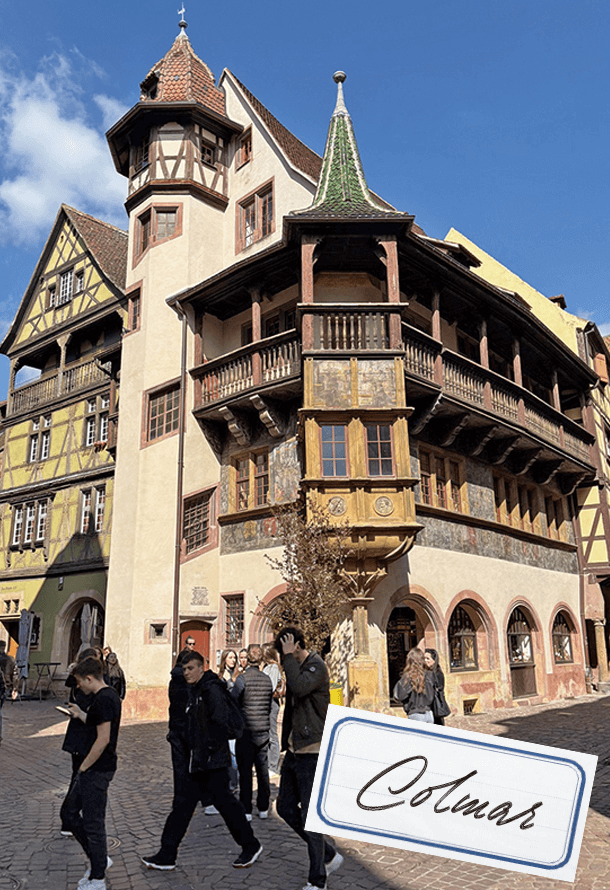
スタジオジブリ『ハウルの動く城』で
描かれた「プフィスタの家」
The 'Pfister House' depicted in Studio Ghibli's Howl's Moving Castle. -
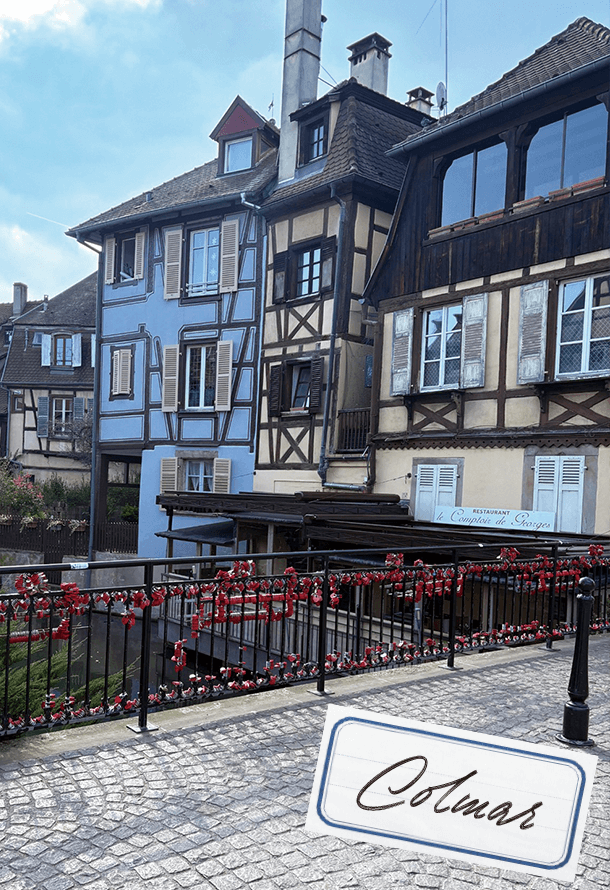
コルマールのプティット・ヴニーズ
Petite Venise in Colmar.
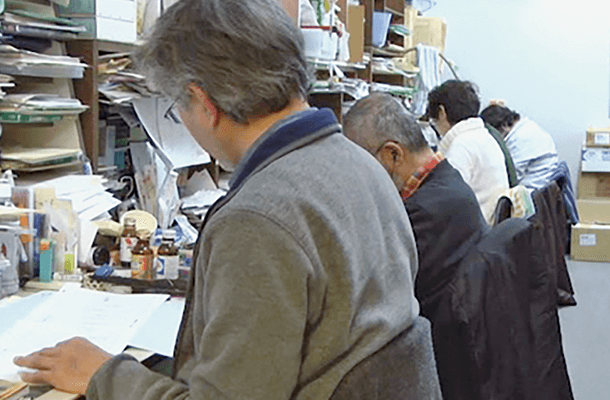
ベテランと若手が机を並べるアニメーターの仕事場(2016年3月、雪村教授撮影)
Animators' studio: seasoned professionals and young artists (March 2016, photo by Prof. Yukimura).