- 2026年度
- 2025年度
- 2024年度
- 2023年度
- 2022年度
- 2021年度
- 2020年度
- 2019年度
- 2018年度
- 2017年度
- 2016年度
- 2015年度
- 2014年度
- 2013年度
- 2012年度
- 2011年度
- 2010年度
- 2009年度
10/28(水)マレーシアのトレンガヌ大学と"KU-UMT Global Classroom 2026"を実施しました
【日本語】
関西大学とマレーシア・トレンガヌ大学(UMT)がオンライン国際交流授業を実施 ― 異文化間コミュニケーションを通じて安全・安心な社会を考える ―
2026年10月28日、関西大学社会安全学部は、マレーシアのトレンガヌ大学(Universiti Malaysia Terengganu:UMT)と連携し、オンライン国際交流授業「KU-UMT Global Classroom 2026」を実施しました。本授業には、関西大学から約22名、UMTから約20名の学生がグループ活動に参加したほか、UMTの学生がオブザーバーとして参加しました。両大学の学生は、異なる文化や言語を持つ人々とのコミュニケーションが、より安全で誰もが安心して暮らせる社会づくりにどのようにつながるのかを考えました。
本授業は、社会安全学部の英語開講科目「Special Lecture: Societal Safety Studies in English」の一環として、「Communicating Across Cultures: For Safer and More Inclusive Communities(異文化間コミュニケーションを通じて、より安全で誰もが参加しやすい社会を考える)」をテーマに開催されました。学生たちは、それぞれの大学のキャンパスにいながら海外の学生と直接交流し、日本とマレーシアの日常生活における経験を共有するとともに、社会安全に関わる身近な課題について一緒に考える機会を得ました。
プログラムは、社会安全学部副学部長の元吉忠寛教授による事前収録の歓迎メッセージと、UMT海洋工学技術学部の環境技術学士(優等)課程責任者であるNazaitulshila Binti Rasit准教授による歓迎の挨拶で始まりました。その後、学生たちはアイスブレイクを行い、少人数のグループディスカッションに移りました。
メイン活動「Lost Together: Stay, Move, or Check?」では、両大学の学生が混合の5グループに分かれ、「海外の駅で、理解できない言語のアナウンスを聞いたらどうするか」という場面を想定して話し合いました。日本とマレーシアでの経験をもとに、信頼できる情報をどのように確認するか、外国人旅行者がどのような点で戸惑う可能性があるか、また、情報をより分かりやすく伝えるにはどうすればよいかについて意見を交換しました。
各グループからは、多言語による案内表示、公式ウェブサイトやアプリの活用、スマートフォンの翻訳機能など、実践的なアイデアが発表されました。こうした話し合いを通じて、学生たちは、地域の人々にとって当たり前で分かりやすい情報であっても、異なる文化的・言語的背景を持つ人々には必ずしも伝わりやすいとは限らないことについて考えました。
また、今回の交流は、コミュニケーションと安全について学ぶだけでなく、英語でのコミュニケーションに対する自信の程度にかかわらず、海外の学生と意見を交わし、異なる視点に耳を傾けながら協働する機会にもなりました。互いの経験から学び合い、共通の課題に一緒に取り組むことを大切にした活動となりました。
授業後のアンケートでは、グループ活動の参加者とオブザーバーを含む67名から回答が寄せられ、94%が今回の交流を5段階評価で「4」または「5」と評価しました。また、今後の同様の国際オンライン交流への参加について、58%が「参加したい」、37%が「参加するかもしれない」と回答し、継続的な交流への関心が示されました。
本プログラムは、関西大学のナフィサ・イスマイル特別任命准教授とUMTのDina Azleema Binti Mohamed Nor博士を中心に、両大学の教職員の協力のもと企画・運営されました。また、授業終了後も学生同士が交流を続けられるよう、オンライン交流スペース「KU × UMT Friendship Café」を設け、日常的なコミュニケーションや文化交流の機会を提供しています。
社会安全学部では、今後も海外大学との連携や授業内での国際交流を通じて、多文化共修(MCL)の機会を広げていきます。異なる文化的背景や価値観を持つ学生同士が互いに学び合い、協働しながら、より安全で誰もが安心して暮らせる社会の実現に向けて考える学びを推進していきます。
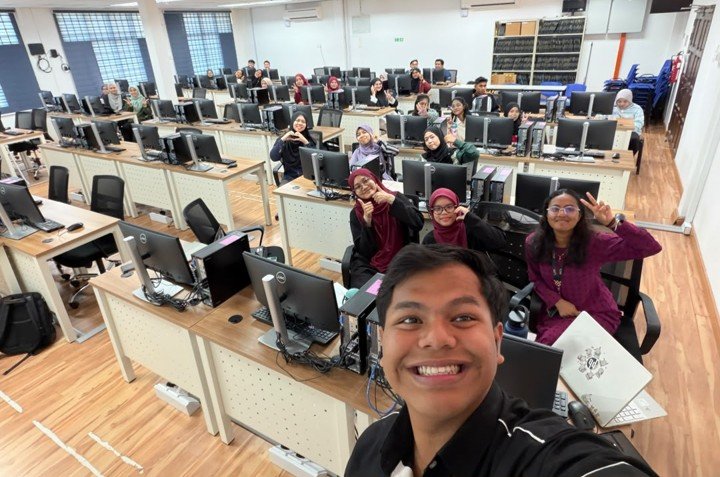
図1. マレーシアからKU-UMT Global Classroomに参加したUMTの学生たち/Fig. 1. UMT students participating in the KU-UMT Global Classroom from Malaysia
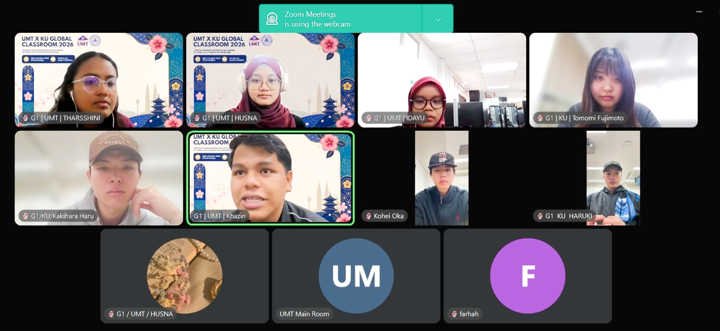
図2. ブレイクアウトルームで意見を交換する関西大学とUMTの学生たち/Fig. 2. Students from Kansai University and UMT exchanging ideas during a mixed-group online discussion
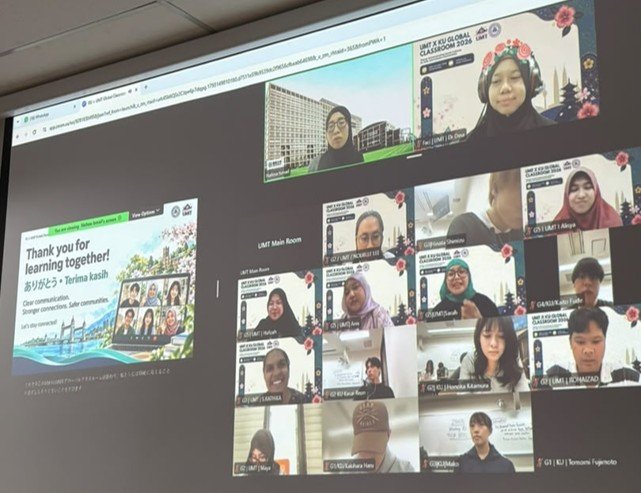
図3. 日本とマレーシアの参加者をオンラインでつないだKU-UMT Global Classroomの閉会の様子/Fig. 3. The closing session of the KU-UMT Global Classroom, connecting participants from Japan and Malaysia
【English】
Kansai University (KU) and Universiti Malaysia Terengganu (UMT) Hold Joint Global Classroom on Cross-Cultural Communication and Community Safety
On 28 October 2026, the Faculty of Societal Safety Sciences (FSS) at Kansai University (KU) held the KU-UMT Global Classroom 2026 in collaboration with Universiti Malaysia Terengganu (UMT), Malaysia. The online exchange brought together approximately 22 students from KU and 20 from UMT for collaborative learning activities, with additional UMT students joining as observers. Together, they explored how cross-cultural communication can help build safer, more inclusive communities.
Organised as part of the English-taught course Special Lecture: Societal Safety Studies in English, the session was held under the theme "Communicating Across Cultures: For Safer and More Inclusive Communities." It gave students a chance to engage directly with peers overseas, share everyday experiences from Japan and Malaysia, and explore a shared societal safety challenge without leaving their campuses.
The programme opened with a prerecorded welcome message from Professor Tadahiro Motoyoshi, Vice Dean of FSS, followed by welcoming remarks from Associate Professor Dr Nazaitulshila Binti Rasit, Head of the Bachelor of Technology (Environmental) with Honours Programme at UMT's Faculty of Ocean Engineering Technology. Students then participated in an icebreaker before moving into small-group discussions.
During the main activity, "Lost Together: Stay, Move, or Check?", students worked in five mixed groups to explore a scenario in which visitors at a railway station in another country could not understand an announcement. Drawing on their experiences in Japan and Malaysia, they discussed how to identify reliable information, what might confuse visitors, and how to make communication clearer and more accessible.
Each group presented practical suggestions, including multilingual signage, official information websites, mobile applications, and smartphone translation tools. Through these discussions, students considered how information that seems clear to local residents may be difficult for visitors from different cultural or linguistic backgrounds to understand.
Beyond exploring communication and safety, the exchange gave students a chance to share ideas, hear different perspectives, and collaborate with international peers, regardless of their confidence in using English. The emphasis was on learning from one another and working together to address a common challenge.
Post-session feedback was encouraging. Among 67 survey respondents, including participants and observers, 94% rated the experience 4 or 5 out of 5. The survey also indicated interest in future exchanges, with 58% expressing interest in participating again and another 37% considering it.
Dr Nafesa Ismail of KU and Dr Dina Azleema Binti Mohamed Nor of UMT jointly organised the programme, with support from colleagues at both universities. To encourage continued interaction beyond the session, students were also invited to connect through the KU × UMT Friendship Café, an online space for informal communication and cultural exchange.
Through international partnerships and classroom-based exchanges such as this, the Faculty of Societal Safety Sciences aims to expand opportunities for multicultural collaborative learning (MCL), enabling students to learn from diverse perspectives and work together towards safer and more inclusive communities.