- 2026年度
- 2025年度
- 2024年度
- 2023年度
- 2022年度
- 2021年度
- 2020年度
- 2019年度
- 2018年度
- 2017年度
- 2016年度
- 2015年度
- 2014年度
- 2013年度
- 2012年度
- 2011年度
- 2010年度
- 2009年度
10/21(水)「英語で学ぶ社会安全学」にてFreeda Jane Madius氏によるゲスト講義を実施しました
【日本語】
マレーシア・サバ州から日本へ―多文化の視点から公共空間の安全を考える
普段は安全だと感じる場所も、災害時には安全なのでしょうか。また、「安全」の捉え方は、国や人によって同じなのでしょうか。
2026年10月21日(水)、関西大学社会安全学部の「英語で学ぶ社会安全学」において、こうした問いをテーマにゲスト講義を実施しました。今回は、マレーシア・サバ州出身のFreeda Jane Madius氏をお迎えし、専門的な知識と国際的な経験をもとにお話しいただきました。
Freeda氏は、イタリアとイギリスで建築学・建築デザインを学び、建築設計や研究マネジメントの実務経験を有しています。現在は京都大学大学院工学研究科の博士課程に在籍し、同大学防災研究所(DPRI)で研究に取り組んでいます。
講義では、「Travelling through Public Spaces and Everyday Safety: A Journey from Sabah to Japan」と題し、マレーシア、イタリア、イギリス、日本での経験をもとに、国や地域によって異なる公共空間の安全について紹介しました。観光地などでの防犯上の課題、混雑する公共交通機関、歩行者が利用しやすい道路環境など、身近な事例を通じて、安全のあり方が社会環境やインフラ、人々のニーズによって異なることを学びました。
また、講義では日常生活の安全だけでなく、災害時の安全についても考えました。普段何気なく利用している場所や交通インフラが、災害時には思いがけない危険を伴う可能性があることを知り、学生たちは日常の「安全」を改めて見つめ直しました。
講義後には、学生たちがグループに分かれ、映画館や飲食店、娯楽施設など、身近な場所で災害が発生した場合を想定した活動に取り組みました。起こり得る危険や適切な対応、より安全な環境にするための改善策について意見を出し合い、講義で得た国際的な視点を自分たちの日常生活と結び付けて考えました。
今回の授業は、多文化共修(MCL:Multicultural Collaborative Learning)の考え方を取り入れた教育実践の一つです。「英語で学ぶ社会安全学」では、さまざまな国や地域の経験、実社会の事例、学生同士の対話を通じて、これまで当たり前だと思っていたことを問い直し、多様な人々の立場から社会の安全を考える学びを大切にしています。
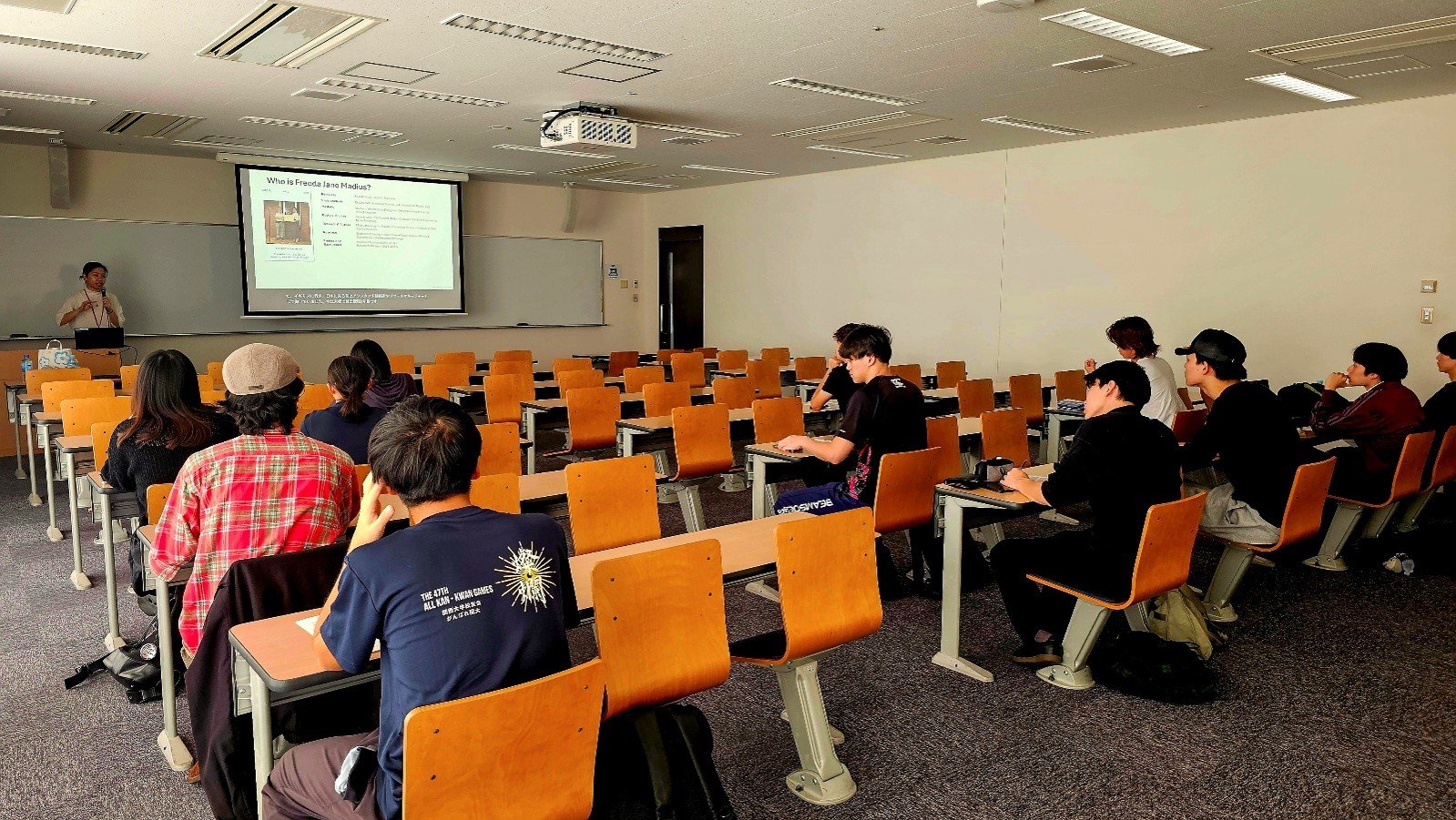
図1. 公共空間の安全について講義するMadius氏/Fig 1. Ms Madius delivering a guest lecture on public safety.
【English】
From Sabah to Japan: Rethinking Public Safety Across Cultures
Is a place that feels safe in everyday life still safe during a disaster? And does safety mean the same thing to everyone?
These questions were at the heart of a guest lecture held on 21 October 2026 in Societal Safety Studies in English at Kansai University's Faculty of Societal Safety Sciences. The class welcomed Ms Freeda Jane Madius, originally from Sabah, Malaysia, to share her professional knowledge and international experiences.
Ms Madius studied architectural science and design in Italy and the United Kingdom and previously worked as an assistant architect and research manager. She is currently pursuing her PhD at Kyoto University's Graduate School of Engineering and is affiliated with its Disaster Prevention Research Institute (DPRI).
In her lecture, Travelling through Public Spaces and Everyday Safety: A Journey from Sabah to Japan, Ms Madius explored how people experience safety differently across Malaysia, Italy, the United Kingdom and Japan. From personal security concerns in busy public spaces to crowded transport systems and accessible pedestrian routes, her examples illustrated how safety is shaped by infrastructure, social environments and individual needs.
The discussion also extended beyond everyday life to consider how familiar places and infrastructure may become hazardous during emergencies. Students were encouraged to look beyond what appears safe under normal circumstances and consider the different challenges people may face during disasters.
Putting these ideas into practice, students worked in groups to examine disaster scenarios in familiar settings, such as cinemas, restaurants and entertainment venues. They identified potential risks, discussed appropriate responses and proposed practical ways to make these spaces safer. Their discussions and individual reflections connected the international perspectives introduced in the lecture with situations they might encounter in their own lives.
The session reflects the course's efforts to incorporate perspectives aligned with Multicultural Collaborative Learning (MCL), creating opportunities for students to encounter different experiences and ways of thinking. Through international perspectives, real-world examples and collaborative activities, Societal Safety Studies in English encourages students to question familiar assumptions and explore what safety means for different people and communities.