- 2026年度
- 2025年度
- 2024年度
- 2023年度
- 2022年度
- 2021年度
- 2020年度
- 2019年度
- 2018年度
- 2017年度
- 2016年度
- 2015年度
- 2014年度
- 2013年度
- 2012年度
- 2011年度
- 2010年度
- 2009年度
多文化共修を通して学ぶ災害時のコミュニケーション―「リスクと災害の社会学」で多文化共修(MCL)を実施―
【日本語】
2026年7月8日、社会安全学部開講科目「リスクと災害の社会学」において、多文化共修( Multicultural Collaborative Learning:MCL)の授業を実施しました。本授業には、本学の短期受入留学プログラムに参加している留学生も参加し、社会安全学部の学生とともに学びました。
今回の授業では、「異なる言語や文化、経験を持つ人々が、災害時にどのように効果的なコミュニケーションを行うことができるのか」という問いをテーマに設定しました。学生たちは、多文化・多言語のメンバーで構成されたグループで、避難行動、情報伝達、アクセシビリティ、誤情報、要配慮者への支援など、実際の災害を想定したシナリオについて意見を交換しました。議論を通じて、コミュニケーション、信頼、共感、文化的背景が災害時の人々の行動や経験にどのような影響を与えるのかについて考えを深めました。
本活動は、英語でのコミュニケーションを実践することだけを目的としたものではありません。学生同士が互いの経験や価値観を共有しながら、災害を社会学的な視点から考察することを目的としています。多くの社会安全学部生にとって、海外からの学生と英語で災害について議論することは初めての経験となり、異なる文化的背景を持つ学生との対話を通して、新たな視点に触れる貴重な機会となりました。
授業後に実施したアンケートでは、多くの学生が「災害時のコミュニケーションは、同じ言語を話すことだけでは成り立たない」ことへの理解を深めたと回答しました。また、文化や言語が異なれば、同じ災害であっても人々の経験や必要とする支援は異なることに気付いたという声も多く寄せられました。
学生からは、「良いコミュニケーションとは、話すことだけでなく、相手の話を聞くことでもある」「公平な支援とは、全員に同じことをすることではなく、それぞれに必要な支援を行うことである」といった感想も寄せられました。これらの声は、多文化共修を通じて、コミュニケーションやインクルージョン、社会安全についての理解が深まったことを示しています。
今回の授業は、多文化共修が災害教育をより実践的で学びの深いものにする可能性を示す機会となりました。異なる文化的背景を持つ学生同士が学び合うことで、災害そのものだけではなく、コミュニケーション、文化、多様性、そして包摂性が安全・安心な社会づくりに果たす役割について理解を深めることができました。
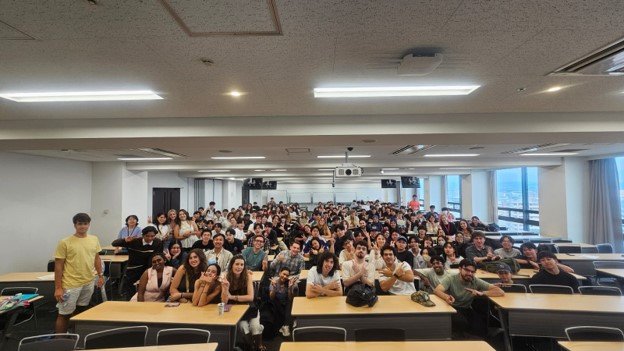
社会安全学部生と留学生が、多文化共修(MCL)の授業で災害時のコミュニケーションと社会安全について学びました。/ FSS students and visiting students participated in a Multicultural Collaborative Learning session on disaster communication and societal safety.
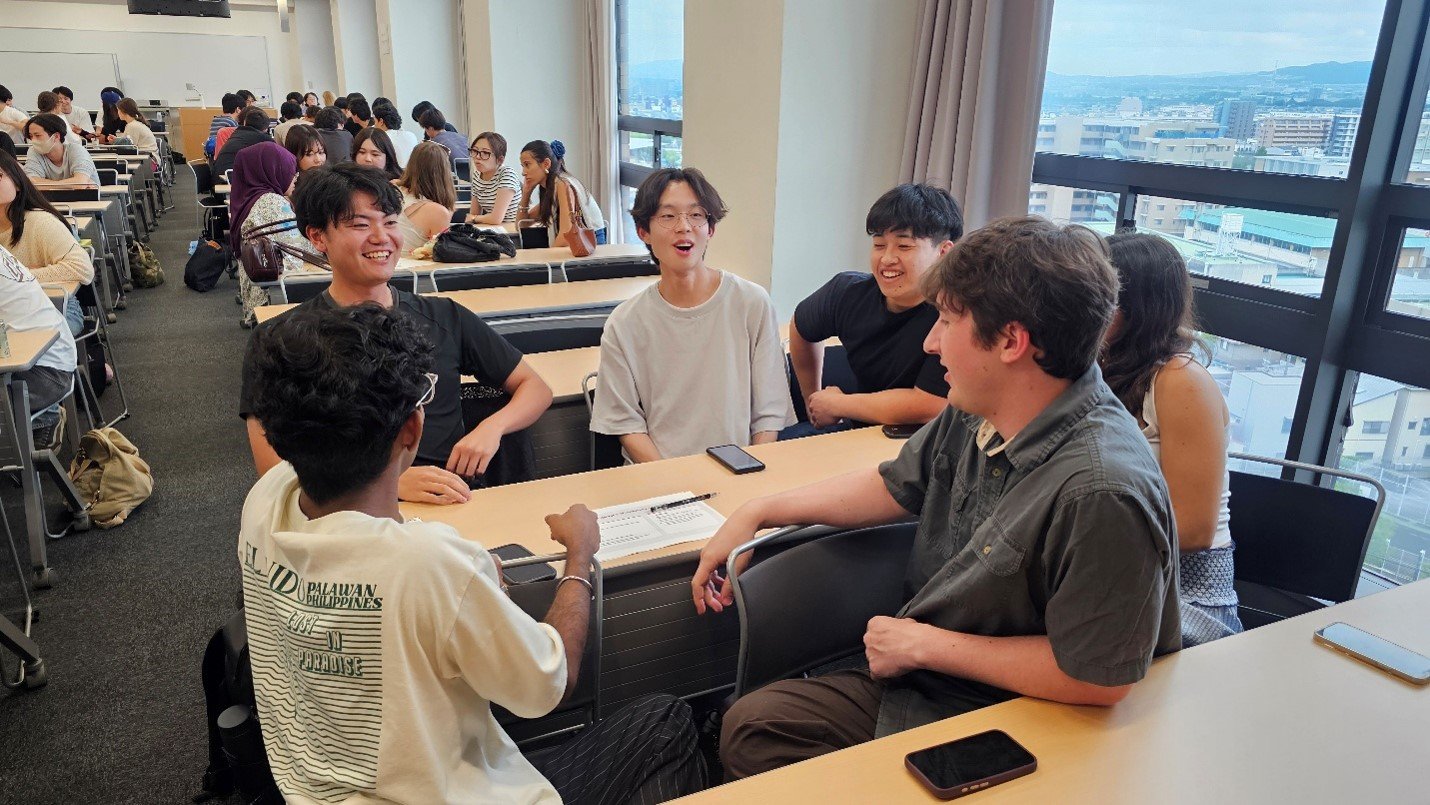
多文化グループで災害時のコミュニケーションに関するシナリオについて意見を交換する学生たち。/ Students exchanged perspectives in multicultural groups while analysing disaster communication scenarios.
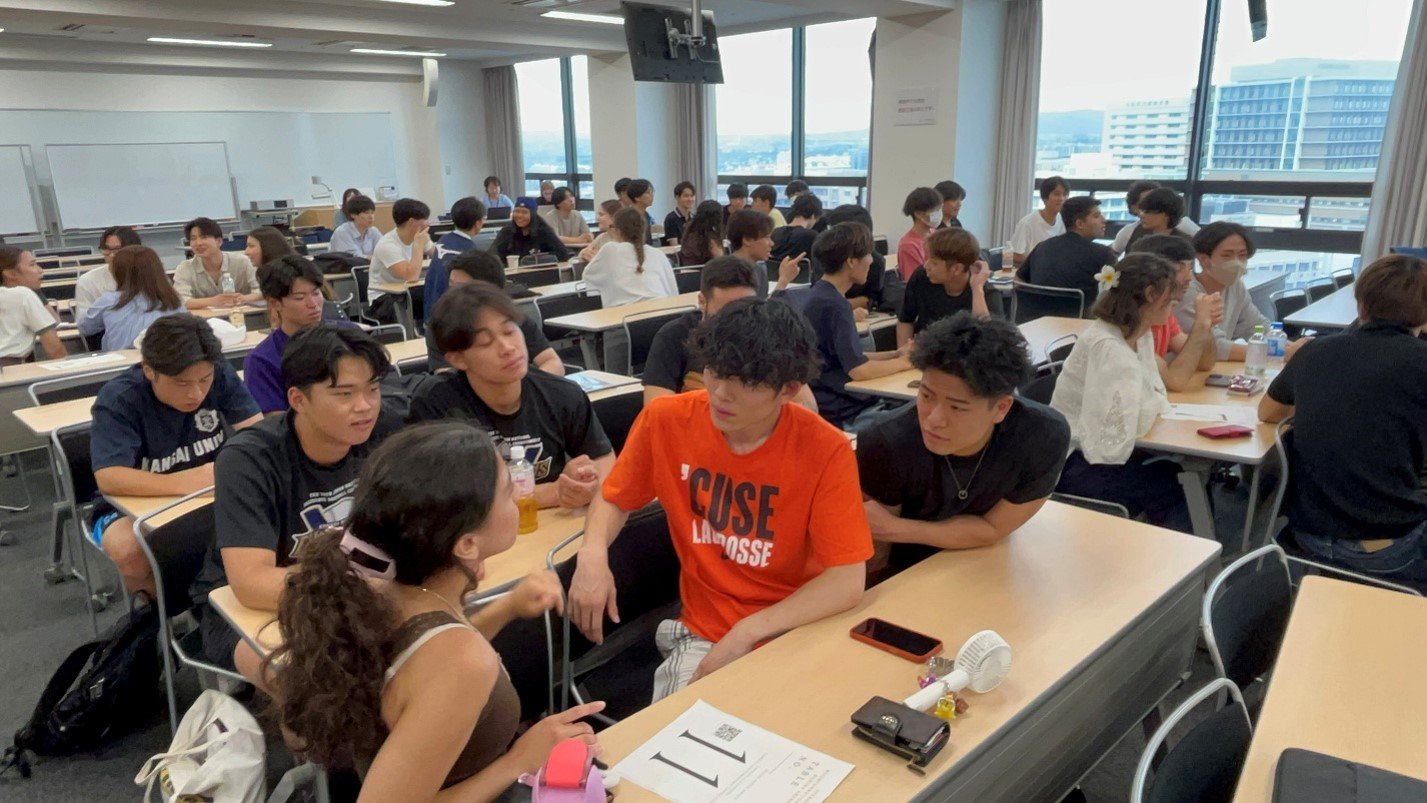
グループディスカッションを通じて、災害時におけるコミュニケーション、文化、インクルージョンの重要性について考えを深めました。/ Collaborative discussions encouraged students to consider the roles of communication, culture, and inclusion in disaster contexts.
【English】
On 8 July 2026, students enrolled in the Faculty of Societal Safety Sciences (FSS) course ''Sociology of Risk and Disaster'' participated in a Multicultural Collaborative Learning (MCL) session together with visiting students from Kansai University's international short-term programmes.
The session brought together FSS students and visiting students representing universities from different countries and regions to explore one important question: "How can people communicate effectively during disasters when people have different languages, cultures, and experiences?"
Working in intentionally designed multicultural groups, students collaborated with peers from different cultural and linguistic backgrounds as they discussed realistic disaster scenarios involving evacuation, communication barriers, accessibility, misinformation, and support for vulnerable people. Through these discussions, they explored how communication, trust, empathy, and cultural understanding influence people's experiences during disasters and contribute to more inclusive disaster response.
Rather than only practising English, the activity encouraged students to apply sociological perspectives to real-world disaster situations while learning directly from one another. For many FSS students, it was their first opportunity to discuss disaster-related issues with international peers in English, providing a valuable opportunity to step outside their comfort zones and engage with different viewpoints in a supportive learning environment.
Student feedback indicated that many participants developed a deeper appreciation that effective disaster communication extends beyond speaking the same language. Many also recognised that people from different cultural and linguistic backgrounds may experience the same disaster differently and require different forms of support.
Students' reflections captured these learning experiences well. One participant commented, "Good communication is not only about speaking but also about listening." Another wrote, "Fair support means giving people what they need, not just the same things to everyone." These reflections illustrate how students connected intercultural dialogue with broader concepts of communication, inclusion, and societal safety explored throughout the course.
This session demonstrated how Multicultural Collaborative Learning can enrich disaster education by creating authentic opportunities for students to learn with and from people from different cultural backgrounds. By experiencing different perspectives firsthand, students were encouraged to think beyond the hazard itself and recognise the important roles that communication, culture, and inclusion play in building safer and more resilient communities.